Author Archives: lydias

About lydias

I'm a sci-fi writer who loves lifting weights and hates eating Brussels sprouts.

6 Ways to Stay Active While Travelling

Happy Thanksgiving to all of my American readers! If any of my readers will be travelling anywhere soon, I hope you have a safe journey.

One of the tricky parts of travelling is figuring out how to adapt your daily routine to all of the new experiences that come with visiting another place.

Between spending hours in airport or bus terminals while waiting for the next leg of the trip to begin and adjusting to a new climate, culture, or time zone, it can be challenging to stick to a fitness routine.

This post is going to talk about how to squeeze activity into whatever kind of trip you may have planned for the future.

Take Advantage of Dead Time

A year and a half ago, my spouse and I travelled to California for a beach vacation and extended family reunion. We couldn’t get a nonstop flight to our destination, so we ended up needing to book a layover. Our first flight took off first thing in the morning, and the second one wasn’t scheduled until the evening. What this meant was that we had several hours of dead time in the middle of the day while waiting for our connecting flight.

It wasn’t enough time to go out and explore the city where our first plane landed, so I walked laps in the airport instead. It wasn’t a challenging workout by any means, but it did allow me to stretch my legs and increase my step count while waiting for the next stage in our journey to begin.

Walking around can also be a more interesting way to pass the time than sitting for hours in the waiting room before you sit for even longer while on the train or bus.

Use the Hotel Gym or Pool

Checking out the hotel gym is a fantastic way to try out new equipment. You might discover that you like running on treadmills or that you prefer free weights to using a cable bicep bar. Alternatively, you might love gym machines and not find treadmills helpful at all. The only way to know is to try them out for yourself.

To give another example of why you should take advantage of these amenities, I love to go swimming. If my apartment building had a pool, I’d practically be a mermaid. You’d better believe that I spend as much time as I can swimming whenever my spouse and I stay somewhere that has one.  I’m not a huge fan of travelling in general, but this is definitely one of the perks of it.

Practice Body Weight Exercises

Body weight exercises don’t require any special equipment. Most of them are easy to memorize, and they can be done in your hotel room or in another small space as well. Due to all three of these benefits, I can’t recommend them highly enough if you’re looking to include some strength training sessions in your routine while you’re away from home.

Some of the exercises in the link above are already part of my strength training routine. The next time I go somewhere far from home, I’m looking forward to creating a hotel-friendly workout that can be done using only my own body as resistance.

Pick Active Entertainment

You don’t have to go to the gym to improve your fitness. There are so many other ways to exercise, and many of them can be valuable forms of entertainment in and of themselves.

Several years ago, I went hiking with my youngest brother and some other relatives while on a family vacation. He was a much more experienced hiker than I was, so we picked one of the easier trails and started walking.

There were many things I loved about that trip, but that hike remains one of my favourite memories from that time period. It had been ages since I’d been surrounded by mountains, and even longer since I’d hiked around in them.

We noticed a few subtle signs of the animals who lived there, from holes in the ground where snakes lived to the sound of birds singing in the bushes. While we weren’t actually that far away from the road, I was slightly surprised by how quiet the world is when you can’t hear any cars driving by or people having conversations just out of earshot. It was an incredibly peaceful experience.

Spending time with my brother was also a blast that day. We’re two of the quietest people in the family, so I relished the chance to listen to whatever he had to say while we hiked.

Playing Counts, Too

One of the things I like the most about visiting my other brother and his family is all of the playtime that happens with them. It’s not limited to the kids, either!

From playing catch with my oldest nephew to going swimming with everyone, we found so many active ways to spend time together that I didn’t bother doing a formal workout on those days.

Running around with them was all the exercise any of us needed. Now that my nephew is a proud big brother, our family reunions are only going to be more active and playful in the future.

Do the Best You Can

I’m going to be completely honest with you here. My workouts vary quite a bit when I’m travelling, and I don’t always meet my fitness goals. Some days could be full of more activity than I’d typically do back home, but others are more sedentary due to the kinds of activities the extended family chose for that particular day.

Vacations are a time to relax in whatever way you see fit. Don’t worry if working out doesn’t fit into your plans for a particularly busy day. Missing one session isn’t going to matter in the long run, especially if that short time away energizes you. I know I miss my workouts when I’m not able to squeeze them in. The longer I go without them, the stronger my urge becomes to get back into old, familiar routines again.
Comments Off on 6 Ways to Stay Active While Travelling

Filed under Fitness

Maintaining a Low-Sugar Diet Through the Holidays

Last August, I began seriously cutting back on how much added sugar I ate after a friend mentioned all of the positive changes she’d seen from doing that.

Not only did I lose a few pounds unexpectedly, my skin became clearer and I have more energy now than I did last summer. My early afternoon energy slump has ended, and I don’t crave sugary snacks the same way I used to. Cutting back has brought so many positive changes to my life that I’m planning to stick with it.

Is my diet 100% added-sugar-free now? No, it isn’t. I have occasional treats, and I know there is still a little bit of added sugar in some of the food I buy like spaghetti sauce. At this point, I’m not interested in completely eliminating every source of added sugar from my diet.

Going 100% sugar-free would require me to cook and bake stuff that I’ve rarely if ever made purely from scratch, from bread to homemade spaghetti sauce. Maybe someday I’ll want to give this a try, but for now I’m happy with the way things are.

It is going to be interesting to see how this low-sugar diet affects me over the next few months in a few different areas, though.

Changing Tastebuds

The funny thing about switching to a low-sugar diet is that it changes your perception of how sweet something is and how much of it you want to eat.

Fruit and carrots taste much sweeter than they used to taste. They’re almost becoming a new version of candy to me because of how sugary and flavourful they are.

To give another example, I bought a pie for Canadian Thanksgiving last month thinking it would be a special treat after spending two months watching what I ate so carefully. While it did taste good, it was so sweet that I didn’t want much of it at all. The savoury dishes my spouse and I had that weekend were much more enjoyable, so I suspect I won’t bother buying or making a dessert for Christmas.

What will Christmas season treats be like in general this year?

Well, there is a flavour of speciality herbal tea I’ve already stocked up on for the winter. It happens to be a sugar-free variety that tastes so wonderful I’ve never felt the need to add anything sweet to it. It’s delicious just the way it is.

I might buy a couple of bars of dairy-free chocolate for the winter if or when I notice interesting flavours at my local grocery store. I also expect to eat them much more slowly than I did in the past. If carrots taste almost like candy to me, dark chocolate might not taste bitter at all anymore.

Fewer Treats

So far, I’m not stocking up on dairy-free Christmas treats like I’ve done in the past. I bought Halloween candy last month, and I still have plenty of it left to nibble on here and there.

Having a lot of sugary treats in the house also make it harder to stick to a low-sugar diet. There is something about having to bundle up and walk to the store that discourages me from actually doing that most of the time when I have a sudden urge to eat something decadent.

I’m not saying I won’t buy anything sugary this holiday season. Grocery stores often sell delicious holiday-themed candies and chocolates this time of the year, and I’m not opposed to trying one or two of them if any of them are dairy-free as I mentioned earlier.

The difference will be in how many I buy and how often I eat them. Some of my Halloween candy actually got stale a few weeks ago because I was eating it so slowly. That’s never happened to me before, but I like the fact that I can be satisfied by much smaller and less frequent portions of sweets these days.

Holiday Sicknesses

My final prediction for the holiday season has to do with getting sick.

Every Christmas I used to eat far more sweets than normal because they were sold everywhere and it always made me so happy to find a few of them that were safe for me. On or soon after Christmas, I’d come down with a cold or other mild illness.

Obviously, the sugar itself didn’t cause me to get sick. Late December is prime time for all sorts of respiratory illnesses to get passed around as people meet up for celebrations and spend much of their free time indoors in crowded places in general. I’m sure that most of the blame for my annual Christmas cold can be placed on all of the germs that thrive during that part of the year.

I have read, though, that sugar can curb your immune system just enough that a germ you might have normally been able to fight off is able to make you sick.

It will be interesting to see if this pattern repeats itself now that I’m eating sugar far more sparingly.

Go Low-Sugar with Me

If you’ve been thinking about adopting a low- or no-sugar diet, now is the perfect time to start.

It only took a couple of weeks for my tastebuds to begin adjusting, and I didn’t take a cold-turkey approach to this dietary change. It can be as simple as putting one teaspoon of sugar into your morning coffee instead of two.

Small changes can make a big difference over the long haul. Don’t think of this as temporary experiment. Make it a permanent lifestyle change, but go as slowly as you need to in order for every tweak to your habits to stick. They build on each other, especially once your tastebuds become more sensitive and fruit begins to taste sweeter than it did in the past.

The more tweaks you make to what you eat and how often you eat it, the easier it will be to stick to the next small change as well.

Comments Off on Maintaining a Low-Sugar Diet Through the Holidays

Filed under Uncategorised

Suggestion Saturday: November 18, 2017

Here is this week’s list of blog posts, comic strips, short stories, and other links from my favourite corners of the web.

How the Horrific 1918 Flu Spread Across America. This is what our ancestors were dealing with nearly a century ago. I’ve read that this epidemic killed more people than World War I itself. It surprised me as a kid that, to the best of our knowledge, none of my ancestors lost any family members or good friends to it. Many people weren’t so lucky a hundred years ago.

Coping with Tinnitus or Hearing Loss Over the Holidays via tinnitustoolbox. Whether you’re personally dealing with hearing loss or care about someone who is, these tips are wonderful.

Five Star Trek Technologies Taken to their Natural Conclusion via mythcreants. It’s nice to be reminded about Star Trek episodes that I’d half-forgotten about, especially when their writers didn’t fully think through how certain inventions would actually change a society.

Coming Out for the Holidays. This is fabulous advice for the upcoming holiday season.

Winter Fashion – Expectation vs. Reality. With winter just around the corner, this is going to be very true soon.

Top 10 Ways to Prepare for a Canadian Winter via ‪andre1begin‬. There was a lot of good advice here.

From Untilted:

Firstly, my name is Marcus.

Grandma sumtimes calls me Marcy. Marcy is a girls name.

I should make her stop caling me by a girls name. But I cant. She washed my soiled diapers when I was litle. She didnt sleep nites. She personaly received me from the stork. She pulled me from the cabbage patch. She did loads of other stuff for me too.

Comments Off on Suggestion Saturday: November 18, 2017

Filed under Suggestion Saturday

Why It’s Okay to Take Breaks From Science Fiction and Fantasy

I have a confession to share with all of you. I’ve barely read any science fiction and fantasy books recently.

Since I’m a sci-fi writer and a longtime fan of these genres, I’m regularly immersed in thoughts about wizards, robots, aliens, spaceships, science experiments gone wrong, and all of the other tropes you can expect to find in them.

Science fiction and fantasy ideas show up in my dreams, tweets, and random conversations with my spouse, family, and friends.

Most of the time, I love living this way. I’ve read so many different series velw that I can quickly pick out how certain contemporary writers were influenced by tales that were published decades or centuries ago. One of the things I like to do when I’m standing in line or waiting for something is to try to pick out similarities between various universes that I hadn’t thought of yet.

Some authors take careful note of usual patterns in these genres only to figure out how to disrupt them at a critical part of the storyline. It takes a thorough understanding of how science fiction and fantasy stories typically play out to bend the audience’s expectations of how an adventure should end or how a hero is supposed to behave without alienating your readers.

My favourite storytellers are the ones like Douglas Adams who tiptoe across this line perfectly from the first scene to the last one.

With that being said, there can be a lot of repetition in any genre after you’ve spend many years exploring it. I know some people who truly enjoy the familiarity that comes with diving so deeply into this subject, and I completely understand where they’re coming from even though I don’t always feel the same way.

You see, spending time reading other types of stories only reinforces my love for science fiction and fantasy.

Taking Breaks Is a Good Thing

The nice thing about wandering between genres is that it gives the reader a chance to try something completely new. The romance and horror genres might both write about an abandoned graveyard, but the ways they used that setting would be nothing alike.* but  A thriller’s approach to a herd of runaway horses threatening to trample the main character would also be nothing like how a traditional western would solve that problem.

To give another example, a few years ago I began reading mysteries because I was curious about that kind of storytelling and hadn’t read much of it in the past. Needing to pay attention to every little detail of the plot in order to figure out who the murderer was as soon as possible changed the way I approached other genres. If you assume every odd detail might be important later on, it’s much easier to predict how a story will go when the author drops hints about future plot twists.

I also never would have guessed there would be so much crossover between mystery and science fiction, but to my surprise I found a lot of books that couldn’t be easily pinned into either category. This isn’t something I would have ever figured out if I’d stuck to a steady diet of pure science fiction and fantasy.

Lately, I’ve been reading a lot of young adult and non-fiction books. The young adult genre reminds me of what it felt like to be a child or teenager. Most of the non-fiction books I read are about history or science which are two topics that can be very useful for educational reasons as well as for eventually coming up with new ideas for my own stories. The longer I spend in these other genres, the more I begin to miss the ones I read most often.

The good news is that the science fiction and fantasy landscape is gigantic. My to-read list is still incredibly long, and it includes still includes a decent number of famous authors I’ve been curious to try but haven’t gotten around to yet.  It will be nice to chip away at this list once my break has ended. I’m already beginning to feel the first stirring of interest in magic and technology, so I suspect I’ll jump back into my regular routine soon.

*I have accidentally stumbled across one or two romantic horror tales in the past, though, so in those rare cases it would depend on whether the characters were preparing to fall in love or fight monsters.

How often – if ever – do you take breaks from reading your favourite genres?

Comments Off on Why It’s Okay to Take Breaks From Science Fiction and Fantasy

Filed under Science Fiction and Fantasy

How to Stay Relaxed in Crowded Places

Today’s topic comes from a search engine query that a new reader did recently that lead them to this site.

With the holidays rapidly approaching, I thought this would be a good thing to discuss as there will be plenty of crowded parties, shops, malls, group dinners, and other places and events in many of my readers’ not-too-distant future.

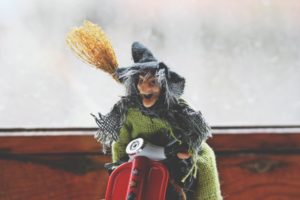
(Please don’t ask me to explain what’s going on in the photo on the right. I honestly don’t know. It fit the theme of this post nicely, though).

Like many folks, I’m not a huge fan of very crowded places. Large groups of people tend to be boisterous, and it bothers me to be surrounded by so much noise without being able to figure out what any of it is supposed to mean. Loud music is one thing, but hundreds of conversations all blurred together will never be something I enjoy.

I also find it draining to constantly need to weave my way through a crowd. Anatomically modern humans have done a lot of amazing things over the last 40,000 years, but figuring out how to efficiently herd thousands of people who are slowly meandering through the mall on a lazy Sunday afternoon is not one of them. Ha!

With that being said, there are occasions when you need to pick something up at the store during a peak shopping time or attend a holiday party. I have a few tricks for doing what I need to do on these days without spending an inordinate amount of time in a situation that I find unpleasant.

Arrive Before (or After) the Busiest Time

You might be surprised how quiet stores in Toronto can be even right before Christmas if you show up to them first thing and finish your shopping quickly. Many Torontonians don’t seem to begin running their errands until later in the day even when they only have a handful of shopping days left before a big holiday, so getting a head start on them is a great way to avoid the crowds.

This effect is only stronger in smaller communities. I spent a big chunk of my childhood living near or in a town of about 16,000 people, and the stores there barely had any customers in them at all for the first few hours after they opened up most mornings. It was the perfect time to browse peacefully or get help from the store employees.

I’ve also had similar luck when it comes to timing my arrival at parties. It’s simpler for me to get into the festive spirit of a party if I plan it so I arrive a little earlier or later than most of the other attendees. I like warming up to big groups gradually, and it’s easier to do that if I don’t spend the whole time surrounded by a huge crowd.

Have a Plan

One of the many lessons my mom taught me when I was growing up is that shopping requires a plan. Neither one of us are people who ever shop as a hobby or a way to kill time. If she needs to buy something, she adds it to a shopping list and tries to acquire it as efficiently and frugally as possible.

I have the same policy. There’s nothing wrong with replacing something when it wears out or buying something I expect to use regularly, but I do not dawdle during the process. If I can’t find what I need, I stop shopping and go do something fun. There will always be another day to try again.

Mom reads this blog, so she might be smiling by now at how much she affected me in this part of life. Her efficiency really rubbed off on me, though!

Stick to the Perimeter

I don’t know about you, but I prefer being on the edge of a crowd instead of in the centre of it. There’s something comforting to me about knowing that I could quietly slip out a side door if I needed a few minutes of peace and quiet before wandering back into the event or building. In fact, simply having this available to me as an option makes it unnecessary for me to take a breather from the crowd in many cases.

It’s also nice to see who you meet on the perimeter of a party. While I don’t have any scientific data to back this up, it’s been my experience that you’ll meet a lot of likeminded people on the edges. Folks who love the energy of a crowd and want to be the centre of attention tend to wiggle into the centre of the room and more-or-less stay there.

People who aren’t so enamoured with that experience tend to congregate on the perimeter. They’re exactly who I want to start a conversation with once I’ve figured out who they are. As much as I love watching the life of the party do his or her thing, it’s nice to find kindred spirits when I’m feeling a little overwhelmed or want to find my footing in a conversation.

Find a Distraction

This is where I’m going to appear to contradict myself. One of the best things about people who thrive in big crowds is that they can be incredibly entertaining if you’re looking for a distraction.
While I wouldn’t necessarily want to follow them around all day every day, I really appreciate it when they spontaneously start organizing a few rounds of karaoke at a party or amusing bored children with a game or story while sitting in a food court.

They have such a wildly different approach to large crowds that I can’t help but to be fascinated by how their minds work. Would they feel as out of place in a quiet room as I do in a loud one? I’d bet they just might!

If there aren’t any interesting people to observe, I’ve also distracted myself by spotting animals* or by counting the number of people who are wearing an article of clothing that’s a specific colour. There is always something to occupy your mind if you pay attention to everyone around you.

*This is Toronto, after all. Dogs are welcomed nearly everywhere. Sometimes you’ll see a cat, snake, rabbit, or parrot being carried around as well, and this doesn’t even begin to count all of the wild birds in this city who have been known to wander around on the subway, at the library, or in other indoor places.

Be Patient

Anything from walking to the other side of the room to getting a specific goal accomplished will almost certainly take longer than they would if you were in a less busy place.

Breathe. Remain mindful.

Don’t try to tamp down your thoughts. Lots of other people there probably feel a little irritated or overwhelmed as well. Even if you’re literally the only person in the room who feels this way, it is still much better to acknowledge those emotions than to hide them.

Be patient.

It will be okay.

Comments Off on How to Stay Relaxed in Crowded Places

Filed under Mindfulness and Meditation

Suggestion Saturday: November 11, 2017

Here is this week’s list of comic strips, poems, articles, and other links from my favourite corners of the web.

Harry Potter: How I Became a Fan 20 Years Later via ‪mandysantos‬. There’s something interesting about seeing how people react to pop culture events that they didn’t experience until years after the book, movie, etc. was released.

Amazing Fall Migrations. The last one was my favourite one.

10 Things to Consider Before Dating a Time Traveller via Blondewritemore‬. This made me grin.

My Chronic Pain Journey Before Surgery via ‪notebksglasses‬. I have a few friends who live with chronic pain. Blog posts like this one are helpful when it comes to understand what that sort of experience must be like without asking my friends a thousand questions about their health.

The Web Began Dying in 2014. Here’s How. Do you think there’s anything we can do to reverse this?

These Are the Things Restaurant Workers Wish You Knew. A lot of this is common sense, but it was still a good article.

From Democracy:

When you’re cold—November, the streets icy and everyone you pass
homeless, Goodwill coats and Hefty bags torn up to make ponchos—
someone is always at the pay phone, hunched over the receiver

Comments Off on Suggestion Saturday: November 11, 2017

Filed under Suggestion Saturday

Why Everyone Should Use a Pedometer

Lately, I’ve been thinking about some of the simplest lifestyle changes I made several years ago when I decided to take charge of my health and get into better shape. Getting into the habit of using a pedometer every day was at the top of that list.

My first pedometer was actually an app on my phone. That phone had to be in my pants pocket in order for it to count my steps back then. If I carried it or put it in my jacket pocket, my step count would rise much more slowly than was normal for me at the time.

I suspected it was a little inaccurate from the beginning, but I didn’t realize exactly how many steps it was missing until I upgraded to a new phone that included a more sensitive step counter in its operating system.

Suddenly, my final count at the end of the day jumped up by a few thousand steps even though my routine had stayed the same. Wow, was that a pleasant surprise! I ended up increasing my daily goal from 10,000 to 12,000 steps a day in order to continue challenging myself.

While my current pedometer seems to be much more accurate, I do sometimes wonder if it still misses steps. I now get about 14,000 of them in the average day, though, so I don’t worry about it as much as I would if I were using the older and more inaccurate model or consistently struggling to get more than a few thousand steps per day.

The nice thing about this piece of technology is that it doesn’t require perfection in order to give you a rough snapshot of how active you are and to encourage you to gradually increase your goals over time.

Every Little Bit Counts

When I first began paying attention to my step count, there were times when it seemed impossible to reach 10,000 steps without spending my entire day walking around. It took time to realize that this wasn’t true and that there were many ways to fit more activity into the habits I’d already formed.

The nice thing about having a pedometer is that you can see the results of even minor lifestyle changes very quickly.

For example, I now know that a walk around the block is good for adding about 500 steps to my step count. Ending a trip one subway stop sooner can add a thousand steps or more .

Even when I didn’t make my original goal every day in the beginning, I was still able to see my average step count rise for that week or month as I figured out how to squeeze a few more minutes of walking into whatever else I was doing that day. The more tricks I found, the more motivated I became to push my steps closer to the 10,000 mark and to make new goals once that one felt easy.

It’s a Great Source of Motivation

Speaking of motivation, I find it incredibly motivating to see how something as simple as taking an extra walk to run some errands could add a few hundred to a few thousand steps to my daily total without me feeling like I was doing anything that out of the ordinary at all. Small lifestyle changes like the ones I just mentioned add up over time.

Many fitness goals aren’t like this. For example, losing weight, reducing your body fat percentage, strengthening your muscles, and becoming more flexible are all goals that generally need to be pursued over the long term. You probably won’t see much improvement at all with them in the beginning.

As much as I’ve enjoyed seeing the results from my longterm goals, there is definitely something to be said for setting goals that you can reach in a month, a week, or even a single day as well.

I can’t double the weight of the dumbbells I lift in that amount of time, but I can commit to taking a walk or pacing around while I’m waiting for something to nudge my step count average up while also working on more difficult goals during other parts of the day.

Nearly Everyone Can Do It

Unlike many other forms of exercise, walking doesn’t require a gym membership, special equipment, or protective gear. The only thing you need other than a pair of comfortable walking shoes is a pedometer. I’ve seen pedometers for sale for as little as $5 to $10 each.

There are also options for people who can’t afford that expense or who want to try this idea out before buying one of their own. Many public libraries have developed programs that lend out pedometers to their patrons the same way they’d lend out a book or DVD.

The Toronto Public Library had one of these programs several years ago, and I believe they allowed people to keep the pedometers for up to two months at a time while they had it. I’d gotten ahold of my own step counter by the time I became aware of this program at my local branch, but it was a great way for people from any walk of life to get a snapshot of how active they were and decide if buying their own step counter was a good decision.

Pedometers Teach You How to Stop Needing Them

After you’ve used a pedometer for a while, you may very well develop an automatic sense of how active a day should be in order to reach your goals like I have.

For example, I now know that I need to spend about an hour a day walking around in order to make my step count goal. This time is virtually always broken up into smaller increments. Occasionally, it’s as brief as as a five minutes walk here and a ten minute walk there every hour or two until I’ve gotten my full 60 minutes of movement in for the day.

Other people have different goals, of course. I’m young and in decent shape, so my exercise routine may be too challenging for people who aren’t used to any sort of exercise at all. That same routine might be too easy for athletes in peak physical shape who are used to vigorous workouts instead.

While I continue to check my step count for the sheer joy of seeing what my numbers are looking like and as a reminder to keep encouraging myself to do a little more over time, I could stop using it and maintain my current routine without an issue.

To me, this is a sign of a worthwhile piece of equipment. Just like my muscles have outgrown lighter pairs of hand weights, my mind has learned to adapt to my new fitness routine. Any habit takes time to develop. The fact that my pedometer has done such an excellent job of teaching me how to intuitively know how much and how often I should be moving makes it something I’d wholeheartedly recommend to anyone reading this who is hoping to develop similarly strong habits.

Comments Off on Why Everyone Should Use a Pedometer

Filed under Fitness

A Spoiler-Free Review of Alias Grace

“When you are in the middle of a story it isn’t a story at all, but only a confusion; a dark roaring, a blindness, a wreckage of shattered glass and splintered wood; like a house in a whirlwind, or else a boat crushed by the icebergs or swept over the rapids, and all aboard powerless to stop it. It’s only afterwards that it becomes anything like a story at all. When you are telling it, to yourself or to someone else.”
― Margaret Atwood, Alias Grace.

The miniseries Alias Grace is based on a Margaret Atwood book by the same name. I will give you a brief, spoiler-free introduction to the storyline before diving into my thoughts on it.

Interestingly enough, this book is based on a real Canadian murder case from the 1840s. Grace Marks, a young Irish servant, was charged with murdering her master, Thomas Kinnear, and his housekeeper, Nancy MontgomeryJames McDermott, a stable hand on Mr. Kinnear’s farm, was also charged with their murders.

He was hung for that crime, and Grace was committed to an asylum in part because she always claimed that she didn’t remember key parts of the day that Thomas and Nancy were murdered.

Many years later, a young doctor named Simon Jordan was hired to try to get to the bottom of what really happened by a well-do-to group of people who were convinced that Grace was innocent and hoped to see her freed from that institution.

The links above will introduce you to the rest of the cast and share photographs of them, although I should warn you that some of their character descriptions contain mild spoilers. This was especially true for Nancy Montgomery. As interesting as the secondary characters were, though, Grace was the star of this show and therefore who I’m going to be focusing on in this post.

Grace’s timid personality was what first drew me into the book when I read it many years ago. She was afraid to do anything that might be misconstrued in any way, especially if it had to do with improper interactions with people from higher social classes. This personality trait continued even decades after her trial when most of the folks who wanted her to  be hanged for her alleged crimes the way James had been were no longer capable of harming her. That was fascinating and at the same time quite sad to me.

I can’t say too much else about Grace’s backstory without venturing into spoiler territory, but I can tell you that she was a desperately poor immigrant from a despised culture who came to North America with her family in search of a better life when she was a teenager.

Analysis

“People dressed in a certain kind of clothing are never wrong. Also they never fart.”
― Margaret Atwood, Alias Grace

Last spring, The Handmaid’s Tale showed audiences what the future could be like for women. Alias Grace explored what  poor, working class, and otherwise low-status women living in Canada and the United States in the 1840s and 1850s were up against every time they went to work, or took a walk down the street, or simply tried to exist while being female.

While there were certainly elements of the plot that could be interpreted as paranormal, the core story was steeped in the bitter truth about what the “good old days” were really like for anyone who wasn’t wealthy and powerful. This was even more true for girls and women like Grace whose gender made them extremely vulnerable to any unscrupulous person who crossed their path. They could be – and often were – abused in many terrible ways without the men who harmed them ever facing any consequences for their actions.

When this happened, it was always assumed to be the woman’s fault. There was no room for shades of grey in that debate . This coloured Grace’s story in many ways, from how hesitant she was to share certain memories to how willing the people around her were to take her words at face value.

If you have a narrator who has been socially conditioned to strictly repress certain things through threats of violence or the permanent loss of any type of employment that isn’t prostitution, how do you know that she isn’t only telling you what you want to hear in order to protect herself? Likewise, how do you know that the wealthy and powerful characters haven’t also distorted the truth to suit their wishes?

While society has changed a lot over the last 160 years, these questions are still relevant to us today. As I neared the end of this series and began to read multiple news stories about various famous men who have been accused of abusing the people who worked for or beside them, I couldn’t help but to compare the things some people say about the accusers in 2017 to what they would have said in the mid-1800s:

She’s a liar.

She was asking for it.

It’s her fault. 

She should have known better.

As much as western society has evolved into a kinder, gentler, and more just place since the mid-1800s, some things haven’t changed much at all.

Keep this in mind as you watch this show, especially the violent moments that would be easy to judge from a twenty-first century perspective. So many of these scenarios have been repeated over and over again throughout history. Only recently have there been any attempts at all to correct them, and humanity is still feebly stumbling over many of those corrections. To the extent that black-and-white answers exist at all, they are not easy to find in or apply to Grace’s world because of how unethical the justice system was there to begin with.

No, this does not mean I’m condoning the murders of Thomas and Nancy. I have never and will never cheer for the death of anyone, but I do want to warn my readers that this isn’t the kind of show that wraps everything up neatly for the audience.

No one was completely good – or evil – in this universe. There were moments of pure kindness in characters who otherwise made my skin crawl and dark streaks in characters who were otherwise virtuous.


Was Grace Really a Murderer?

“If we were all on trial for our thoughts, we would all be hanged.”
― Margaret Atwood, Alias Grace

One of the biggest reasons why I loved this mini-series so much had to do with how thoroughly it explored this question from every angle it could from the first episode to the last one.

Viewers who believe she was guilty can find plenty of evidence to support their claims.

Viewers who believe she was innocent can find plenty of evidence to support their claims.

Viewers who believe other explanations, ranging from the paranormal to the psychological, can find plenty of evidence for their claims as well.

I had a strong opinion about what happened when I began watching part 1. By the time I finished part 6, my mind had changed at least three or four different times as new evidence was brought to light and possible contradictions to previous evidence was revealed to the audience.

This is the kind of storytelling that keeps me coming back for more. When I rewatch this series again this winter, I have no doubt that my mind will change yet again.

Once you’ve seen this show, I’d be happy to discuss specific details of the case with anyone reading this who would like to know what I ultimately decided about Grace’s culpability. It was difficult to write this section without giving away hints about how it ended or what I decided, but I couldn’t discuss Alias Grace without acknowledging the most pressing question in the storyline.

Comments Off on A Spoiler-Free Review of Alias Grace

Filed under Science Fiction and Fantasy

Suggestion Saturday: November 4, 2017

Here is this week’s list of short stories, photo essays, recipes, and other links from my favourite corners of the web.

Ogres of East Africa. This seriously needs to be a full-length book. Wow.

In Photos: The Big Five at Masai Mara Kenya via ‪MagicalKenya‬. Lions, and leopards, and elephants, oh, my! I never grow tired of seeing large animals like this. How about you?

Compliments – Can You Take Them? via KarinSieger. There’s nothing trivial about this skill at all.

10 Myths and Facts About Depression via ‪HDuggalMD‬. I like the fact that this was written by psychiatrist. The rest of his blog posts are excellent as well.

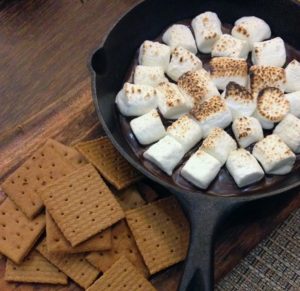
Microwave S’Mores. Wow, I had no idea it was possible to make s’mores in a microwave. They look pretty close to campfire s’mores, too, other than their colour. The photo I found above might be a way to warm up marshmallows in doors while still giving them that crispy, brown shell. I might just have to try one of these the next time I take a break from my low-sugar diet.

What Boredom Does to You. As someone who loves to daydream, this is excellent news.

Boko Haram Strapped Suicide Bombs to Them. Somehow These Teenage Girls Survived. Read this one with caution if you’re at all sensitive about violence or the death of children. It talks about some pretty dark stuff, but it was a fantastic read.

From Seven:

By far the best age is seven, when the summer grass grows around splayed fingers and each winter breath forms little clouds that morph into animals and pirate ships. When your older cousins watch with barely masked envy as sparks fly from your fingertips and pigtails as you spin. You show off for the little kids, their eyes wide with awe and anticipation. Seven, when the barrier between worlds is so thin you can cup the last glow of sunset in your palm and hold it up to the white walls of your bedroom.

Comments Off on Suggestion Saturday: November 4, 2017

Filed under Suggestion Saturday

10 Fantasy Books I’d Recommend to New Readers of This Genre

Last August I blogged about science fiction and fantasy books I’d recommend for elementary, middle school, and high school students.  Last week I blogged about science fiction books I’d recommend to adults who are unfamiliar with that genre.

Today let’s talk about books that are a wonderful introduction to fantasy in general for anyone who hasn’t explored this genre yet. I’m much more selective about what types of fantasy fiction I read than I am about science fiction. On the positive side, once I fall in love with a fantasy story I will become one of it’s biggest advocates for many years to come.

I generally have a preference for fantasy tales that were written for children or teenagers for reasons that are hard to tease out. This list reflect that, although there are still plenty of novels for adults on it as well.

Fantasy is a genre that requires a lot of world-building in order to make an unfamiliar place feel like home for the readers, so there won’t be any short stories in today’s post. Longer novels usually do better in this regard in my experience.

Finally, I gravitated towards books that have been made into films, TV shows, mini-series, or plays. I often prefer to watch fantasy rather than read it because of how rewarding it is to see a world I’ve spent years dreaming about finally come to life, dragons or intelligent little rabbits and all. Nearly all of the recommendations below have been transformed into one of these things at least once.

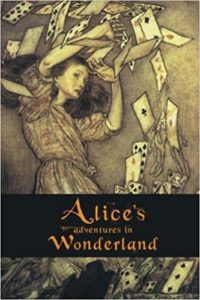
Alice’s Adventures in Wonderland by Lewis Carroll.

First of all, everyone’s heard of Alice’s Adventures in Wonderland. There are references to it everywhere, and for good reason. This was actually one of the first fantasy tales I ever read, and it’s something I enjoy going back to visit again every so often.

The scene that made me a lifelong fan was the one where Alice drank a potion and magically shrunk to a fraction of her size. I giggled the first time I read it, and it’s still charming to me to this day.

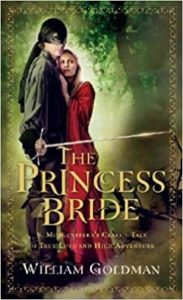
The Princess Bride by William Goldman.

I saw The Princess Bride movie years before I had any idea it was based on a book. It was a fairy tale that seemed to somehow be self-aware, and it was like nothing I’d never read or heard of before. I’m still not entirely sure if it was supposed to be a kindhearted parody of the fantasy genre or an homage to it. Given the tongue-in-cheek but ultimately warm and supportive writing style, it’s probably a little of both.

What I do know about this story is that it’s timeless and appeals to kids and adults alike. To me, this is a sign of great fantasy.

The Mists of Avalon by Marion Zimmer Bradley.

Before I read The Mists of Avalon, I’d never known that retelling a classic legend from the point of view of an antagonist was something that had been or could be done. Morgan le Fay was someone I’d barely heard of at that point, and all of the reference to her in the versions of the older King Arthur legends I had read were fairly negative.

It came as a shock to me, then, to read about Arthur’s life and kingdom from the perspective of Morgan. I was fascinated by all of the details of her life that the author invented in order to explain why this character made certain decisions and why the other characters didn’t always understand her.  Morgan became much more human and likeable to me after I finished The Mists of Avalon.

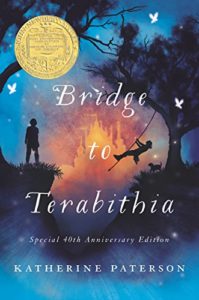
Bridge to Terabithia by Katherine Paterson.

Creating imaginary worlds and then playing in them is arguably one of the best parts of childhood. Terabithia was as complex and magical as any other world a kid could imagine, and I loved reading about Jesse and Leslie’s adventures there.

This is also one of the few fantasy novels I’ve ever read that had a sad ending. I don’t give generally give away spoilers in my posts, but I would recommend being cautious with this one for readers who are younger or sensitive.

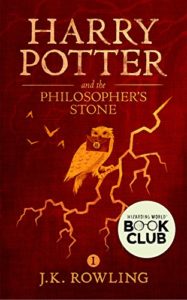
Harry Potter and the Philosopher’s Stone by J.K. Rowling.

Every once in a while I run across someone who has never read the Harry Potter series. I’m slightly surprised every time it happens, but I’m sure there are other series out there I haven’t tried yet that others would have the same reaction to.

This series is a smart introduction to modern fantasy for a few different reasons: it has a large fanbase; the movies were well done; the story telling only gets stronger as the series continues. It’s also aged well and is something I expect people to continue to read for generations to come because of that.

The Phantom Tollbooth by Norton Juster.

I have one word for you: puns. This story is brimming with them, and it only makes the Kingdom of Wisdom even more amusing than it would have been otherwise. I also enjoyed the messages embedded in this one about the importance of education and the wonders you can discover if you explore the world around us with curiosity.

The fantasy genre can be quite good at exploring messages like these without feeling preachy or pushing the main plot off topic. The Phantom Tollbooth did a fantastic job of showing the readers the importance of these things without skimping on the development of the plot.

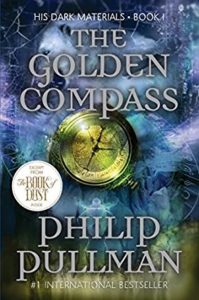
The Golden Compass by Phillip Pullman.

Disclaimer: I haven’t read the other two books in this trilogy yet. My recommendation only extends to The Golden Compass at this point.

This is the heaviest and most complex book recommendation for today’s post. I almost deleted it and replaced it with something else, but I eventually decided that it should stay. Complexity isn’t a bad thing, and neither are stories that are darker than what is typical for the age range or genre they were written for.

How do you know what is real? What do you do when your experiences of the world don’t match the orthodox explanations for how things work? When should – and shouldn’t – we trust authority figures simply because they’re authority figures?

These are hard questions for adults to answer, and they’re even tougher for kids to comprehend. I enjoyed seeing how Lyra tried to figure out what the truth really was regardless of who wanted to stop her.


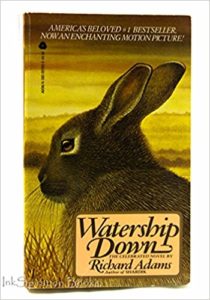
Watership Down by Richard Adams.

Watership Down was something I discovered shortly after I developed my love of rabbits. The idea of reading an entire story about a fluffle* of rabbits who were searching for a new home was quite appealing, and I only enjoyed it more once I realized just how unique each rabbit was and how much they all mattered to the plot as well as to their urgent need to find a safe place to call home.

*No, I am not being cutesy here. This is the technical term for a group of rabbits, and I love it.

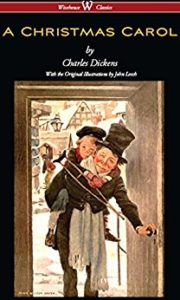
A Christmas Carol by Charles Dickens.

Not only is this a classic Christmas story, it’s a magical glimpse into what fantasy can look like if its set in an urban society that barely seems aware of its existence at all. Out of all of the different types of fantasy out there, this one is my favourite. It’s exciting to find the subtle hints that a fantasy realm has influenced an otherwise completely ordinary society.

Having such an ordinary setting also made Scrooge’s encounters with the Ghosts of Christmas Past, Present, and Future even more poignant than they would normally be. Who would have guessed that such a wealthy, greedy, and powerful man was being quietly watched by beings who desperately wanted him to change his tune before it was too late?


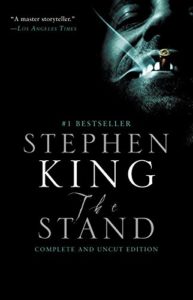
The Stand by Stephen King.

Will the world end with a bang or a whimper? This novel was so long that I only managed to read through the whole thing once. All of those extra pages and scenes were used to to create a frightening world in which 99.4% of the human population died from an unforgiving virus that had been accidentally released into the general human population.

The survivors were gradually separated into two distinct groups, one lead by a devil figure and the other lead by a woman who is fighting on the side of good. That’s when the plot became a must-read for me. This is such a classic trope in the fantasy genre, and it was explored fully in The Stand.

How about you? What fantasy books would you recommend to new readers of this genre?

Comments Off on 10 Fantasy Books I’d Recommend to New Readers of This Genre

Filed under Science Fiction and Fantasy