Category Archives: Science Fiction and Fantasy

Why I’m Tired of Stories About the Chosen One

I’ve been reading less speculative fiction this year. One of the things that has reduced how much of it I read has to do with the concept of the Chosen One and how overused it is in this genre.

There are a few different reasons why I’m quickly losing interest in stories about people who have been chosen to save their village, humankind, or the entire universe from whatever it is that is threatening their existence.

1. The Chosen One Doesn’t Earn His or Her Place

As I mentioned last month in Scifi and Fantasy Rules That Should Be Broken, heroes in science fiction and fantasy usually aren’t people who have any special training or education. They’re the Chosen One because of who their parents are, what an ancient prophecy foretold, or whether or not Voldemort tried to curse them to death when they were a baby.

If this happened occasionally, I wouldn’t have a problem with it. There is definitely something to be said for showing that heroes can come from anywhere.

The fact that it’s so prevalent, though, makes me feel uneasy. Education and experience are a positive thing. I’d never go to a doctor or dentist who had somehow skipped medical/dental school and was just winging it when it came to diagnosing an infection or deciding if I had a cavity.

So it feels strange for the fate of the entire world to be regularly handed to people who don’t have any unique skills or advanced training whatsoever.

At this point, I’d much rather read about someone who has spent or will spend years studying magic/spaceships/medicine / the dark arts. Show me some of the times they failed terribly and what they learned from it. Let me see them struggle with something that other people in their field generally don’t find difficult like casting a spell or putting on a spacesuit.

I want heroes who have earned the respect they get!

2. The Chosen One Is Often Less Interesting Than Their Sidekicks.

Case in point: Buffy Summers from Buffy the Vampire Slayer.

There was nothing unlikeable about Buffy. She was generally a kind and courteous girl, and I was fascinated by her adjustment to becoming the most recent Slayer. (That is, a teen girl who was given supernatural strength and healing abilities so that she could save the world from everything that wanted to destroy it. The previous Slayer has to die before the next one is supernaturally chosen).

The problem was that Buffy’s sidekicks were much more relatable and complex than she was. Giles, her watcher (which is like a personal trainer for mystical stuff), was as mystified by teenagers as he was by American culture in general. His very British reactions to some of the biggest differences between the U.S. and England were hilarious.  Willow, her female best friend, was a shy, awkward nerd who had a strong perfectionistic streak. Xander, her male best friend, was a slacker and class clown who hid a lot of painful truths behind his wisecracks and hijinks.

Buffy’s character development simply wasn’t as compelling as the development of those closest to her. She was already athletic, (fairly) popular, self-confident, and tough when the show began. I liked her, but I loved her inner circle because of how much more attention had been paid to the little things that made them unique.

Many Chosen Ones have the same problem. They are so busy saving the world that they often don’t get to develop a well-rounded set of quirks, weird habits, phobias, and/or non-superficial character flaws that their side-kicks get to have.

I want heroes who are deliciously imperfect. Maybe their sidekicks could be stronger, more assertive, or better looking than them. Wouldn’t it be interesting to see how a main character would respond to a friend or assistant who intimidated them a little bit or who was better at certain crucial skills than they were?

3. The Chosen One Never Dies in the End

As much as I liked him, Harry Potter really should have been killed off permanently at the end of Harry Potter and the Deathly Hallows.

All of the foreshadowing up until that point nudged the readers into this direction. It felt strange to me to see Harry walk away from that final battle. While I knew that J.K. Rowling would try to figure out how to save him because of how rare it is for a protagonist to die in the end, that wasn’t the direction the storyline had been pointing at for all seven books in the series.

After the narrator cut away to show how all of his friends put wizarding society back together after Voldemort is finally defeated, there could have been a beautiful scene showing him reuniting with his parents in the afterlife and realizing that he was finally at peace now.

I could also imagine Harry having a conversation with his parents about wanting to go back to Earth. Maybe his mother would tell him that it was impossible, but that he would be reunited with Ron, Hermione, and everyone else he loved after they’d finished living out the long, full lives that wizards usually get to experience.

There could even be a line in there about how time moves quite differently after death so that the audience would know Harry wouldn’t be missing his friends for as long as we might assume.

Yes, this would have been a tearjerker of an ending, but it also would have tied up all of the foreshadowing in the earlier books much more tightly than technically killing Harry off for a few minutes before finding a magical loophole to bring him back to life again.

I want to start genuinely fearing for the safety of the characters I love. It would be so cool to arrive at the final scene of a story and not know who – if anyone – was going to make it out again. No, I’m not saying that every final confrontation has to be a bloodbath. That would quickly become just as predictable as things are currently.

It would be really nice if there were far fewer last-minute plot twists that allowed characters to live when the first 99% of a book or series foreshadowed their deaths, though.

How do you feel about the Chosen One trope? Do you enjoy it? Do you think it’s been played out? I’ll be talking about this on Twitter today if you’d like to chat about it.

Comments Off on Why I’m Tired of Stories About the Chosen One

Filed under Science Fiction and Fantasy

The 10 Best Blogs to Follow If You Love Science Fiction and Fantasy

Every once in a while I like to google questions like “what are the best blogs to follow if you’re a huge fan of [fill in the blank]”?

Google will give you hundreds of hits when you search for something like this, but there are a lot of gems out there that are easy to overlook if you’re not willing to scroll through dozens of pages of results. Sometimes they might not even show up at all depending on what keywords you use!

This post is the beginning of a series I’ll be doing on the topic of small(er) sites that deserve much more praise than they’re currently getting. I won’t be numbering my posts because I have no idea how many posts will eventually be included in this category. All of them will be tagged with Best of Lists…, though, so that new readers will be able to scroll through all of them in the future and hopefully find some great new sites to visit.

Today I will be talking about the 10 best sci-fi and fantasy blogs that you might not have heard of yet but should definitely be checking out.

Surreal Situations

This is a  whimsical comic strip by my friend Michael Mock about a small group of action figures trying to survive in a world that is overrun with zombies.

What I like the most about it is how many funny moments Michael has managed to fit into a storyline that’s quite serious overall. He’s good at making me smile one minute and gasp the next.

The first panel of the first strip in this series is on the left.


The Setup Wizard.

Okay, so I thought that everyone had already heard of this blog, but every time I mention I meet at least one person who has no idea what I’m talking about. I am including it here to make sure that every fan of Harry Potter and/or tech support culture has had a chance to read it.

Imagine being a muggle who has been hired by Hogwarts to provide IT support. You had no idea that wizards exist, and they still don’t know how the hell the Internet works.

Nearly everything that could go wrong with such an arrangement has gone wrong so far, from students pulling pranks to all kinds of magical creatures wreaking havoc on muggle technology. I can’t recommend this one highly enough.


Queer Sci Fi

I’ve read a lot of Queer science fiction that I happened to stumble upon over the years, but until recently I didn’t know there was a specific place for talking about this specific corner of the sci-fi market.

This site has everything from book reviews to interviews to discussion groups that are always open to new members. Now that I know it exists, I am really looking forward to finding some great new reads over there.


Biology in Science Fiction 

One of the rules I made for myself when I started working on this post was that every site I linked to needed to have been updated at least once since the beginning of 2017.

Well, I just broke that rule. I’ve been reading the old posts and am fascinated by all of the scientific explanations for how certain science fiction and fantasy creatures would actually behave, live, breed, and die.

And who knows? Maybe there’s a slim chance the author will notice that their blog is still getting attention and decide to start updating it again!


Could This Happen? 

This is similar to Biology in Science Fiction except that it’s about the science of speculative fiction in general.

It’s been a long time since I took any science classes, so I often wonder if the chemistry, physics, geology, zoology, or botany in a story is anywhere close to how things would really be if that kind of spaceship/ecosystem/device/planet really existed.

The fact that there’s a site dedicated to answering these questions makes me happy.


Tobias Buckell

I’ve never met Tobias, although he is friends with a couple of my extended family members. What I like the most about his blog is how much of his own personality and interests he adds to it.

I love it when people – and especially authors –  mix science fiction in with whatever else they enjoy in their lives. It gives you such a well-rounded understanding of who they are as people.


Black Girls Create

I still haven’t had a chance to explore all of the links on this site, but Hogwarts BSU is my favourite part of it so far if you’re going to make me pick only one section to begin with.

Be sure to give yourself a lot of time to look around when you visit. There are so many different sections that you’ll want to make sure you get a good look at everything.


Speculating Canada: Canadian Horror, Science Fiction, and Fantasy 

This is another one of those blogs that I only recent discovered. It seem to be a mishmash of all kinds of science fiction and fantasy. I’m assuming that’s because Canada is a much smaller country than the U.S., so our speculative community is also smaller.

I really like seeing everything kept together, though. It’s introduced me to some titles that I almost certainly wouldn’t have otherwise heard of.


Good Show Sir

This blog shows nothing but terrible science fiction and fantasy book covers from many different eras.

My first impulse when I see a cover like that in many circumstances is to read the blurb. It would take a much worse set of cover art than most of the things I’ve seen on this site to keep me away entirely, although I will admit to being ocasssionally so turned off by a truly awful cover that I don’t even give the story inside a chance.

With that being said, some wonderful books have awful covers, and some awful books have wonderful covers. You won’t know for sure whether a story appeals to until you take the time to dig a little deeper.


Unfridged

Sexism, racism, and other forms of prejudice definitely aren’t new in the sci-fi realm, but times are changing for the better. This site talks about how the SFF community can improve, what sci-fi books and shows are doing a good job at being inclusive, and which ones still need some work.

It’s also one of the funniest sites I’ve come across in a long time.


Comments Off on The 10 Best Blogs to Follow If You Love Science Fiction and Fantasy

Filed under Science Fiction and Fantasy

How to Convince Someone to Try Something You Love

One of the first things my spouse introduced me to after we moved in together was the TV show Buffy the Vampire Slayer.

I don’t remember exactly what he said about it when he mentioned wanting to watch it with me, but I do remember his excitement. He was sure I was going to love that series as much as he did. (Spoiler alert: he was right!)

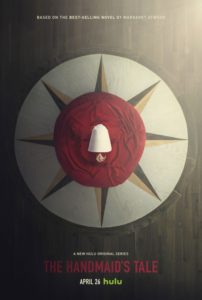
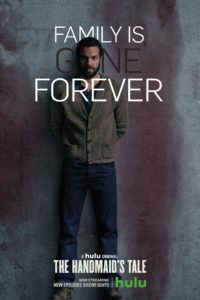
Last year I felt that same surge of excitement when I heard that one of my favourite books of all time, The Handmaid’s Tale, was going to be turned into a series. While my husband read that story years ago, I wasn’t entirely sure if he was planning to watch it with me when I first brought up the idea. I grinned as soon as he said he was willing to give it a try.

If there’s a book, album, song, TV show, or movie you’ve been wanting to share with someone, keep these tips in mind when you’re explaining to them why you think they’d love it as much as you do.

Clearly Explain Why You Love It

My spouse told me that Buffy the Vampire Slayer was science fiction, horror, satire, comedy, romance, and drama all rolled into one. He gave examples of these elements of the plot that were as specific as they could be without giving away any spoilers.

I was immediately intrigued. Stories often jump between two or even three genres, but I’d never heard of one that tried to be so many different things at once. It was even more interesting to think that this had been a success!

The fact that he could so clearly explain how all of those genres came to be fused into one single tale made me want to give it a try.

Be Honest About Its Faults

Every time I recommend Jean M. Auel’s Earth’s Children series to someone, I make sure to note that the storytelling changes a lot from the first book to the last one. I have a strong preference for the writing style of the first few books, and I’m not afraid to tell people that.

This doesn’t mean I’m any less a fan of her work. There are other stories that I enjoy even though they presented certain groups in stereotypical ways or were a little problematic in general. You can love something and still see things in it that you really wish had been told in a different way for any number of reasons.

If someone can admit that their favourite piece of pop culture isn’t perfect, it makes me more willing to give that book or show a try. There’s a fine line between being excited about something and overlooking any flaws it may have.

Pick the Best Part (or Explain Why You Can’t)

My favourite singers have certain songs that I would immediately start playing if someone asked me why I enjoyed their music so much. In some cases, this would mean jumping back and forth by years or even decades in their catalogue.

There’s always time to go back and fill in the gaps later if the other person happens to like my suggestion and it’s something that can be listened to or watched in any order without messing up the flow of the storytelling

This isn’t possible in some cases, of course. A TV show that builds complex and interrelated storylines over time might not make sense if you jump into the middle of season 4. Sometimes you really do have to start at the beginning. Buffy’s first season wasn’t the best part of that show, but it still needs to be watched in order to understand what happens later and why certain things were foreshadowed early on.

Be Prepared to Accept No for an Answer

Not everyone will become a fan of the new things they try. For example, I watched several Doctor Who episodes before deciding that it’s not my cup of tea and I won’t be watching it again. There were a few specific scenes that I enjoyed, but the storylines in general simply don’t appeal to me.

One of the things I admire in a person is the ability to accept that not everyone will love the same things they do. People’s preferences are complicated. Sometimes those preferences can shift over time, but in other cases someone is never going to love that thing that you can’t get enough of.

There’s absolutely nothing wrong with that.

Recommending Stuff is a Two-Way Street

There’s something fascinating about getting to know someone by paying close attention to what they do and don’t like. As much as I want to recommend The Handmaid’s Tale to everyone I meet, someone who doesn’t like speculative or dystopian fiction wouldn’t be a good match for this tale.

I appreciate it when others give me this same level of attention. Over the years I’ve tried all kinds of things that I wouldn’t normally read, listen to, or watch. Sometimes I end up enjoying them, and sometimes I don’t. I especially like trading ideas with people who take my suggestions seriously as well.

Recommending stuff is like dancing with someone. There’s a natural pattern of give and take to it that works beautifully if everyone involved understands the rhythm.

Comments Off on How to Convince Someone to Try Something You Love

Filed under Science Fiction and Fantasy

Scifi and Fantasy Rules That Should be Broken

I’ve been reading science fiction and fantasy stories for about as long as I’ve known how to read at all. There are so many things I love about these genres, but today I wanted to talk about some of the things that I wish SFF writers would do differently.

1. The Chosen One Must be Young and Uneducated

Why is the chosen one nearly always a teenager or young adult who hasn’t completed – or often even started – their training yet? Why are they the only one who can defeat the wizard, dragon, corrupt government, or werewolf army?

I dream of the day when the chosen one is actually a group of specialized, highly-trained witches who must use their complementary powers at the same exact time to defeat the dragon. Alternatively, maybe the chosen one could be a 70-year-old scientist who has spent the last 40 years studying the virus that has wiped out the last three attempts at permanent human colonies on Europa and who only now is ready to test his vaccine for it on human subjects.

At this point, I’d prefer to watch conflict build up slowly over years than see any more characters jump into the fray before they fully understand what’s going on or have had any training in what they’re about to accomplish.

2. Everyone Gets a Love Triangle

No, I am not against romantic storylines in general. There is definitely a time and place for them, and many stories would be far poorer without them.

With that being said, I’d be happy to never read about another love triangle again. This kind of stuff yanks me out of the plot every time it happens because of how confusing and strange I find it to be.

Please let characters be polyamorous, asexual, or totally uninterested in falling in love until the last zombie has been destroyed and humanity has once again begun to enjoy luxuries like healthy food, deodorant, regular baths, and not running in terror for their lives every day.

I would be thrilled to read about any of these scenarios. What I’d like to avoid, though, is anyone wringing their hands about which love interest to pick when there are far more urgent matter at hand.

For example, how terrible must all of the characters smell after running away from zombies for weeks and eating nothing but stale candy bars and potato chips out of vending machines?( I’m mostly joking here, but I think about practical matters like bad breath and body odour when a character in this sort of story suddenly starts mooning over someone who also probably hasn’t seen a toothbrush or loofah since sometime last month).

There are so many interesting things to say about outsmarting zombies, navigating a spaceship, or figuring out how to placate a fairy after you’ve unintentionally angered her and all of her relatives. These sources of conflict are a thousand times more compelling to me than wondering which love interest the main character will pick when he or she is still trying to figure out how to survive the night or which end of the sword you should be poking the bad guys with.

3. Aliens Are Always Smarter Than Us

There are only a few non-human species on Earth that can be described as intelligent: elephants, dolphins, and certain species of apes come to mind here.

We have no idea what life is really like on other planets or if it exists, but sometimes I wonder what humanity would do if we discovered something that wasn’t a little green man who could learn to speak English.

How would we treat an alien species if it was about as intelligent and willing to communicate with us as is the average cat? What if they were intelligent but it was in a way that wasn’t particularly compatible with human intelligence? Would we still be interested in a species if we couldn’t figure out their language or they couldn’t figure out ours?

These are the kinds of questions I think about every time I watch science fiction movies about humans making contact with new species from other planets.

4. Humans Are the Good Guys

Speaking of aliens, why are humans always the good guys when our species get into conflicts with each other?

Humanity honestly doesn’t have the best track record when it comes to treating new cultures and societies fairly. While I hope that would change if we ever met intelligent and communicative beings from another planet, I think there’s a fairly decent chance that at least some humans would try to take advantage of them for personal or political gain.

No, I’m not saying that eery single human needs to be fighting for the dark side. Wouldn’t it be interesting to read a book or watch a movie about someone who noticed this happening and who tried to warn the aliens before one of our governments passed a law saying it was okay to mistreat visitors from other planets, though? The conflict between your duty to your species and your duty to protect innocent visitors who are going to be horribly abused for potentially many generations to come if you don’t speak out and fight for them right now would keep me glued to my seat.

It would also help the scifi genre return to the kinds of social messages that used to be much more common in it. Science fiction isn’t just about coming up with flashy ideas for new technology or imagining what life could be like in a few hundred years. It can also be about getting people to think critically about the decisions they make in their real life that can help or hurt the most vulnerable members of our society.

5. Nobody Spills the Beans

I shake my head every time a vast conspiracy is revealed that has existed for decades and required thousands or even millions of people to play along with it.

It’s hard enough to get five people to agree on what kind of pizza to order or to keep excited relatives from sharing the news when you tell them that you’re pregnant, have finally finished writing your book, or recently got a promotion!

Secrets only work if they’re kept by a small number of highly motivated people. Even then, it is very easy for one of them to spring a leak with someone they deeply trust.

Unless the character exist in a universe where the Powers That Be purposefully limit the intelligence of most people while they’re still in the womb, these things should either somewhat common knowledge or only known by a handful of characters in the entire universe.

I would love it if more books understood all of these rules. If you have any recommendations for stories that do, let me know on Twitter!

Comments Off on Scifi and Fantasy Rules That Should be Broken

Filed under Science Fiction and Fantasy, Writing

5 More Modern Scifi Books You Should Be Reading

Last month I recommended five modern science fiction books that I really enjoyed to my readers. Today I decided to write a follow-up post so that I can recommend even more great reads to you! Who knows? Maybe this will become a series on this blog. We will see what happens in the future.

The Passage by Justin Cronin.

What is it about?

A virus turns humans into vampires so quickly that our species is now on the brink of extinction.

An FBI agent suddenly finds himself in charge of keeping an abandoned child safe in a world where no child is safe anymore.

Humanity must adjust to this new world, so the rest of the plot is about how that happens over a long period of time and what happens when the precautions people take to protect themselves begin to fail.

Why should you read it?

This is one of the most suspenseful and action-packed books I’ve read in a long time. Dividing it up into sections that told different pieces of the same story was a good idea. In some ways, it was sort of like three novellas set in the same universe one because each section was focused on such a specific part of the storyline.

One of the other things I appreciated about it was that the vampires weren’t misunderstood, secretly romantic, or anyone’s boyfriend. They were violent, dangerous, ugly, and menacing. This black-and-white approach to the genre was refreshing. I really like it when monsters act like monsters.

Oryx and Crake  by Margaret Atwood

What is it about?

It’s a dystopia set in the near future. Jimmy, a man who thinks he’s the last living human on earth, is grieving the loss of his friends Oryx and Crake.

His only companions are the Children of Crake, a small group of genetically-modified, human-like creatures who are about as intelligent as the average 7-year-old child. They think of him as a messenger from their creator and obey his every command.

The plot thickens when Jimmy runs into his old friends and realizes that he isn’t alone after all.

This is the first book in her MaddAddam trilogy. If you like it, the next two books in the series are just as excellent.

Why should you read it?

The first thing that drew me into the plot were all of the flashbacks to life right before society collapsed. Your social class determines everything from what kind of school you’re allowed to attend to how much food you have to whether or not you survive in this society. It is a very rigid system that’s basically impossible to escape.

The Children of Crake weren’t the only genetically modified creatures in this universe. In fact, they weren’t even the most interesting ones!

I also enjoyed the storytelling. This is something I’d especially recommend to anyone who has read a lot of science fiction or who is already a fan of Margaret Atwood’s writing in general. She plays around with this genre in some pretty spectacular ways.

World War Z: An Oral History of the Zombie 

What is it about?

This is a collection of interviews done with people of all ages and backgrounds who survived the zombie apocalypse many years after humanity more or less won the war.

Patient Zero’s experiences are included early on. Most zombie fiction doesn’t bother showing where the virus comes from or how it started to spread, so I was fascinated by this section.

Another interview is with a feral child who somehow escaped being attacked and then survived alone in the woods for years before finally being rescued. Despite being much older now, this witness will always remain a small child as far as their mental understanding of the world goes.

There is also a dog who was trained to fight the zombies as part of a military strike against them. That interview was obviously done with one of the humans who worked with the dog, of course, but it was fascinating to see how such a partnership was created and why it functioned so well.

Why should you read it?

Regardless of whether you hated or loved the movie that shares the same name, this book is nothing like that film. The only thing they share in common is their title.

I loved the interviews because they covered the civilian, military, and medical sides to the story. Some characters saw and fought multiple zombies. Others had more sheltered experiences because of the nature of the work they did or where they happened to be when the outbreak began.

This reminded me of the oral histories I’ve read about real historical events. One person’s perspective can’t tell you the whole story, but you’ll learn a lot about what happened and what was possibly a myth or a misunderstanding if you interview many people and compare their memories.

The First Fifteen Lives of Harry August by Claire North

What is it about?

The title gives away much of the plot. Harry August is a man who keeps living the same lifetime over and over again.

No matter what he does or where he goes, every death that finds him only brings him back to the day of his birth.

This isn’t to say that every single lifetime of his is exactly the same, though. He makes different choices every time that lead to happier (or sadder!) outcomes later on in life.

Why should you read it?

Reincarnation is fascinating.

I’m also intrigued by the idea of reliving your life in order to correct mistakes that you made in it. Would things be better or worse if you hypothetically took back those cruel words you spat at someone, or never travelled to the place where that awful thing happened, or ordered a salad instead of the shrimp special on your twenty-third birthday that gave you life-threatening food poisoning the last time around?

11/22/63 by Stephen King

What is it about?

A high school English teacher named Jake who travels back through time to attempt to stop the assassination of President Kennedy.

Like The First Fifteen Lives of Harry August, trying the change the past is much harder than it looks. Every time Jake changes one thing, the universe does its best to thwart him and restore time to the way it originally was.

Why should you check it out?

This isn’t your typical Stephen King tale. There are no monsters, demons, or gory plot twists. As much as I occasionally enjoy his pulpier work, this is a wonderfully mature and complex story that I’d recommend to people regardless of whether or not they’re already a fan of this author’s writing style.

This is one of those rare cases where I’d recommended watching the TV show by the same name just as much as I’d recommended reading it.

Is it cheating to admit that I’m not entirely sure I finished the book when I tried it a few years ago?  It’s been so long ago that I can’t remember for sure, but I love the TV show so much that I’m now planning to give the original story another try. Sometimes it takes me a few tries to read all the way through a full-length novel, and there’s nothing wrong with that.

This is the kind of story that excels on the small screen because of how much it depends on small details. In this case, visualizing those little details was much easier for me to do by watching it unfold one episode at a time. You may want to try both and see which one appeals to you most.

Happy reading!

Comments Off on 5 More Modern Scifi Books You Should Be Reading

Filed under Science Fiction and Fantasy

How to Survive a Post-Apocalyptic Storyline

Congratulations!

You’ve just been selected to be one of the secondary characters in an upcoming post-apocalyptic novel.

If you wish to die nobly in order to spur the main character on at a critical moment in the plot, please disregard the rest of this message. There is always a need for volunteers for this position, and so your sacrifice in this manner will be greatly appreciated by everyone who expects this kind of tearjerking moment in a world without any modern conveniences.

If you want to live, memorize these rules and be sure to follow them religiously once the first scene has begun. They won’t guarantee your survival, but they will greatly increase the odds of it.

  1. Ignore the news and the government. There has never been one single instance of a government body or a news organization having any clue what is really going on in an apocalypse. Do not listen to any advice they give, and avoid traveling to any safe area they recommend in the first few scenes. It will be a trap.
  2. If the protagonist travels east, head west. While this isn’t always something that’s possible to accomplish, staying out of the way as much as possible is the safest thing you can do until or unless you are promoted to a main character role. Every big battle will take place wherever the main character roams, so you will reduce your chances of getting caught up in one if you travel anywhere other than those locations. This rule can be broken during the climax if other secondary characters have already been killed off and if you are willing to take the risk that the author still has some tricks up his or her sleeve.
  3. Do not endear yourself to the audience. You will feel tempted at times to play up the best parts of your personality in order to lure some of the audience’s attention from the main characters, but encouraging them to love you will only increase the odds of you succumbing to whoever or whatever it is in the storyline that has killed off so many other people before you. This is especially true if you are young, vulnerable, or happen to remind the protagonist of a loved one that he or she left behind in the beginning of the story.
  4. Avoid playing the hero. If you know your safe house is surrounded by monsters, avoid any foolhardy attempts to sneak past them regardless of who in your party might be in dire need of medicine, food, or water in that scene. There is only one hero in this story, and any attempts to steal that spotlight will be interpreted by the writer as foreshadowing for your eventual death. Stay in the shadows and away from the dangers of sudden plot twists as much as possible while the keyboard is still clicking away.
  5. Remain slightly hopeful. Characters who lose all of their hope for the future are in just as much danger as characters who are still obnoxiously cheerful and upbeat after days of hiking through the mud and shivering the night away without a single blanket to keep them warm. Stay neutral when the dialogue is not focused on you and slightly hopeful but still realistic about the odds if you happen to get accidentally caught in the same scene with the main character after the opening act.
  6. Memorize the most common kinds of creatures found in the science fiction and fantasy genres. Elves and faeries are almost always trustworthy. Unicorns are harmless to non-virgin humans. Ghosts may be frightening, but they are rarely a genuine threat to anyone. Orcs, zombies, vampires, and goblins are always dangerous unless you happen to wind up in a rare post-apocalyptic romance novel where a member of their species happens to be the main character’s love interest. Once you know who or what you’re dealing with, you’ll know whether to stick with, tolerate, or avoid any non-human characters that may be lurking in the book.
  7. Listen to your elders. While not every post-apocalyptic story will include an older, wiser character who knows exactly what is going on, be sure to listen to them if they appear at any point in the storyline. The chances of that individual guiding you safely to the final scene are much higher than you might think.  People like this usually appear in the plot for a good reason and should be trusted unless you have an even stronger reason to ignore their sensible advice. In some cases, this can even shorten a full-length novel into a tidy short story with only a small reduction in the overall suspense and excitement of the tale.

With any luck, following all of these rules will help you survive until the final battle. Every character is more or less on their own at that point, so be sure to continue practicing your swordsmanship, long distance running, emergency medical drills, and spell casting until you know exactly what kind of book you will be assigned to and therefore what skills you will need to survive whatever disease, monster, battle, natural disaster, or other source of conflict may be coming your way.

Newer posts in this series:

How to Survive a Paranormal Storyline.

Comments Off on How to Survive a Post-Apocalyptic Storyline

Filed under Science Fiction and Fantasy, Writing

5 Reasons Why You Should Be Watching Glitch

This is a repost from my old blog. I will be back next week with new material. 

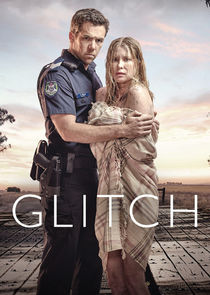
Glitch is an Australian sci-fi show about a small-town cop named James Hayes who is trying to figure out why six people have risen from the dead in the local cemetery. None of the dead remembers their previous identities, and all of them have come back in perfect health.

I absolutely love this show and can’t wait for season two to begin. If you haven’t checked it out yet, here are five spoiler-free reasons why you should be watching Glitch as well:

monday-blogs-1It’s Brutally Honest About the Past

The people who came back from the dead didn’t all pass away in the same year or even in the same era. Some of them were gone for a long time before they suddenly came back, and the writers on the show never ignore that when they show these characters adjusting to life in 2016.

I can’t go into any further detail about this aspect of the plot without giving away spoilers about the episodes I’ve seen so far, but I can say that I absolutely loved how the huge cultural differences between the past and the present were handled when they came up.

The Dead Aren’t Scary

No, they’re not zombies, ghosts, or vampires. They’re human beings. Just like us, they eat, sleep, feel emotions, and breathe.  The fact that they can’t remember who they are or why they died is a huge mystery, but it’s only part of who they are as individuals.

As I get to know their personalities better, I become even more eager to figure out why they were brought back and what will happen to them next.

The Living Are Empathetic and Kind

I have to admit that seeing nude people who were covered in dirt crawl out of their graves would freak me out.

This is one of the reasons why I was so impressed by how James and the other residents of the town responded to finding the dead wandering around in a graveyard in the middle of the night. They were quite understandably shocked and confused at first, but they also quickly began rescuing the dead and finding a safe place to take them.

After giving up on a few other science fiction shows partially due to how poorly their characters behaved in a crisis, I was pleased to find one that shows people helping each other in an uncertain situation.

People Make Sensible Choices in This Universe

Do they always make the right decision? No!

They do have common sense, though, and so far they have been pretty good at learning from their past mistakes when something goes wrong.

This is the sort of thing I love finding in a TV show. It’s completely possible to have a great deal of tension in an episode without relying on a character to ignore something that happened five minutes ago in order to get them to wander into the wrong area or trust someone that they know they should be wary around.

The Opening Credits Are Visually Stunning and Important to the Storyline

Let me be honest here. I usually don’t pay a lot of attention to the opening credits of the TV shows I watch. Most of them are simply replaying scenes from the show that I already know. They’re fun to watch a few times, but the repetition eventually makes me lose interest in them.

This isn’t the case for Glitch.

While the opening credits are deceptively simple at first, they do give away some important information to anyone who pays attention to what’s going on in them. Without giving away spoilers, they’re also incredibly beautiful.

So do pay attention to them if or when you watch this show!

Comments Off on 5 Reasons Why You Should Be Watching Glitch

Filed under Science Fiction and Fantasy

The Best Way to Respond to People Who Don’t Share Your Taste in Books

Years ago someone asked me what kind of science fiction books I like to read.

I’d hit a lull in that genre shortly before that conversation began, so it took a moment to come up with my answer. The last book I remembered reading and really loving at that point was by a popular, mainstream science fiction writer, so I mentioned their name.

The other person’s disgusted reaction to my answer made my heart sink. This clearly wasn’t an author they liked at all. The conversation quickly shifted to other topics.

Here’s what I wish they’d said to me instead:

Oh, that’s interesting. I’ve never really been able to get into that person’s work. What have you read recently from them? What did you like about it?

For the record, I definitely don’t expect everyone to like the same stuff I do. Life would be incredibly dull if everyone always read and watched the same material.

There are also authors out there whose books don’t appeal to me in any way. What is fresh and exciting to me might be boring or scary to someone else. Those authors have all found audiences who appreciate the kinds of stories they tell, though, and you can learn a lot about someone by figuring out what it is they like about a particular storyteller.

For example:

How Do They See the World?

Someone who reads a lot of historical mysteries set in New England, for example, might be a history buff or have a real knack for solving mysteries by noticing all of the important clues early on.

I don’t make assumptions about why someone likes the things they do, but it is fun to ask them more about it and see what they have to say. You can learn so much about someone’s perspective by exploring the reasons why they think a specific genre is the best thing ever.

What Do They Value?

I have a few friends who absolutely love romance novels. Their appreciation for happy endings and everlasting love makes me smile. It’s also shown me sides of their personalities that I probably wouldn’t have noticed otherwise.

Most people don’t go walking around telling others that they believe in the inherent goodness of humanity, after all, but you might catch a glimpse of this part of their mind if you probe for deeper answers. There is always a reason why someone likes the things that they do. Those reasons won’t always be the key to an important part of their personality, but sometimes they can be.

What Are They Afraid Of?

This won’t apply to everyone, of course, but one of the reasons why I like talking to people who read horror, thrillers, and similar types of tales is that you can learn a lot about what people find scary based on what parts of these genres they find appealing.

I love being scared, but I hate blood and gore. The kinds of horror novels I relish are almost entirely about what’s going on in the main character’s mind instead of anything the villain is physically doing to frighten them. Is he or she genuinely seeing those horrifying things, or is there a rational explanation for their nighttime visitors? Is there anything the main character is holding back from us, or can we completely trust their perspective?

Do They Think You’d Like It?

Another reason why it’s is a good idea to ask questions instead of make assumptions about people’s tastes in books is that you might find a new author or series you really like.

As a writer, I’ve been noticing a lot of stories that cross over with many other genres. While I usually prefer darker and more serious science fiction, I have been impressed by how creative some of those crossovers are. It takes a lot of hard work to blend, say, a zombiepocalypse with an engaging love story, but a lot of people have been making it work in wonderful ways.

The more you talk to people who love genres or writers that aren’t your cup of tea, the higher your chances become of stumbling across something incredible. I hope you’ll keep these points in mind the next time you have a conversation with someone like this.

Comments Off on The Best Way to Respond to People Who Don’t Share Your Taste in Books

Filed under Science Fiction and Fantasy

5 Modern Scifi Books You Should Be Reading

This post was inspired by a few different conversations I’ve had recently about my favourite science fiction books. I hope you find at least one new recommendation in this list!

The Book of Dave by Will Self.

What is it about?

A grim, futuristic society set in the land formerly known as England. This society’s religious beliefs and social structure are based on a long rant written by a frustrated cab driver hundreds of years before the events of this story began.

Why should you read it?

There is a lot more going on in the plot than what I shared above. I won’t share spoilers about the rest of the storyline, but I still think about these characters even though it’s been years since I read this book.

Their experiences cross the boundaries between religion and science as well as between what is currently possible in 2017 and what could become possible in a few short decades.

This is the kind of fictional world that bleeds into our own. I can’t count the number of times I’ve heard someone say something in our reality that sounds like it came straight from the Book of Dave. It surprises me a little bit every time it happens.

Feed by Mira Grant.

What is it about?

Imagine a world where cancer and the common cold no longer exist. What’s the catch? The cures for these diseases unleashed a virus that turns people into zombies.

The main character grew up in this world. She can’t remember what life was like before people risked their lives every time they left the safety of a compound.

Why should you read it?

The characters understand the campiness of certain situations, and they’re not above playing up those moments at times. I enjoyed those brief moments of humor in what was an otherwise serious tale.

I also liked the fact that human society adjusted so quickly to the reality of living alongside zombies. Most of the characters make logical choices. There weren’t any instances of people suddenly forgetting to follow basic safety rules or doing other things that don’t fit what the reader knowns about them as an individual.
Never Let Me Go by Kazuo Ishiguro.

What is it about?

A group of children growing up in a remote boarding school, none of whom have ever known their biological parents. Their strict, isolated upbringing only grows more bizarre over time.

When they grow up and start to fill the roles they were meant to fill, the mysteries of their odd childhoods finally begin to make sense.

Why should you read it?

To be honest with you, I didn’t know what I thought of this book the first time I read it. My interpretation of what was going on with the characters was completely different back then as compared to what it is now.

I can’t say much else about this without give away the ending, but Kazuo gave me a lot of food for thought. It was especially interesting to look back at how everything started once I knew how it ended. There were plenty of clues about what was going on from the beginning if you paid attention to what the narrator was and wasn’t saying along the way.

The Girl with All the Gifts by M.R. Carey.

What is it about?

A child named Melanie who lives on a military base with a small group of other children. All of the soldiers who guard the building where the kids live are inexplicably terrified of them.

Melanie’s teacher, Miss Justineau, isn’t scared, though. For now she seems to be perfectly content teaching the strange, little children who only eat once a week and never seem to grow.

Why should you read it?

Those of you who have been known me for a while might remember how much I loved this story. It’s hard to talk about the rest of the plot without giving away spoilers, but I was fascinated by the idea of a 10-year-old girl being perceived to be such a huge threat by the soldiers who guarded her.

The plot twists were simply well done. I’d be lying if I said I didn’t figure some of them out before the characters realized what was going on, but it was still exciting to see how they unfolded. This was especially true when it came to the ending. I couldn’t have imagined a more fitting one for Melanie and her friends. As much as I’d like to see a sequel, I felt genuinely satisfied by how the author wrapped everything up.

The Martian by Andy Weir.

What is it about?

An astronaut named Mark who accidentally gets left behind on Mars after an accident. His fellow astronauts believed him to be dead when they left. Now he has to survive alone on a hostile world for years until a rescue mission can save him.

Why should you read it?

Simply put, the storytelling was phenomenal. It was so good, in fact, that I’d recommend watching the movie just as heartily as I would recommend reading The Martian. You don’t have to experience both of them if you don’t want to. They both were the exact same story.

Both versions of this story are full of tension. Mark is injured when he wakes up on Mars after the accident. He quickly has to figure out not only how to treat his injury but also how to repair the damaged equipment that he will rely on to survive.

These are the first two of many problems he has to solve on his own. From what I’ve read, the scientific portions of Mark’s adventure were pretty accurate. Knowing that these were fairly close to the kinds of dilemmas that real astronauts would deal with in this situation made me even more invested in finding out if Mark would ever figure out a way to get back to Earth.


Comments Off on 5 Modern Scifi Books You Should Be Reading

Filed under Science Fiction and Fantasy

Why You Should Read Books Outside of Your Favourite Genres

pexels-photo

My first literary love is the science fiction and fantasy genre, but that doesn’t mean that it’s the only thing I ever read.

Today I wanted to talk about why it’s such a good idea to read books from a wide range of genres.

It Introduces You to New Ideas

Non-fiction is a wonderful example of this. One of the reasons why I read so much of it is that it spends a lot of time exploring why and how people can change the way a society operates.

For example, a history of a specific war may talk about difficult decisions government officials made that either helped or hurt their cause. Smart, rational people make terrible and wonderful choices for all kinds of complex reasons that can’t be boiled down to a pithy paragraph or two.

I’ve often thought about the dilemmas those historical figures while I’m working on my own stories or when I’m trying to figure out a problem in my personal life. You can learn a lot about life and how humans behave by paying attention to how people solved problems in the past.

It Changes the Way You Look at the World

Reading a wide variety of books gives you glimpses of all kinds of things that you’ll never experience in your daily life, from what life was like ten thousand years ago to how people live on the other side of this planet.

Life is also rarely a black-and-white experience. My favourite part of jumping from one genre to the next is how it changes the way I look the exact same scene depending on which literary lens I just finished wearing.

A sunny meadow could be the site of a amorous picnic in a romance novel, the final resting place of the bad guy in a horror novel, or the setting for a groundbreaking archeological discovery in a memoir.

The more genres you read, the more possibilities you’ll be aware of the next time you happen to walk past a pretty field of flowers and wonder what’s happened there in the past.

booksIt Helps You Find Hidden Gems

There have been multiple times when I happened to pick up a book from a genre I don’t usually read and was surprised by how much I loved it.

Had I made a strict rule about never reading about X, I would have spent my whole life not knowing what I was missing.

For example,  I read Robin Mather’s “The Feast Nearby: How I Lost My Job, Buried a Marriage, and Found My Way By Keeping Chickens, Foraging, Preserving, Bartering and Eating Locally (All on $40 a Week)” several years ago after a friend recommended it.

I am not the kind of person who is into farming, eating organic food, or raising livestock, but I still deeply enjoyed this author’s stories about all of the struggles she faced as she adapted to her new lifestyle. Some of her stories were seriously hilarious! I found myself rooting for her to find a happy ending even as I chuckled at the mistakes she made along the way.

It Gives Your Brain a Workout

I’ve been reading science fiction for so long now that I can usually predict where a storyline is going long before the characters have any clue what’s happening to them. There are certain plot devices that are used so regularly in this genre that it’s pretty easy to spot them once you’ve read a enough books that happen to include them.

The nice thing about dabbling in other genres is that you generally aren’t as familiar with the tropes or other plot devices that they use. When I first started reading mysteries, for example, I’d often overlook small but important clues in the first scene because I wasn’t used to needing to pay such close attention to little details like whether the butler was right or left-handed or what time of day the neighbour said she’d seen the suspect leaving the victim’s house.

I hope I’ve encouraged you to give another genre a try the next time you’re rummaging around at the bookstore or library and trying to figure out what to read next. There are so many amazing stories out there waiting to be discovered!

Comments Off on Why You Should Read Books Outside of Your Favourite Genres

Filed under Science Fiction and Fantasy, Writing