

Author Archives: lydias

About lydias

I'm a sci-fi writer who loves lifting weights and hates eating Brussels sprouts.

How to Encourage Someone Else to Start Exercising

No, this post isn’t about cajoling, bribing, manipulating, or otherwise pushing people to do what you want if – or even because –  it will be good for them in the longterm.

Not only is this kind of behaviour completely ineffective, it’s also destructive regardless of whether it’s happening between friends, relatives, or romantic partners.

The decision to change one’s habits for the better is something that every adult has to decide to do for themselves.

I won’t lie to you. It’s difficult to make big, permanent lifestyle changes. The only way these changes will stick is if the person who is trying them is genuinely committed to the process.

With that being said, there are a few things you can do if there’s someone in your life whom you wish would start exercising for the sake of their own health.

Be a Good Example

I walk briskly for about an hour every day. I also lift weights and occasionally dance or do yoga as well. When I invite someone to do something active with me, it’s always for activities that I’ve already been doing and deeply enjoy.

If you want your loved one to start taking better care of themselves, showing them how it can be done is one of the best things you can do. Words are cheap. Months or years of quietly demonstrating how to fit exercise into your life is a much better motivator from what I’ve observed.

Ask Them About Their Goals and Interests

One of my neighbours regularly goes to the gym, and his hours of weightlifting have changed his physique in all kinds of healthy ways.  I’ve been quietly impressed with how dedicated he is to growing stronger and building some serious muscle.

Feeling better was one of my biggest goals when I first began exercising again regularly a few years ago. As I’ve mentioned in previous posts, I was tired of feeling rundown. While I definitely wanted to lose a little weight at the time as well, having more energy, sleeping better, and eventually not getting sick as often were what kept me going before the numbers on the scale started to budge.

If you can figure out what your loved one would like to change about their life and what kinds of exercise they do (and don’t!) like, you’ll be able to suggest some routines that would help them reach those goals.

Keep It Fun

One of the things I love the most about living in Toronto is how easy it is to walk everywhere. Everything I could possibly need or want is within walking distance of my house: grocery stores, salons, movie theatres, parks, medical clinics, museums, and the library. I could easily go weeks without needing any form of transportation other than my own two feet when the weather is mild. Sometimes my spouse and I entertain ourselves simply by taking a long walk when we don’t know what else we’d like to do.

Of course, not everyone lives in a neighbourhood like this one. I’ve lived in suburban and rural places in the past, and I know how much that can affect someone’s daily routine.

The basic principal remains, though. Exercise doesn’t have to be something you tack onto the end of your day. There are many different ways to weave it into your routine in all kinds of fun ways if you think creatively about it. For example, I have a relative who lives so far out in the country that there aren’t any pizza places that will deliver food to them. One of the things her family likes to do is walk half a mile or so down the road to visit another relative of ours every day.

Even small amounts of exercise like that can really add up by the end of the day or week, and they won’t feel like work if you’re doing them to get to somewhere fun.

Back Off

This is by far the most important step in the process.

Adults have the right to run their own lives however they see fit. Once they know that you’re interested in working out with them, it’s up to them to decide when and whether this might take place.

Think of it the same way you do when you give a gift to someone. Once you’ve handed it over, what they do with it is something only they can determine. They might use it forever. They might use it someday when they’ve realized how valuable it is. Alternatively, they might decide it isn’t the right thing for them and never use it at all.

It’s okay to invite them to do a specific activity every once in a while, but that’s as far as I’d go unless they’ve asked you to invite them to work out more often than that. Let them think about it. They’ll either decide to take you up on your offer or they won’t.

Either way, it’s out of your hands now.

Comments Off on How to Encourage Someone Else to Start Exercising

Filed under Fitness

Suggestion Saturday: June 10, 2017

Here is this week’s list of poems, essays, stories, and other links from my favourite corners of the web.

When White Privilege Isn’t White: Confessions of a Complacent Latina via ‪SandraMFalcon‬.The message in this post isn’t an easy one to hear, but that makes it even more important to listen to it. I also loved the link to We Were Made for These Times that Sandra included in this post.

No, Our Attitudes Aren’t the Problem via ‪the_author_‬. This was excellent.

What’s Broken. I’ve been sharing a lot of Dorianne Laux’s work lately, and I’m planning to share more in future Suggestion Saturday posts. She’s quite the writer.

Say, She Toy. This is one of those fabulous stories that works best if you don’t know anything about it to begin with.

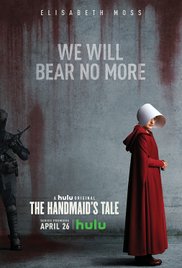
Why It’s Painful to Watch The Handmaid’s Tale via ‪MarinaSofia8‬. Here’s hoping we get many more articles like this. There are reasons why Margaret Atwood didn’t put anything into The Handmaid’s Tale that hadn’t already happened before.

From Your Phone Was Made By Slaves:

Nature is willing, but the people are broken. War has shattered minds and bodies and any semblance or expectation of order; life has become a scramble for survival in a population divided between those with guns and those without. This chaos is the perfect breeding ground for slavery. When valuable minerals are stirred into the mix, the odds of a slavery outbreak are even higher.

Comments Off on Suggestion Saturday: June 10, 2017

Filed under Suggestion Saturday

The Handmaid’s Tale: The Other Side


This post includes spoilers for “The Other Side”
 (Season 1, Episode 7) of The Handmaid’s Tale. It also includes spoilers for the book. As usual, the link on the left has full summaries of all of the episodes that have aired so far. 

One of the things that always bothered me about the original version of The Handmaid’s Tale was that neither Offred nor the audience ever learns what happens to her husband, Luke, in it. She eventually did get some information about the fate of their daughter, but not having that same sense of closure for Luke was troubling.

After this episode, I’m so glad I’ve been avoiding spoilers for this show most of the time. I didn’t know that we were going to learn the fate of Luke, or that he’d get an entire episode dedicated to telling his side of the story after June and their daughter were kidnapped. I’ve been assuming all this time that Luke died during their escape attempt. To see him again was a wonderful surprise.

It turns out that Luke was shot in the stomach by the Guardians a few minutes after June and their child ran into the woods. Hoping to be able to interrogate him, the Guardians called for an ambulance to take him to the hospital. Interspersed between these scenes were flashbacks to when and how Luke and his family decided to try to flee to Canada.

While on the way to the hospital, the ambulance got into an accident that killed everyone in the vehicle except for Luke. Having him escape through pure luck made a lot of sense for his character because Luke’s previous life hadn’t given him any special training at all in stuff like hand-to-hand combat or the use of firearms. He had the average person’s understanding of how these things work, so I really appreciated the fact that the writers didn’t try to change this about him

After Luke escaped, he walked in the direction where his wife and daughter had fled. He found a few personal effects that they’d lost when they were captured, but he still had no idea where they’d gone or what had happened to them. Soon after that, he wandered into an abandoned town and was rescued by a small school bus full of a motley crew of kind strangers who were trying to flee the new regime and who described themselves as “an army brat, two strays, a gay and a nun.”  My favourite scene in this week’s episode was when Luke realized he’s just cussed in front of a nun and apologized for it while they were treating his wounds.

What surprised me the most about “The Other Side” was how much I liked these new characters. So far, we’ve met a lot of folks who have been either openly supportive of Gilead or who are the biggest victims of it. Everyone else’s opinions of it were muted until now.

This episode showed how people who weren’t designated to become Handmaids or high-ranking officers in the new social order responded to the coup and all of the violent things that happened once the Sons of Gilead seized power. If you’re a sensitive viewer, don’t worry. Most of these scenes either happened very quickly or happened after people were killed.

I’m going to be honest with you here, readers. This whole time I’ve been assuming that a fairly high percentage of the people in what was once the United States were either neutral to or actively supportive of most of Gilead’s politics due to what life was like for Offred and the other Handmaids, so it came as a surprise to find out just how much resistance there was to the new government in rural areas.

One of the people from the bus was a former Handmaid who was so traumatized by her experiences in the Red Centre that she no longer spoke. No one even knew her name, and yet the entire group took care of her at the expense of their own safety.

There were other signs of resistance as well. When Luke, June, and Hannah stayed at a temporary safehouse in the middle of the woods on their way to Canada, one of their new neighbours discovered them there. I thought for sure he’d turn them in for a reward, but he kept their secret instead and later tipped them off right before the Guardians swooped down on their cabin.

In a later scene, Luke attempted to run away from the bus people and go find his family. One of his rescuers convinced him to keep moving towards Canada by showing him what happens to anyone who fights back against Gilead. The reason why so many of those small towns were eerily empty now is that they’d been doing things like hiding fertile women and fighting back when the Guardians attempted to separate families.

Gilead’s response to that was to hang every infertile adult from the rafters of the church. You can see a quick glimpse of that scene in the teaser for this episode:

Is it worth it to fight back against terror and injustice if doing so will only get you swiftly killed? I love the fact that this show asks that question but refuses to answer it. Every viewer must come up with their own response to it.

The rest of the journey to Canada was anything but safe. Only Luke and the mute woman made it safely across the border. Once again, I was surprised. I honestly thought that most – if not all – of the people he met were going to become at least semi-regular characters on this series. This is one of the few things I would have liked to see done differently about Luke’s story, although I understand why it was written that way. It matched the earlier scene in the church well. GIlead is not a forgiving place for anyone who steps out of line.

As someone who has lived in Toronto for many years, it was fascinating to see the last few scenes take place in my city. Of course U.S. refugees would pick Toronto as the place to set up Little America while they searched for missing loved ones! Many other countries and cultures have done similar things here. There are many neighbourhoods here where you can honestly feel as tough you’ve stepped into faraway places like Italy, China, India, or Korea.

I also liked seeing how this episode ended.  The note that Offred wrote to Luke in episode 6 was safely delivered. They both know that each other are live. Now we have to wait and see what will happen to them next. Will there be a rescue mission? Will we find out where Hannah is? I’m hoping that both of the answers to those questions are yes.

Previous posts in this series:

5 Things I Want from The Handmaid’s Tale

Introducing Offred’s World

Gender Treachery

Nolite Te Bastardes Carborundorum

Faithful

A Woman’s Place

Comments Off on The Handmaid’s Tale: The Other Side

Filed under Science Fiction and Fantasy

The 7 Deadly Sins of Writing

1. Not Explaining How Things Work

One of my favourite books when I was a preteen was Lois Lowry’s “The Giver.” It’s an excellent example of what happens when authors don’t explain how their worlds work.

The idea of growing up in a society that had no suffering, premature death, disease, or pain of any kind mesmerized me. I spent hours fantasizing about what it would have been like to live there, especially early on before I realized what price the characters had to pay for that slice of paradise.

There was one part of the plot that drove me up the wall, though. Jonas, the main character, explained in an early chapter that  100 babies were born every year in his community. All of those babies were placed with adoptive parents, no single parent families were allowed, and no family was ever given more than one son and one daughter to raise.

The women who were chosen to give birth for the colony only needed to give birth three times in their entire life. Once they completed those pregnancies, they spent the rest of their lives as single adults. They never were allowed to marry or have/raise other children.

So out of Jonas’ 50 female classmates, about 17 of them would need to be classified as birth mothers in order to produce the next generation. This means that 17 of his male classmates would never be assigned a spouse. If you continue to do the math, each generation of this society would be smaller than the rest because of the restricted family sizes and the large numbers of people who were never assigned a life partner.

This problem bothered me for years. I couldn’t figure out why Ms. Lowry wouldn’t have added a throw-away comment about some women giving birth more than three times and/or some families being assigned more than two children. If my math is correct, both of those things would need to occur in order to keep their numbers steady from one generation to the next. Small details like that would have gone a long way in explaining why Jonas’ society had survived for so long.

2. Forcing Endings That Don’t Fit

Lately I’ve read several different books that pushed two characters who barely even liked each other into falling in love. No, I do not have a problem with romantic plots or subplots in general. There is definitely a time and a place for them, but not every story needs to end with two people falling in love and pledging to be together forever.

Some characters are better off as friends. Other characters might make a great couple in the future once they’ve gotten to know each other or have solved at least some of the problems that are currently preventing them from being a good partner to anyone.

I have also noticed this happening a lot when it comes to happy endings. I can’t count the number of times that I’ve seen a happy ending tacked onto a movie or TV show when there was absolutely nothing in the beginning or middle of the storyline to indicate that anyone would be lucky enough to end up that way.

Do I have a problem with characters living happily ever after? Of course not! I love it when a plot unfolds in such a way that every single character in it gets everything they need and want in it. With that being said, not every tale is meant to turn out that way.

If the ending doesn’t fit, don’t force it.

3. Telling Instead of Showing

Earlier this year I began reading a story whose blurb sounded amazing. I was excited to begin it and sure that I was going to love every single second of it.

By the end of the first page, I knew I was wrong about that. It was a real struggle to finish it, too, because of how much time the author spent telling the audience what was happening instead of showing it to us. When I closed my eyes, I couldn’t visualize anything that had happened in the scene I’d just read.

None of the characters’ adventures caught my imagination in any way because everything from what they ate for dinner to the battles they fought were described so vaguely that they almost might have been the same thing.

There was nothing to pull me into that universe, and so it was quickly forgotten.

4. Chasing Trends

Some people say you are what you eat. That may be true, but I also say that you are what you read.

The first time a teenage girl in a supernatural universe fell in love with a 200-year-old vampire who turned out to be a pretty decent person despite his sunlight allergy and intense cravings for human blood, it was fascinating. The twentieth time it happened, I didn’t even bother to finish reading the description on the back cover before I put it back on the shelf.

This isn’t to say that I’m totally against the idea of a normal person falling in love with a vampire. If I ever stumble across an author who has come up with a fresh twist on this idea, I will read his or her work with joy.

In general, though, it’s best to follow your characters instead. Maybe someday someone will write about a teenage girl who meets a vampire she finds vaguely attractive, gets extremely weirded out by the fact that he’s several centuries older than her, moves far away to attend college, and then eventually meets back up with him for a cup of coffee after she’s graduated and come back home to take over the family business.

5. Not Researching Your Subject Matter

No, this advice isn’t only for people who are writing nonfiction or historical fiction. After listening to one of my writer friends talk about this on Twitter lately, I’ve come to agree with her stance on this issue: everything that can be researched should be researched!
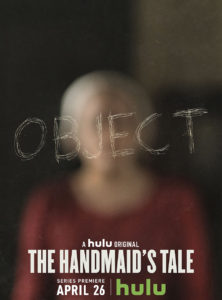
For example, if you’re writing about a character who has a  peanut allergy and you don’t already have personal experience that kind of medical condition, go research why allergies occur, how Epi-Pens work, and what could happen to someone who starts wheezing after they eat something that was accidentally contaminated with peanut oil and then realizes that they can’t find their Epi-Pen anywhere.

One of the things that will make me close a book and stop reading immediately is if the author gets something very wrong about a topic I know a lot about. I don’t expect perfection in every single detail, but it sure is nice when writers at least attempt to get the facts straight.

6. Only Reading Books in Your Genre

Last year I wrote an entire blog post about why everyone should at least occasionally read books that aren’t from their favourite genres.

If anything, I believe this even more firmly now than I did back then. There is nothing wrong with loving one or two genres, but I’ve seen the difference between authors who only read books that are from the genre they write in and authors who have branched out into other types of storytelling.

Every genre has areas it excels in and other areas that it usually handles poorly or even ignores altogether. It is only by moving from one genre to the next that you will begin to see what your favourite genre is and isn’t good at discussing.

7. Even Worse, Not Reading Books at All

I’ve met a few writers who have stopped reading anything that isn’t directly related to whatever project they’re currently working on.

While I completely understand being crunched for time, reading well-written fiction is almost as important as attempting to write it yourself. One of the best ways to learn how to write well is to read essays, stories, or books from authors who have spent years perfecting their craft.

They say you are what you eat. I say that you are also what you read, for better or for worse.

How about you? What do you think are seven deadly sins of writing? Come tell me about it on Twitter.

Comments Off on The 7 Deadly Sins of Writing

Filed under Writing

Suggestion Saturday: June 3, 2017

Here is this week’s list of comic strips, movie recommendations, poems, short stories, and other links from my favourite corners of the web.
The Heterosexual Pride Flag. What would such a thing look like? This artist has a lot of ideas about that.

Sun, Moon, Dust. What a unique spin on the fantasy genre!

Allergy Season. If you’ve been sneezing away the last couple of months, this link is for you.

Shady Democracy via ‪MsLake1‬. All of these satires sound excellent. I’m especially interested in watching “The Confederate States of America.”

Does Practicing Gratitude Mean Ignoring the Negativity? via ‪theerailivedin‬. I’ve been thinking about writing a post about this for a while now. This post said everything I was planning to say and then some!

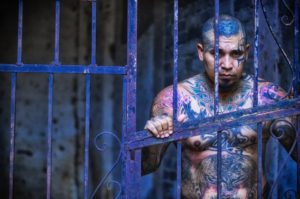
Incarceration Does Not Fix Criminals. This Is Why. via JMRobison‬. This was so interesting. I wonder if the U.S. will ever become less punitive towards people who break the law there?

The Addicts Next Door. What a story! I can’t imagine living in a community like this. It must be incredibly difficult.

From Abandoned Farmhouse:

He was a big man, says the size of his shoes
on a pile of broken dishes by the house;

Comments Off on Suggestion Saturday: June 3, 2017

Filed under Suggestion Saturday

The Handmaid’s Tale: A Woman’s Place


This post includes spoilers for “A Woman’s Place”
 (Season 1, Episode 6) of The Handmaid’s Tale. As usual, the link on the left has full summaries of all of the episodes that have aired so far. 
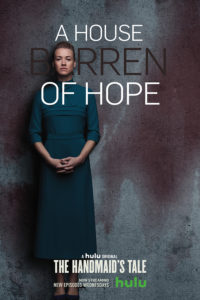
This post is going to be divided into two sections to discuss what went on with Serena Joy and Offred in episode 6. Both of these characters had a lot going on with them this week, so let’s dive in!

Serena Joy

As I’ve mentioned in previous posts about this series, Serena Joy has been an extremely difficult character for me to like. She has brief moments where she is bearable while she’s painting pictures or working in her garden, but the way she’s treated Offred so far has been unconscionable.

They are both women who are trapped in a violent, misogynistic world that values them only for the children they will either bear or be given to raise. No other part of them matters in any way. Up until this point, I’ve been assuming that Serena at least had a good reason to be so callous and cruel.

It was interesting, then, to have so many flashbacks of what Serena’s life was like before Gilead rose to power. We saw many glimpses of a happy, equal marriage between her and the Commander. Their home was filled with sunshine and joy. No one harmed them back then. If there were any skeletons in their closets, we saw no evidence of them at all.

This was a surprise to me because the current marriage between the Commander and Serena exists in name only. There haven’t been any moments of love, intimacy, or tenderness between these characters whatsoever in the present day. They fulfill their religious and social duties, but they might as well be colleagues or roommates when you look at how they speak to and interact with one another.

One of the other things we learned through this week’s flashbacks was that Serena was one of the people who helped to create Gilead. The stuff she wrote and said about gender roles, traditional marriage, and how society as a whole should operate were used as scaffolding for Gilead.

No sooner were her ideas accepted, though, than Serena Joy herself was rejected and sent back home. The men who listened so readily to her in the planning stages of the coup locked her out of the conversation as soon as they got things rolling.

The disappointed and stunned faces Serena made when all of this was playing out clearly showed that she’d been expecting to remain part of the inner circle. I found it hard to sympathize with her once I realized exactly how much work she’d put into creating the society that eventually trapped her.

This was the world she argued was the best possible one over and over again. Did she really expect to be given a pass to keep writing books and giving speeches once she’d helped to recreate such a harsh place? Why did she think she’d be treated any differently or any better than any of the other women in their society? How could she turn her head away from other people’s suffering for so long and then act shocked when her own suffering was quietly brushed under the rug as well?

All of the questions ran through my mind during the banquet that Serena Joy organized for the Mexican ambassador whose visit framed so many of the scenes this week. While the Commander was trying to figure out a way to set up trade with Mexico before Gilead’s economy collapsed, Serena figured out how to seal the deal given the small scraps of power she still possessed.

She did it with their most precious resource: the children the Handmaid’s had provided and created for them. A few dozen healthy, happy children caught everyone’s attention as soon as they were paraded in front of the attendees at a banquet that was thrown for the ambassador, the high-ranking members of Gilead, and any Handmaid who didn’t bear visible scars of the tortures they’ve endured so far.

If Handmaids could give Gilead children, Mexico might just be willing to buy them to bear children for their nation as well. This was one plot twist that I definitely didn’t see coming. It makes me shudder to think about how the Handmaid trade would work and how Gilead would make sure they had enough Handmaids for both personal use and to sell for a profit.

My best guess is that Gilead will begin either dramatically expanding the types of “crimes” that will turn a woman into a Handmaid or raiding nearby villages for freeborn women to capture and sell.

I hope we get more opportunities to explore Serena’s past in future episodes. While I don’t like her at all right now, these glimpses of her previous life have helped me to understand her coldness and lack of empathy a little bit.

Offred

One of the things I disliked about Offred’s character in the book was how passive she was. Yes, she was no doubt horribly traumatized by the things she experienced. In no way am I trying to downplay how that can affect a person’s behaviour, but I always wished that she’d at least occasionally push back against her tormentors.

This week was a rewarding experience for me because of this part of her history. Our Offred is beginning to fight back in bigger ways than she ever has before.

Her first introduction to the Mexican ambassador was as stilted as you might expect. She answered all of the ambassador’s questions about what life was like as a Handmaid with diplomacy and pretty falsehoods. I desperately wanted these characters to meet again so that Offred could tell the truth about the severe sexual, emotional, and physical abuse that she’d experienced repeatedly over the past three years.

This was another point where the plot surprised me: the Mexican ambassador didn’t care about Offred’s suffering at all. Like Serena Joy, she was completely indifferent to other people’s pain. If institutionalized rape and torture was what it took for Mexico to begin having live births again, she was more than willing to sign other people up for that.

I spent so much time feeling confused and horrified by the ambassador’s indifference that it took me a second to realize her assistant didn’t agree with her at all. The message he passed on to Offred in the final scene made my heart skip a beat: Luke was still alive. If Offred wanted to, she could send him a message through the assistant.

Scenes like this make me glad I avoid as many spoilers for this show as I can. I never would have guessed this would happen, so it was wonderful to learn that Luke was safely out of the country at the same moment Offred did.

How did he avoid getting shot to death in the first scene of this series? Was he ever even shot? Who helped him get out of the country? Will they be reunited? What happened to their daughter?

I have so many questions and so few answers at this point. I love the fact that this show is pulling away from the book and forging its own path, though. Next week’s episode can’t come soon enough.

Previous posts in this series:

5 Things I Want from The Handmaid’s Tale

Introducing Offred’s World

Gender Treachery

Nolite Te Bastardes Carborundorum

Faithful

Comments Off on The Handmaid’s Tale: A Woman’s Place

Filed under Science Fiction and Fantasy

Why I Love to Read Speculative Fiction

Speculative fiction is an umbrella term for everything from science fiction to dystopians, fantasy to horror.

I’ve been thinking a lot about speculative fiction in general since The Handmaid’s Tale began last month. This specific storytelling style has appealed to me for as long as I can remember for several different reasons.

Honesty

Books like 1984, Animal Farm, or Brave New World reveal the ugly sides of the systems, societies, or cultures they’re critiquing without hesitation. Do they offend some people along the way? Yes, without a doubt. It wasn’t necessarily their original goal, but they’re not afraid to ruffle a few feathers while attempting to get their audiences to wrestle with the big issues that authors in this genre often explore.

I love that about these tales. There are times when I’m in the mood for something light and fluffy, but my first literary love will always be tales that rip off the parts of human society that are hidden and reveal everything they’re trying so hard to conceal.

It definitely isn’t easy to write an entertaining story that also challenges people to rethink their assumptions. When an author manages to pull this off, it’s truly magical.

Critical Thinking

One of the things that irritates me the most about many news networks in the United States is how sensationalized they are. All of their repetitive panic over serious and frivolous stories alike dulls the senses and makes it extremely difficult to think critically about what the newscaster is reporting. When everything is an emergency, nothing is an emergency.

I avoided the news as much as possible when I lived in the U.S. Now that I’ve been an expat for a dozen years, I find it overwhelming when I’m back in the States for a visit.

The nice thing about the more serious side of speculative fiction is that a well-timed plot doesn’t leave room for these kinds of diversions. Yes, there are scenes in The Handmaid’s Tale that draw me into deep thought every time I read about or watch them. These scenes not about assuming the worst or blowing things out of proportion in order to snag people’s attention, though.

Everything that was included in that particular book has actually happened at least once in the past. Some of the plot points have been repeated over and over again throughout history as we try and fail yet again to learn our lessons and improve on how previous generations behaved.

Speculative fiction can push readers to sort through the various points of view in their plots, decide which ones make sense, and come up with our own theories about what happened and how we should interpret fictional stories that have something to say about real-world events.

Wonderment 

First of all, isn’t wonderment a fantastic word? It’s the kind of word that I like to gently roll around on my tongue a few times before I bother to share it with anyone else.

All of the genres I mentioned in the first paragraph of this post are full of wonder in their own way. For example, I will never forget how I felt at the beginning of Harry Potter and the Sorcerer’s Stone when dozens of invitations to Hogwarts appeared at the Dursleys house after Harry’s uncle destroyed the first few that arrived.

Seeing the Dursleys react so strongly to simple magic makes me grin every time I see it. If only they could have seen the more powerful, playful, and sometimes downright dangerous types of magic that Harry encountered once he started attending Hogwarts!

This sense of wonder stuck with me through all of the Harry Potter books. Even the darkest and saddest scenes in Harry Potter and the Deathly Hallows still tickled my imagination in small ways. Once wonderment has been introduced into a story, it almost always remains there for good.

Escapism

Yes, I know that some people use this term in a derogatory way. I don’t think of escapist literature as a negative thing at all, though.

There is something to be said for immersing yourself in a completely different world when you need a short break or could use some encouragement.

The first time I read the Lord of the Rings series was shortly after my life had changed in all kinds of stressful ways due to a cross-country move my family made when I was a preteen. I had a lot of  trouble making friends and adjusting to my new school.

I was not a happy kid at that point in my life by any stretch of the imagination, but I found a lot of solace in seeing how Frodo and Sam persevered through even the most impossible circumstances.

We weren’t facing the same obstacles, but we were facing the same fears. If they could push through another day, then I could as well.

How about you? Why do you love speculative fiction? I hope you’ll pop over to Twitter today and tell me all about it!

Comments Off on Why I Love to Read Speculative Fiction

Filed under Science Fiction and Fantasy

Suggestion Saturday: May 27, 2017

Here is this week’s list of comic strips, legends, poems, and other links from my favourite corners of the web. It’s another one of those big lists where I couldn’t bear to trim anything out because everything was so good.
The picture on the left isn’t actually related to any of the links this week. I broke that rule this time because I was so fascinated by the idea of pouring water on a lightbulb. It seem like something a small child would do once, get in big trouble for it, and then maybe joke about it 20 years later.

Spring is a State of Mind. One of the reasons why I love this time of year so much is that we go from about 9 hours of sunlight a day in the winter – most of which are usually covered up by a thick layer of clouds – to more than 15 by the end of June. All of that extra light makes me ridiculously happy.

The Rise of Grok (or How I Learned to Embrace My Ignorance) via JamesTheo. Why is it so hard for people – including myself – to admit when we don’t know something? This post explores that issue in depth.

How to Cure a Werewolf. Who else loves creative stuff like this? I’d never heard of this twist to werewolf mythology before.

When Your Child Is a Psychopath. The headline is a little sensationalistic, but the article itself is excellent.

Yesterday via ‪CarlBusbySr‬. On the dangers of too much nostalgia.

My Grandmother’s Desperate Choice. I wonder how many other people have stories like this hidden in their family trees?

How to Find the Original Source of Online Images. All of the pictures I feature on my site are either in the public domain, don’t require citations, or include links back to the original site if that’s what the owner wants. This is how you figure out where that cool picture originally came from so you can properly cite the images you want to share as well.

The Bipolar Friendship Manifesto via ‪GumOnMyShoeBook‬. This was interesting.

From Stung:

She couldn’t help but sting my finger,
clinging a moment before I flung her
to the ground. Her gold is true, not the trick
evening light plays on my roses.

Comments Off on Suggestion Saturday: May 27, 2017

Filed under Suggestion Saturday

The Handmaid’s Tale: Faithful

This post includes spoilers for “Faithful” (Season 1, Episode 5) of The Handmaid’s Tale. As usual, the link on the left has full summaries of all of the episodes that have aired so far. This post is my reaction to what happened. 

I was happy to see the pacing pick up this week after the slower storytelling we saw in Nolite Te Bastardes Carbundorum. Offred was finally back to her usual routine after her long punishment.

This episode has been my favourite one so far. None of the storylines have ever felt discordant, but they were woven together especially beautifully this week.

I particularly enjoyed seeing Offred run into Ofglen at the grocery store. Ofglen – who is now known as Ofsteven thanks to her reassignment to a new home-  wasn’t a character I was expecting to see again so soon after her clitoridectomy, so it was pleasantly surprising to have her suddenly show up again.

We knew there was some kind of underground resistance to the society that Gilead created, but this week we got to learn its name: Mayday. Now that Ofsteven is considered too risky for them to use to pass around information anymore, I’m guessing that Ofglen will take her place if she can figure out who else is part of Mayday and how to get an invitation to it. No, I haven’t been reading spoilers for future episodes. I avoid them as much as is humanly possible. This is pure conjecture on my part.

Speaking of Ofsteven, her character development was excellent. She was so quiet, stiff, and subdued in her first few scenes that I never would have guessed the violent turn she’d take later on in the storyline. After she stole the car of one of the men guarding the market and ran over another guard, I remarked to my spouse that I thought this was a suicide attempt instead of an escape. There was nowhere for her to go due to the tight quarters of the market, and she didn’t seem calculating enough to get away even if there had been a convenient side street for her to drive down.

I liked the contrast between Ofsteven and the new Ofglen. (I will call her Ofglen2 to make this less confusing). I never would have guessed that any Handmaid would be content in her position, much less be desperate to hold onto it. Ofglen2’s story about being a prostitute who had to scrounge up a few dollars to afford fast food after turning a trick was brutal. Was it true, though? At first I honestly wondered if she was an Eye who had concocted this story as part of a plan to gain intel on Offred. Offred has already been questioned and tortured, though, so at this point I’m going to assume that Ofglen2 is telling the truth until or unless new facts emerge.

The Ceremony was as brutal as ever this week. I genuinely don’t understand how Commander Waterford can perform sexually with a Handmaid who doesn’t consent and a wife who looks traumatized every time it happens. These aren’t scenes I ever want to watch again, but the acting in them is brilliant.

While I already knew that Offred’s husband was married to someone else when they first began dating, seeing them together in flashback scenes gave me mixed feelings. She is a character I’ve grown to love, but watching Luke cheat on his spouse with her made my stomach turn. They were so flippant and unapologetic about it. They also had a lot of chemistry. If that act hadn’t been a violation of Nick’s vows, I would have been cheering for them.

I’m hoping that this will be explored in more depth either in this season or in a future season. Will we get to meet Luke’s first wife, Annie, and maybe even find out what happened to her? I sure hope so.

My thoughts about Serena Joy remain as complicated as ever. She is stuck in what seems to be a pretty joyless marriage,  she hasn’t been able to get pregnant (although I’m pretty sure that the Commander is the infertile one at this point, not her), and she seems incredibly bored and frustrated with her life.

And yet she treats the other women in her household so coldly. Based on how she’s spoken down to and treated Offred in the past, I get the impression that she’d turn on anyone in an instant if it benefited her. There is no real sense of camaraderie among any of the women in the house unless you count Serena Joy arranging for Offred to sleep with Nick, the family driver, in an attempt to make a baby. Even this act was selfish, though, and would never have been allowed if Serena couldn’t gain something priceless from it.

The sex scenes between Offred and Nick were my last surprise of the week. I winced during the first one because Serena Joy decided to stay in the room while it happened. I suppose she did it to protect them from anyone who might have come to talk to Nick while he was inseminating her, but it made the whole thing almost as awkward and creepy as the Ceremony itself.

Then there was their late night tryst. After 5 episodes of Offred being raped, it was bizarre to see her having consensual sex. I also thought this scene was a nice complement to the first time she slept with Luke. Both of those experiences would have gotten her in deep trouble if anyone had discovered them, and yet both of them gave her a lot of pleasure.

We are halfway done with season 1 of this show now. I am so grateful that there is a second season in the works. As much as I like what they’ve done with it so far, I get the impression that there are going to be many loose strings remaining after the season finale.

Previous posts in this series:

5 Things I Want from The Handmaid’s Tale

Introducing Offred’s World

Gender Treachery

Nolite Te Bastardes Carborundorum

Comments Off on The Handmaid’s Tale: Faithful

Filed under Uncategorised

3 Reasons Why You Should Meditate Outdoors

I’ve slowly been trying to incorporate more meditation into my routine after the long break I took from it earlier this spring.

This spring has been a chilly, wet one so far here in Toronto. We’re only now beginning to have a few days in a row where it hasn’t rained and the temperature has been above 10 degrees Celsius (or 50 Fahrenheit for those of you who live in the United States).

Along with continuing to meditate in noisy places, one of my goals for this summer is to sit and meditate outside once the weather warms up a few more degrees and it’s no longer quite so uncomfortable to sit still on a cold bench on a cloudy day.

I’ve been meditating during long walks in the meantime. It’s actually the first technique I used when I began meditating years ago, and it’s still something I find soothing when I’m having trouble staying focused while sitting down.

There are three basic reasons why I love outdoor meditation so much, and today we’re going to explore them.

Reason #1: Natural Background Noises Aren’t as Distracting

When I’m meditating at home, I might hear thumping music from the apartment next to mine, a distant argument from the other side of the hall, the thud of something heavy being dropped on an uncarpeted floor, the ding of an elevator door, or any other number of other miscellaneous noises. The building I l live in is wonderful in many other ways, but preventing sound from travelling is not one of them.

Can I filter these things out when necessary? Absolutely, but I find the rustle of leaves or a bird singing to be much less distracting than the sound of other humans living their lives. If I’m already struggling to focus on clearing my mind of all thoughts, it’s nice to remove that extra layer of stuff that is competing for my attention.

I don’t know about you, but I also find it easier to tune out the sounds of nature in general. My brain might register that birds are tweeting, but I don’t consciously think about them the same way I would if I heard a conversation happening in the background that I could almost – but not quite – make out.

Reason #2: Nature Is Soothing

Few things lift my mood faster than going somewhere where there aren’t any buildings, roads, shops, or billboards to be seen. I love taking a brisk walk on a shady path or watching squirrels run around looking for food.

There is something incredibly relaxing about being surrounded by so many different species of plants even if they have been planted, manicured, or kept up by humans in some way. Visiting a large national park where everything there looks more or less the same as it did a thousand years ago is exciting, but I also find joy in visiting parks that have sidewalks, benches, and large fields of recently-mowed grass.

This is one of the many reasons why I love trees. Other than trimming off the occasional dead branch, there aren’t a lot of things you can do to a tree to make it less wild. A mature oak is going to look roughly the same no matter where it’s growing or what has happened around it. There is something beautiful and soothing about that.

(I’ve joked about being a friend of the Ents in the past. Maybe there is a kernel of truth to that in the sense that i have a strong affinity for trees.)

Reason #3: It’s a Smart Idea to Practice Meditating Under Many Different Circumstances

The biggest reason why I began occasionally meditating in noisy places last winter is that I wanted to expand the number of places where I could meditate.

You will not always be able to meditate in a cool, clean, quiet room that is free from every distraction.

While no one in my family is currently ill, I want to be able to meditate in a hospital waiting room if necessary while we wait to hear word from the doctor.  I also want to be able to meditate in cramped airplane seats, hard park benches on warm summer days, dusty rooms, and anywhere else I could possibly need to slow down my thoughts and live in the moment.

Meditation isn’t something that’s only supposed to work when you’re having a good day. The benefits of it extend to every part of the human experience if you do it regularly.

Hopefully I won’t have to meditate when I’m feeling physical or emotional discomfort anytime soon, but I’d like to be well-accustomed to breathing through all kinds of different circumstances when that does happen again in the future. Think of it like practicing a speech over and over again before you present it to your audience. You’ll probably still feel nervous when the big day comes, but at least you’ll know the material inside and out.

If you haven’t tried outdoor meditation yet, I hope this post has encouraged you to give it a try. It is a wonderful addition to all of the other forms of meditation out there. I can’t recommend it highly enough, and I’ve only just begun to explore its possibilities!


Comments Off on 3 Reasons Why You Should Meditate Outdoors

Filed under Mindfulness and Meditation