
Armistice 100: Thoughts on World War I

Photo description: a field full of poppies.

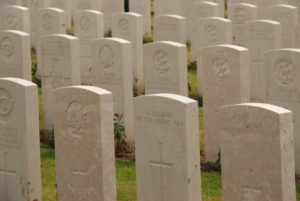
Yesterday was the 100th anniversary of the end of World War I.

In commemoration of this, I’m using today’s post to talk about what my ancestors were doing during that war and share a touching video that was filmed by a former soldier who returned to his old battlegrounds about a decade after he’d originally fought there.

I’ve chosen not to include the names of my ancestors in this post for privacy reasons. If you’re peering at your family tree and wondering if we’re related or if our ancestors might have known each other, I’d be happy to share more details in private.

Mom’s Side of the Family

All of the great-grandparents on my mother’s side of the family were infants or children when World War I began. They were born to various German Mennonite farmers who lived in the midwestern United States, so none of their fathers or other male relatives were soldiers.

This meant that not only did all of my great-great-grandfathers survive the war and remain with their families, they also were able to provide basic food and shelter to their loved ones for the entire duration of it. While some of their fellow church members were imprisoned for refusing to fight, I believe those ancestors might have been given exemptions due to the large families they needed to support and the vital roles they played in producing food for the nation in general.

World War I wasn’t a pleasant experience for anyone, but my mom’s side of the family seemed to have much better experiences with it than many people did back then.

Dad’s Side of the Family

Trigger warning: abuse

I know less about my father’s side of the family, especially during these years. Those ancestors were all still living in Germany at the time, and many of them were rarely if ever willing to discuss their pasts for reasons that will soon become clear.

One of my paternal great-grandfathers was a soldier during World War I. He was shot in the leg and, according to family legend, used spider webs to pack the wound. Spider webs were traditionally used in many cultures to treat wounds back then. They are said to contain anti-fungal and antimicrobial properties. The vitamin K in spider webs may also help reduce bleeding.

Even with the help of this home remedy, the infection he developed in that wound was so serious that he nearly lost his limb. Since this happened more than 20 years before antibiotics became available, I’m honestly surprised that he survived…much less kept his leg!
That is the only story I know from that portion of his life. He took everything else with him to the grave. While his body survived the war without any catastrophic injuries, his mental health was severely affected by the things he experienced during those years. He became physically and emotionally abusive and remained that way for the rest of his life.

This great-great-grandfather died long before I was born, but I still saw the damage he caused lingering on decades after his death. I share this not to speak ill of the dead but to be honest about the true costs of war. Sometimes it’s horrific.

Today I can’t help but to wonder how the lives of his descendants would have turned out differently if he’d either never been through that trauma or lived in a time when he could have gotten real help for the things that plagued him before he became abusive.

The Spanish Flu and My Ancestors

To the best of my knowledge, none of my ancestors contracted the Spanish Flu in 1918. There are no reports of deaths from it in our genealogical records and no stories about anyone being sickened by it either so far as I’m aware.  That surprised me a lot given how many people were affected by it worldwide. My great-grandparents and their relatives were all very lucky in this regard.

Colour Footage of the Western Front & Northern France

I’ll be ending this post on a cheerful note. The video below is titled And in the Sky the Larks: 1920s Colour Footage of the Western Front & Northern France.

It was originally shot in 1928 by a man named Charles W. Bridgen who had been a L. Corporal in the 7th London Battalion. He survived battles in Ypres and the Somme. About a decade later he returned to visit those places in peacetime. The resulting footage is hauntingly beautiful. There are even some shots of a wedding that took place in one of the spots he was filming in.

I’d like to thank my dad for sharing it with me recently. It was a touching tribute to what must have been a very meaningful trip for Mr. Bridgen.

What Were Your Ancestors Doing During World War I?

I’d sure like to hear any stories your families might have passed down about them.

 

8 Comments

Filed under Personal Life

Suggestion Saturday: November 10, 2018

Here is this week’s list of blog posts, comic strips, and other links from my favourite corners of the web.

Cats Don’t Work Without Internet. Could it also be argued that the Internet doesn’t work without cats? I’d say yes.

The Room via SDJackson85. . This one is for a certain sibling of mine who reads this blog and loves doing construction projects on his home. May he never stumble across anything like this during a future project. Ha!

Books I Want to Read via bjornlarssen. My new friend, Bjorn, wrote this last week in response to something I wrote at the end of October. How cool is that? He included a link to my post at the end of his, so I didn’t feel the need to do it again here. Definitely go check out his post, though. He has excellent taste in books.

The First 10 Thoughts I Had: USA via Fushiee_. If you live in the United States or have ever travelled there, this is a must-read.

Why We Forget Most of the Books We Read. Honestly, this is something that has mildly irritated me for a long time. It’s nice to know I’m not the only person who forgets most of the novels I read.

From A Brain Scientist Who Studies Alzheimer’s Explains How She Stays Mentally Fit:

And she realized early on that puzzles and games weren’t the answer because they tend to focus on one very narrow task. The result is like exercising just one muscle in your body, Langbaum says. That muscle will get stronger, but your overall fitness isn’t going to change.

Leave a Comment

Filed under Suggestion Saturday

5 Stories That Need a Prequel

Last week I was scrolling through the list of new ebooks at my local library and stumbled across a title that made me grin. Marilla of Green Gables: A Novel by Sarah McCoy was written to tell the story of Marilla Cuthbert’s life before she and her brother became the permanent guardians of Anne Shirley.
As a lifelong fan of Anne of Green Gables and the many sequels to that tale, I’ve often wondered why Marilla was such a stiff and proper woman when she first met Anne. L.M. Montgomery only gave a few hints about Marilla’s childhood, and most of them were vague.

While I wait for a copy of this prequel to become available at the library, I thought it would be interesting to list some other books that would benefit from a prequel to explain things in them that their original versions never got around to describing in full detail to the audience. Some of them I’ve discussed on this site in the past, while others are brand new these types of posts.

There are mild spoilers to follow in this post for certain titles, so reader beware.

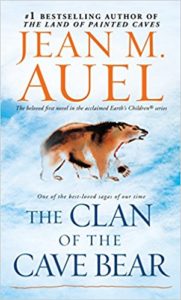
1. Clan of the Cave Bear by Jean M. Auel

This first book in the Earth’s Children series began with a five-year-old child named Ayla getting lost in the woods after an earthquake killed her parents about 30,000 years ago in ice-age Europe. It probably would have been unusual for parents to be travelling alone with such a young child, and it would have been unthinkable for someone so young to survive long at all in the woods by herself.
It bothered me when this series ended without any resolution for who the main character’s original people were or why her parents were travelling alone with her when they died. Based on how many different tribes she met as an adult and how small and interconnected the human population was in general in this universe, I would have expected someone to remember hearing something about a young family disappearing without a trace a decade or two before.

Well, either that or Ayla was actually the daughter of time-travelling scientists who hadn’t made contact with ancient humans at all before their untimely deaths. But if that theory is true, why would they take a child on such a dangerous trip without at least bringing a few more adults along to help look after her and gather data about what life was really like back hen?

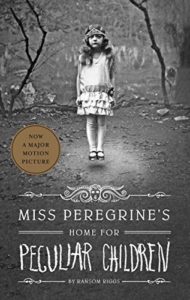
2. Miss Peregrine’s Home for Peculiar Children by Ransom Riggs.

Since Ransom Riggs is still writing and publishing new portions of this series, I hope he will eventually dive into the history of what life was like for Miss Peregrine and other Peculiars before they were forced to hide in time loops.
I’d imagine that there is a massive difference between having to relive the same day over and over again for decades to avoid being eaten by Hollowgasts (a violent monster species in this universe) and choosing to do so.

It’s hard to imagine what life was like for the Peculiars before their lives were constantly put into terrible danger. I’d like to think they had peaceful and creative existences at one point in their history.

The development of the current plot line in these books has been fantastic so far. I’d simply like to see the same attention paid to how all of this began in the first place. If that ever happens, this might become my favourite young adult series of this century.


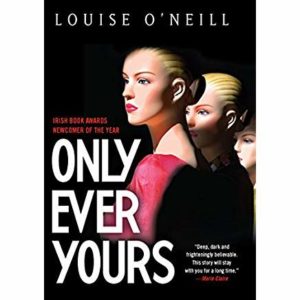
3. Only Ever Yours by Louise O’Neill.

There are a lot of things I have to avoid saying about this book in order to avoid giving away any spoilers for it.
Freida, the main character, had spent her entire lifetime being groomed to be the perfect wife for a man she’d never met. She was raised in an environment that was very similar to a boarding school or other institutional setting. Along with her classmates, she lived, studied, exercised, and relaxed within the same four walls.

The audience quickly learned that all women in this society are raised in these school but that none of the men are. While I can’t give you any details about why this society was set up that way, I will say that I really wish we could have a prequel to this tale that explained more clearly when and how men and women were separated this way.

There was so much ground left to cover on that topic by the time I finished this novel. It could more than fill out the pages of a full-length prequel.

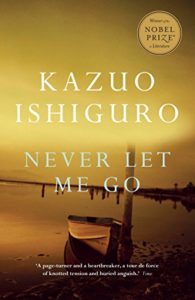
4. Never Let Me Go by Kazuo Ishiguro.

Once again, the main character of this book grew up in a boarding school sort of place that had strict

rules about what their students were allowed to do. Unlike Only Ever Yours, these characters had no idea what their fate would be when they grew up.
All they knew was that they were special for reasons their instructors never went into detail about.

Just like in the previous section of this post, I can’t go into many details about what was really happening in this universe other than to say that all of those adults weren’t feeding, educating, and protecting hundreds of children out of a sense of goodwill for our species. There were dark reasons for their actions that eventually began to come to light, but never to the degree I would have liked them to.

This was the sort of social experiment that I really thought should have been fleshed out in greater detail. If it were to actually happen in real life, there were be a lot of people who were vehemently opposed to it every step of the way.

Realistically speaking, how did the folks who created this system deal with the protestors? Did they keep it top secret, or did they find more violent ways to suppress the opposing side?

A prequel would be the perfect place to show how the idea for this school first took root and why it was allowed to continue.

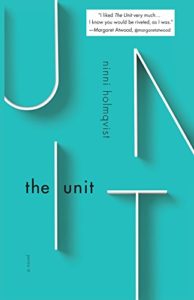
5. The Unit by Ninni Holmqvist. 

Yes, I know I’ve blogged about this one before. It’s been so long since my last mention of it that I simply had to bring it up again since this is the sort of story that haunts me long after I’ve finished the final scene.

For those of you who haven’t read it yet, The Unit is about a futuristic version of America where women over the age of 50 and men over the age of 60 who haven’t met specific milestones like getting married or having children are forced to donate their organs and other tissues to people who need them. Yes, this included organs that one can’t live without like the heart.

What frightened me the most about this world was how realistic it felt. Forced organ donations are already known to be happening in certain parts of the world today. While it still feels unrealistic for it to occur in North America where this tale was set, I would have loved to know how such a system was sold to the population at large in a fictional version of the United States.

Would the general public have believed that these people were dying willingly to save strangers? Had this group of people been so dehumanized that average folks no longer thought of them as fellow human beings? I had so many questions about how this system had been sold to society in general that were never answered. A prequel would be the perfect way to finally know how and when the protagonist, Dorrit Weger, and all of the other people sent to The Unit were marked as dispensable without anyone fighting to save them.

What stories do you wish had a prequel?

2 Comments

Filed under Science Fiction and Fantasy

The Best Fitness Advice I’ve Ever Received

There is so much conflicting information floating around out there about fitness, nutrition, and various types of exercise. Today I’m going to be talking about the best fitness advice I’ve ever received. I’m not a doctor or other medical provider, so this post is not written in order to give health or medical advice to anyone. It is only meant to share my personal experiences on this topic.
1. Don’t Ignore Pain

There’s a massive difference between  feeling fatigued from a certain type of movement and hurting because of it. Pain is a sign that something has gone or is going wrong. On the rare occasions that I feel this sensation while working out, I stop immediately.

2. Make Healthier Options the Easiest Ones

This is a trick I use for my diet as much, and even more so during the holidays when sweets are everywhere, as I do for my fitness goals.

It’s easy to stick with an exercise routine or a healthy eating plan on a great day when everything goes according to plan. Continuing to do so on days when my plans have been interrupted or I’m dealing with unpleasant surprises that make skipping that workout or ordering in fast food unbelievably appealing is another story.

If I already have healthy leftovers sitting in the fridge, I’m going to be less likely to go out and buy something that won’t provide the vitamins and minerals I need. As far as my fitness goals go, I live in a highly walkable neighbourhood and try to do as many of my normal errands on foot as possible. Those five or ten minute trips add up to a lot of low-impact exercise over time.

3. Pick Activities You Enjoy

For example, I love to go swimming. It’s not an activity I do very often for logistical reasons, but when I do get a chance to swim I’ll happily spend hours in the pool. At times, I’ve even fantasized about what it would be like to be able to sleep while floating in a friendly body of water. (No, this blog is not written by a mermaid, although that might be something a mermaid would write if they actually existed and didn’t know how to sleep in the water since they’d been raised on land).

4. Be Patient

Reaching any fitness goal takes time and effort. I know that I’ve often wished I could build muscle quickly, but that’s not how it works….especially for thin and petite women like me!

5. Create Multiple Backup Plans

A few years ago, I made plans to go on a low-key hike on a specific spring weekend when the weather is generally gorgeous here in Ontario.

Then it rained that weekend. I’m not talking about a light drizzle, either. There were thunderstorms and lightning everywhere.

It happened again on my backup date, and then yet again the next couple of times I tried to reschedule those plans. I don’t remember whether that hike ever happened or not, to be honest with you. What I remember most clearly from that experience is how frustratingly funny it was to see the weather report change to a high risk of thunderstorms on every single day I was hoping to spend some time out in nature.

This is a story I think about when I’m brainstorming various ways to include physical activity in my vacation plans or deciding how to get back into the habit of exercise after an injury or illness. If one idea doesn’t work, I always have two or three alternates tucked into the back of my mind.

6. Stick to the Routine, Including Rest Days 

If it’s a workout day for me, I’m going to be getting that exercise in unless I’m sick, injured, or (very rarely) are travelling and legitimately can’t make my goals that day due to how many hours I’ve spent on an airplane, train, or bus. On rest days, I take things easy no matter how much I’m itching to do something more active with my time than walking or other low-impact forms of movement.

The longer these habits have had to form, the easier I find it to follow the routine. There is something reassuring about always knowing what that part of my day is going to be like no matter what else might be happening before or after it.

What is the best fitness advice you’ve ever received?

4 Comments

Filed under Fitness

Suggestion Saturday: November 3, 2018

Here is this week’s list of blog posts, articles, and other links from my favourite corners of the web. There were a lot of news articles this week because I kept stumbling across great ones.
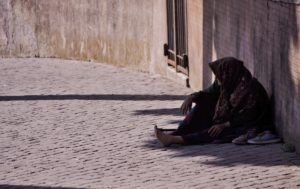
The Not so Invisible Problem via tjtherien. This post is several years old, but the problem it talks about still hasn’t been solved. This issue definitely isn’t unique to Toronto. A lot of places struggle with it, and I hope we find better solutions for it soon.

Regency Era Etiquette for the Sick. Honestly, a lot of this is good advice for 2018, too.

Views from the Road: The Kindness of Strangers via marieannbailey. What a tear-jerker. I always appreciate hearing stories about humans going out of their way to help strangers without any expectation of being rewarded for it.

What I Learned from Turning My Notifications Off via bamblingsofnafy. How many of you have turned your notifications off? I don’t think this is something I’d be able to do permanently or regularly, but I am intrigued by the idea of it in general.

Acting Like an Extravert Has Benefits, But Not for Introverts. Honestly, this should be common sense, but I’m still glad to see research being done on it.

The EU Is Right – 2018 Should Be the Last Time the Clocks Go Back. Agreed. Now to get this idea so much exposure that every country ends daylight savings time.

No Such Thing As Too Much Exercise, Study Finds. I found this a little surprising. What do you all think can or should be done to encourage people to exercise more in whatever ways they’re able to?

Microplastics Found in 90 of Table Salt. Wow, this is gross. The good news is, they haven’t found any health effects from it so far.

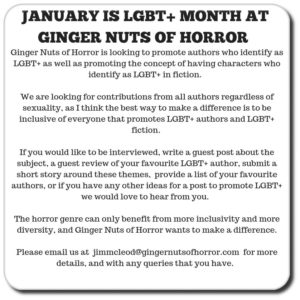
Finally, I have a call for submissions and guest posts to share with all of you.

If you can’t click on that link, here’s an embedded version of what they’re looking for:

And here is a summarized version of the text for anyone who needs it:

Ginger Nuts is a horror blog that is looking for LGBT+ authors as well as authors who write LGBT+ characters to be featured on their site through interviews, guest posts, short stories throughout the month of January 2019. Email them at jimmcleod @ gingernutsofhorror DOT com for more information or to recommend people you know who might be interested in this opportunity.

I can’t wait to see what kinds of stories, interviews, and other features they publish in a few months. How cool.

Leave a Comment

Filed under Suggestion Saturday

Holiday Topics I Wish More People Would Blog About

Can you believe it’s November already? It feels like January ended last month, and yet here we are moving quickly into the 2018 holiday season.

As someone who doesn’t observe any winter holidays other than nodding slightly in the direction of the winter solstice since it means the days will soon be filled with more light, this might seem like a slightly unusual topic choice for me today.

I think there’s something to be said for being aware of the things I’m going to mention today regardless of what you do or don’t celebrate, though.

Trigger warning: while I won’t be going into any details, I will be briefly mentioning issues like abuse and grief in today’s post. (I will also be talking about much happier stuff as well!)

Why The Holidays Are Painful for Some People

To give just a few reasons why someone might find this time of year distressing, some (extended or nuclear) families are:

  • Abusive or neglectful
  • Grieving over the loss of one or more members
  • Separated for financial, medical, career, legal, or political reasons
  • Estranged
  • No longer in existence

When someone is in this situation, it can be difficult to be surrounded by so many images of and references to happy, intact families between now and the end of the year.

In no way am I trying to discourage people who have never experienced this from sharing stories of visiting safe, appropriate, and living relatives.

It makes me happy to see all of the joy in their lives, but I’d also love to see more posts from people who have had to limit or end their relationship with certain relatives for safety reasons, who live far away from their loved ones, who don’t have families, or who will not be doing big familial celebrations for other reasons. These stories are important and need to be told if the bloggers involved in them are willing to share a basic overview of why the holidays aren’t a cheerful time for them.

Chosen Families

On the other hand, not all families are comprised of folks who are related by blood, marriage, or adoption. It is perfectly possible to choose to become a family with people you meet long after you’ve taken your first step or graduated from high school.

As someone who is trying to do this, it would be so interesting to read other people’s accounts of how they assembled theirs.

Navigating Health Problems During the Holidays

My various allergies can sometimes make attending certain functions tricky or even impossible. I’ll often eat before going to certain gatherings to make sure I’m not sitting there with a growling stomach and the inability to eat anything there due to North America’s tendency to toss milk products into so many festive foods.

If someone has a cat, I cannot enter their home for any reason. No, not even if they vacuum really well and banish the cat to their bedroom. It has nothing to do with my opinion of their cleaning skills or cat and everything to do with how difficult it is to get dander out of a couch well enough that I won’t react if I sit on it.

It would be so interesting to me to read other blogger’s stories about how they handled their own health problems or accommodated someone else’s medical needs during the holidays. I’m well-versed in allergies, but I know far less about how other health issues can affect someone’s ability to attend or enjoy an event. It would be helpful to hear what should or should not be done from people who are living with other conditions.

Traditions from Non-American Cultures

One of the coolest things about making friends with so many people who didn’t grow up in rural, (mostly) midwestern portions of United States has been getting to hear stories about all of the traditions that exist in other parts of the world.

Some holidays that are widely celebrated here in North America like Halloween are either totally unknown or barely observed in other places. Likewise, I’ve learned about all sorts of other celebrations that my family didn’t know anything about when I was growing up. These range from major holidays like Diwali to smaller, more regional ones like Saint Nicholas Day.

Creative Gift Ideas

I’d be especially interested in reading posts about gifts that are inexpensive and not a knick-knack.

Those of you who are good at buying, baking, making, or planning personalized, meaningful presents have my admiration. That isn’t an easy thing to do….or at least it’s not for me.

Honestly, the more posts that exist about this, the better. It can be written about for so many different ages and types of interests that the possibilities are truly endless.

Reflections on the Past and Future

What were the highlights of the past year for you? What do you wish had turned out differently? What are your hopes and dreams for the new year?

I know that some bloggers aren’t comfortable sharing such personal details of their own lives, and I respect that. If they’re willing to share, I adore getting these backstage peeks into other people’s lives.

Something I struggle with might be effortless for someone else, but they also might find it hard to do something that I’ve always found incredibly easy. There’s something reassuring about seeing examples of how this works while I hope that next year will be better for everyone no matter what this one was like for them.

What topics do you wish more people would blog about during the holiday season?

Previous posts in this series:

5 Things I Wish People Would Blog About

5 More Things I Wish People Would Blog About


2 Comments

Filed under Personal Life

5 Funny Short Horror Films You Should Watch This Halloween

One of the things I love the most about Halloween is seeing all of the creative things storytellers do with common horror, science fiction, and fantasy tropes at this time of the year. There’s something about the Halloween season that seems to bring out the best in writers, filmmakers, and other creators.
The films in today’s post represent a wide range of subgenres, filming styles, and intended audiences. That was something I did intentionally to increase the chances that all of my visitors would find something that appealed to them. It was also a great deal of fun to find five films that wouldn’t normally be grouped together.

My other major criteria was to find examples of funny horror stories that had as little gore as possible. As I’ve mentioned here before, I don’t enjoy that sort of thing. I’d much rather be frightened by thoughts and feelings than seeing a monster tear someone apart.

I will be sharing mild spoilers about the amount of gore in each film, if any, so you can decide for yourselves which ones you’d like to see if this is also a concern for you.

Happy Halloween

Created byNikhilesh Kumar.

Run Time: 2 minutes, 35 seconds.

Gore Factor: None.

Why You Should Watch It:

It takes years for children to learn the many rules rules of operating in polite society well enough that they can blend in just about anywhere.

I think it’s amusing to observe the process of their minds learning why rules are created in the first place, when it’s okay to bend a rule, why some rules only apply in certain situations, and what happens when someone breaks rules (whether intentionally or unintentionally). The main character in this story is the sort of person who has memorized a specific rule but hasn’t yet figured out why it exists.

Honestly, I have a lot of empathy for that little guy. His predicament was funny, but it also made me wonder how frustrated he might have been getting with the whole process.


The Lonely Slasher: Short Halloween Film

Created byTheThreeLancers. Score by Sam Holmes.

Run Time: 5 minutes, 38 seconds.

Gore Factor: A few briefly bloody scenes. I looked away for a few seconds at one point as my tolerance for gore is pretty low these days.

Why You Should Watch It:

I appreciated this film’s take on why people do the things they do. In no way did it make excuses for The Lonely Slasher, but I did come to understand why his body count was so high. While I wouldn’t necessarily call him a protagonist, there were parts of him that I found relatable on a much smaller scale. I mean, who hasn’t occasionally put their foot in their mouth at the worst possible time or accidentally bumped into a stranger?

The Chebo

Created by:  Ryan McDuffie from Crypt TV

Run Time: 9 minutes, 18 seconds

Gore Factor: Two mildly violent scenes, but no real gore.

Why You Should Watch It:

Miscommunications sometimes happen in every long-term relationship. I was fascinated by how the creator took this concept, turned it into a literal member of the household, and then pushed his creativity to the limits to show what can happen when a couple aren’t on the same wavelength.

Boo – A Short Film About Halloween, Ghosts, and Poop 

Created by: Michael J. Goldberg

Run Time:  11 minutes, 52 seconds.

Gore Factor: None.

Why You Should Watch It:

Not every ghost is necessarily scary in the way you expect them to be. I loved the plot twists in this one after the house sitter first encountered the ghost and was thoroughly unimpressed with what she believed to be his or her costume and persona. It was the total opposite of how I thought the first scene would go, so I couldn’t wait to find out what would happen next.

Also, I think I might have been the only kid in the world who liked receiving those little boxes of raisins. So I never would have haunted this house in the first place.

Welcome Back, Mr. Buzzcock

Created by: Liz Anderson from Crypt TV

Run Time: 4 minutes, 43 seconds.

Gore Factor: Minimal. The camera panned away just before every gory scene actually happened, but it was heavily foreshadowed and implied.

Why You Should Watch It:

There’s always room for more stories about the tensions that can exist between one generation and the next, especially when it makes its point as quietly as this one does. This is something I’d happily show to the next person I meet who starts complaining about how people from a particular generation act.

I also enjoyed the way the secondary characters behaved in this film. Without giving away too many spoilers, they were much more intelligent and aware of their surroundings than most characters are in this genre. I really love it when that happens!

Respond

What is your favourite humorous Halloween short film?

2 Comments

Filed under Science Fiction and Fantasy

Suggestion Saturday: October 27, 2018

Happy Halloween! Here is this week’s gigantic list of blog posts, comic strips, stories, and other links from the scariest corners of the web. I’ve labelled the links that include gory content. If you have other questions about what a specific link contains, feel free to ask.

Imagine the Sound of This, but in the Night. Some people truly don’t like Halloween or the feeling of being frightened. If this applies to you, this link is the most innocent approach to “horror” I can imagine and should be 100% safe for all age groups.

Still an Elf via ‪laura_perras‬. The author of this post was undergoing treatment for cancer during the Halloween season a few years ago. I loved seeing how she found a way to celebrate that acknowledged her health struggles.

Halloween Costumes 101 via CandyKorman. I couldn’t agree with these recommendations more.

Humaine Holidays According to Cat. Are you prepared for  “forbidden chocolotes & doorbell night”? Yes, all of these words were misspelled on purpose. Click on the link to find out why.

Come Play With Us. If you’ve seen The Shining, you might be amused by what could have happened if Danny had decided to go play with the twin ghost girls he met in a hallway one day. Don’t worry, this isn’t a gory link. I would have warned you if it were.

100 Best Horror Novels and Stories. There were a lot of classic novels on this list. That was a nice surprise.

These Screaming Heads in Ontario Are a Must-Visit This Fall. No, there’s nothing gory about this link. It’s an outdoor art exhibit in Burk’s Falls.


Want to Binge Horror Movies This Halloween? Start with These Short Films on Youtube 
via audendj. Ooh, these were good. The only film on this list that had any gory ( implied or actually shown) was The Thing in the Apartment. I’m trying to straddle the line here between avoiding spoilers and warning readers about content they might be trying to avoid. If anyone needs more details than that, I’ll happily provide them.

Trees – A Halloween Short via SophiaWhitte. Go read this if you want to shudder.

Green Tea. Special thanks to Berthold Gambrel‬ for recommending this spooky story to me last month. It was delightful.

The Worst Halloween Candy, and the Best, Too. Do you agree with this list?

Smoke and Mirrors via SDJackson85. When I was a teenager, I was a little jealous of this gorgeous, antique mirror my mother had inherited from a relative. It was so large that you could stand in front of it and see your whole outfit.  The wooden frame for it was beautiful, too. That mirror came to mind again as I read this story.

Missed Connection: Knocking, Rattling. The spookiest missed connection ever.

Five Most Terrifying Ghost Stories in Ireland. Don’t you wonder how people come up with this stuff? I sure do. Be warned – some of these stories are a little grisly.

Spooky. You’ll be seeing more links from this site occasionally  in the future. I recently discovered it and enjoy its unusual sense of humour.

From Stoning Our Neighbours to Death Makes the Corn Grow High, and Elitist Liberals Should Stop Attacking This Traditional Value:

Lotteries and ritual stoning are integral parts of American life. Whether or not the lottery actually increases the yearly harvest, rural working class Americans think it does.

Comments Off on Suggestion Saturday: October 27, 2018

Filed under Suggestion Saturday

10 Things I Love to Read About

On Monday I blogged about the 10 Things I Won’t Read About. It was surprising to see how many of the people who read my posts have similar aversions to those topics.

Today I’m talking about 10 things that would make me keen to pick up and read a book. I tried to make this list as detailed as possible, so you won’t be seeing vague entries like “science fiction” here.

Instead, I’ll be drilling down to specific topics that I’d be excited to read about with little regard given to which genre they might pop up in.

1.  LGBT+ Historical Novels, Especially Mysteries.

I’m fascinated by how people in the LGBT+ community lived during eras when they had to keep such important parts of themselves hidden away. This is still something that happens with LGBT+ people in many countries and cultures today, of course. Seeing how this has changed or is changing in some parts of the world gives me hope that someday it will improve everywhere.

Watching LGBT+ characters attempt to solve a mystery while also holding tightly onto their own secrets also makes this sort of storyline even more nerve-wracking than it might otherwise be. I want some parts of the plot to be revealed while hoping that other portions are only shared with people who will treat the main character kindly.

Example: The Paying Guests by Sarah Waters. (I’m currently read this book, so please don’t share spoilers for it!)

2. Colonizing Mars (and Other Planets).

To put it mildly, humans made a lot of terrible mistakes when they invaded other countries and continents. While there isn’t any life on Mars* that could be destroyed if or when humans begin living there, there are still plenty of ways for that social experiment to have devastating consequences for everyone who participates in it.
Just think of how many people died due to accidents, violence, disease, and malnutrition when Europeans first began living in Australia, the Americas, and other parts of the world. I hope I’m wrong about this, but I expect the death rate for the first few waves of people who move to Mars to be quite high as our species figures out how to survive on a planet that doesn’t even have a breathable atmosphere for us.

*to the best of our current scientific knowledge.

Example: The Mars Trilogy by Kim Stanley Robinson.

3. Diverse or Unlikely Heroes. 

I love it when writers create protagonists who don’t fit the audience’s expectations of what a hero should look like. There have been so many examples of young, straight, white men saving the world in various fictional universes that I’m always happy to see people from other demographic groups get an equal chance to fight bad guys, too.

Example: Buffy Summers from the 90’s TV show Buffy the Vampire Slayer.

4. How Medical and Scientific Advancements Happened
This is by far the broadest category on this list, but I’m intrigued by how scientists and doctors solved any number of problems in the past that are either unknown in westernized cultures today or no longer exist anywhere in the world. The nice thing about reading about medical and scientific advancements is that the author generally spends most of their time talking about how that invention, cure, or breakthrough happened and how it changed society as a whole.

It’s been my experience that these sorts of books don’t spend much time at all discussing the graphic details of, say, a specific disease or injury. A portion of the first chapter might talk about the typical results for people before the invention of a certain drug or treatment, but generally everything else will be about how the researchers figured out a solution to the problem. I’ll endure a  brief discussion of surgery or gore early on if I’m otherwise interested in the topic and the author soon moves on to how that issue affected society as a whole and how the treatment or solution was eventually found.

Example: Breakthrough: Elizabeth Hughes, the Discovery of Insulin, and the Making of a Medical Miracle by Thea Cooper and Arthur Ainsberg.

5. How Social Justice Movements Actually Change the World.

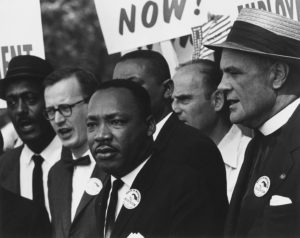
It wasn’t until I became an adult that I learned that Martin Luther King, Jr. was widely hated by the mainstream culture before his assassination. He was seen by many white Americans as someone who was pushing for too much change too soon. This wasn’t something that was covered in any of my lessons about him in school, although after reading his wife’s memoir about their life together I wish it had been.

Sometimes the people who originally fought for a more just world aren’t around to see how all of those long years of hard work will begin to pay off.
Changing laws and public opinion on an issue takes time. It’s not generally something that will happen overnight, but it can happen. This is a topic I’ve been thinking a lot about over the past year or so, and it’s making me want to read more about what previous generations did to fix the things they saw that were wrong with their societies.

Example: My Life, My Love, My Legacy by Coretta Scott King.

6. Foster Care and Foster-Adoption.

For the past three generations, various relatives of mine have fostered and adopted children. Honestly, this would be my #1 choice for becoming a parent if I had the desire to raise children. There is an urgent need for foster parents here in North America, and I wouldn’t be surprised if the same could be said of many other parts of the world as well.

Having so many extended family members who were foster children makes my ears perk up every time a fiction or non-fiction book is written about this topic.

Example: Three Little Words by Ashley Rhodes-Courter.

7. Rabbits Enjoying Adventures. 

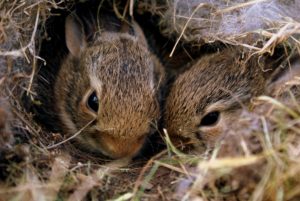
Anyone who has known me longer than ten minutes will have some inkling of how much I love rabbits.
Anytime they show up as a main or secondary character in a story, I’m immediately interested in finding out what will happen to them.

There aren’t a lot of authors out there who write about rabbits going on quests, so I jump into every example of this niche I can find.

Example: Watership Down by Richard Adams.

8. Hopeful Visions of the Future.

As I’ve mentioned here before, I’m thirsty for stories that have a hopeful outlook on what is in store for humanity a few decades or centuries from now. The news is so full of fear and apprehension these days that I look for happier perspectives on what life will be like for future generations wherever I can find them.

Example: All of the Star Trek series.

9. Vengeful Ghosts Who Had a Point.

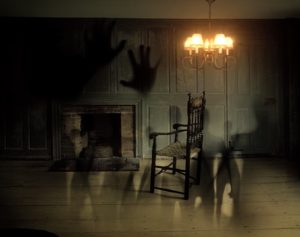
Many different types of ghost stories appeal to me, but the ones I enjoy the most are about folks who had excellent reasons for being so angry and restless in the afterlife.
There’s something emotionally satisfying about figuring out their backstories and seeing if the protagonists will finally be able to help them find the peace they were denied when they were still alive.

I’m also fascinated by how the actions of a small group of people can continue to negatively affect their descendants and/or community for generations to come. This regularly happens in non-paranormal ways in real life, and there often aren’t any easy answers for how to end those cycles once they begin.

Exploring this topic in a ghost story is a wonderful way to neutrally ask questions about justice, reconciliation, and what the current generation should be morally obligated to do to fix the mistakes of people who lived and died long ago.

Example: The Woman in Black by Susan Hill.

10. The Daily Lives of Prehistoric People.

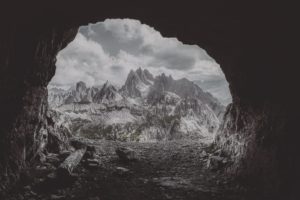
I sure wouldn’t want to be part of a hunter-gatherer tribe in real life, but I love reading about characters who lived in that kind of society.
There is something fascinating to me about all of the different skills one would need to survive when you need to make, hunt, or gather everything you and your family need to survive.  I’m also drawn to the idea of living in such a tight-knit culture. It’s not something I’d want to do all day every day, but I do see the benefits of forging such strong bonds with others. Having so many adults working together must have made everything from raising children to looking after a sick or injured relative easier than it is in more individualistic cultures.

If there are Neanderthals or other now-extinct human (or human-like) species in the storyline, I’ll be even more interested since there are so many things that a skeleton, stone tool, or cave painting can’t tell you about what a group was actually like.

Example: The Last Neanderthal by Claire Cameron.

What topics are you always eager to read about?

6 Comments

Filed under Science Fiction and Fantasy

10 Things That I Won’t Read About

This Thursday I’m planning to write a follow-up post to this one to discuss the themes and topics in books that I’m always interested in reading about. Since I’ve made several past references here to the sorts of stuff I dislike, I thought it would be a good idea to share the full list of things I won’t read about before diving into everything I love.

I’m the sort of reader who gleefully jumps from one genre to the next based on everything from the recommendations of certain people in my life to what I stumble across in the new arrivals section of my local library.

This list is going to do the same thing. No one genre can contain it, and any genre I read will occasionally include titles that fit one or more of the points on this list.

1. Sexy, Sparkly Monsters. 

I will happily read all sorts of stories about vampires, zombies, werewolves, and unnamed creatures stitched together by Dr. Frankenstein so long as these characters are not romanticized or de-fanged in any way. While I might feel other emotions ranging from compassion for them to concern for their future, monsters are first and foremost supposed to be frightening. If they don’t give me that initial jolt of fear, I won’t be very interested in them.

I know I’m in the minority here, but I also don’t find monsters sexually appealing in any way. This is even more true for the dead, and therefore possibly rotting, ones.

2. Sympathetic Portrayals of Bigotry.

There’s a massive difference to me between writing about a character who is deeply prejudiced against specific groups and the author or narrator working – consciously or unconsciously –  to make bigoted ideas themselves more palatable to the audience.

I believe that it’s a good thing to create three-dimensional characters, protagonists and villains alike. In no way would I expect every bigoted character to only be represented by their worst flaws. That isn’t how prejudice works in real life. Someone can be perfectly charming to friends or relatives while still doing and saying terrible things to the objects of their hate.

The juxtaposition of these personality traits can make excellent fodder for a story, but I still don’t believe it’s ethical to ever make excuses for the existence of hate or for the people who spread it.

3. Graphic Violence.

Occasional references to rape, torture, murder, and other acts of violence are okay with me, especially if they were integral to the development of the plot. However, my imagination is far too vivid for me to read detailed descriptions of these things without them coming back to haunt me later on.

I prefer types of conflict that don’t do that to me. This photo of a woman who dropped her ice cream cone is only tangentially related to this point, but the distraught expression on her face is about as much despair as I can handle before needing to move onto more cheerful subject matter.

4. Deus Ex Machina.

That is, I don’t like contrived endings or when characters who have been wrestling with a complex problem for hundreds of pages suddenly realize that the solution to their conflict was a simple fix a few sentences before the final scene.

I’d much rather have a sad ending than a happy one that doesn’t fit in with the tone of the rest of the tale.

5. Inspirational Fiction.

After multiple failed attempts to get into this genre, I came to the conclusion that it was never going to be my cup of tea no matter who wrote it. It is the only genre I’ve permanently given up on, and I felt a little sad about that for a long time.

6. Sermonizing. 

This rule definitely isn’t limited to religion in general, and it kicks in even if I happen to completely agree with the author’s point of view. Any topic can be sermonized if it is written by someone who is more interested in pushing a specific agenda than telling a satisfying story.

There’s a huge difference between writing a story that was influenced by your worldview and allowing your worldview to dictate how a story is told. I don’t have much patience for the latter at all.

7. One True Love Personality Transplants.

Okay, so this one might take a little explaining. I have no problem reading books that include romantic elements as a minor or major part of the plot. This isn’t an anti-romance rant at all.

What bothers me about certain characters falling in love, though, is when those experiences erase their personalities and identities.

Years ago I read a series about a character who had decided early in life never to have children. They had excellent reasons for that decision, and they stuck to it until the very end when they fell in love and suddenly changed their mind about having kids despite the fact that none of their reasons for making that choice had or could ever change.

This isn’t a type of storyline that I’m inherently opposed to, by the way. Not everyone knows what they want out of life when they’re a teenager, and I don’t think there’s anything wrong with showing how a character changes their mind about a major life decision like this. It can be a fantastic way to demonstrate genuine character development when done properly.

The thing is, anyone who writes this sort of tale really should show how and why someone would change their mind about something so important to them. When such an important mind-shift is brushed away as a sign of True Love ™ five minutes after someone falls in love, I can’t help but to wonder how soon that character is going to deeply regret having kids (or moving thousands of miles away, or giving up their career, or making any other sort of drastic lifestyle change when there was no foreshadowing of them wanting those things for the vast majority of the plot).

8. Love Triangles.

If this wasn’t such a common trope in the romance genre, I’d probably read way more romance novels.

As someone who is polyamorous, I always hope the main character gets to keep dating both of the people they’ve fallen for. Why make them choose? They can love more than one person at a time and therefore free up the plot for more interesting types of conflict.

9. Needles, Blood, and Surgeries. 

Kudos to those of you who enjoy very detailed descriptions of what goes on in an operating room or doctor’s office, but this is something that makes my stomach turn.

I’d prefer to continue to know as little as possible about how exactly medical professionals fix the human body when it gets injured or sick. The fact that they’re (often) able to help people feel better is all I need or want to know.

10. Very Long Books. 

Other than J.K. Rowling and J.R.R. Tolkien, I generally don’t read a lot of long-winded authors. Two or three hundred pages is more than enough space for me to get into a story in the vast majority of cases, so it would take something really special to convince me to jump into a very long read.

What topics are on your Do Not Read list?

9 Comments

Filed under Science Fiction and Fantasy