Author Archives: lydias

About lydias

I'm a sci-fi writer who loves lifting weights and hates eating Brussels sprouts.

Winter Worlds I’d Like to Visit

Toronto has been enjoying milder winter weather this past week or two, but it looks like our temperatures are soon going to plummet once again.

Every time this has happened during the winter of 2017-2018, my mind has drifted to the stories I’ve read about imaginary or otherworldly wintery places that appealed to me for a wide variety of reasons. Winter is my least-favourite season of the year, but it does become slightly more appealing when I think about experiencing it in places that are nothing at all like Toronto.

Narnia as It Was During the End of The Long Winter

From C.S. Lewis’ The Lion, The Witch, and the Wardrobe.
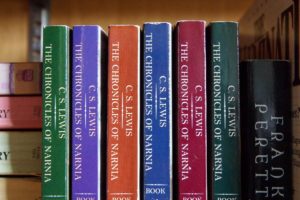
I spent four years of my childhood in Laramie, Wyoming, so C.S. Lewis’ descriptions of a world where it was always winter actually sounded kind of familiar to me.

We could experience snow there at any point between September and May. Even the brief Wyoming summers were much colder than the ones I experienced later on in life when my family moved back to the midwest.

Some kids might have been frightened by the idea of a winter that never ended. I liked the long, snowy winters of my childhood, though, and wasn’t particularly bothered by the idea of them lasting forever. (Although, now that I’m an adult, I feel very differently about this topic!)

One of the nice things about the reign of Jadis, the White Witch who cursed the land with everlasting winter, was how resourceful the creatures who lived there learned to become. The book never exactly described how they managed to find enough food to survive for so many generations in the bitter cold, so I’m going to have to assume that both magic and luck were involved.

My favourite scene in this book was the one where Lucy and Susan noticed the first sign that The Long Winter was coming to an end. I won’t give it away for anyone out there who hasn’t read this story yet, but it was a very fitting twist on what many people consider to be the best part of this season.

Alaska as It Was in 1920

From Eowyn Ivey’s The Snow Child.

Jack and Mabel, the main characters in this tale, had no idea what was happening when they first caught glimpses of a child running around in the Alaskan wilderness alone in the dead of winter.

This is the kind of story that can’t be pinned down to any one genre, and that’s one of the many reasons why I love it so much.

Is it a fantasy tale about a childless couple whose overwhelming desire to be parents magically summoned a daughter for them?

Are the main characters’ sometimes-bizarre interactions with their daughter a metaphor for how unresolved grief can pop up in all kinds of unexpected ways over the years?

Did Jack and Mabel meet a real abandoned child who had somehow figured out how to survive in a fiercely cold and unforgiving environment before they took her in?

The winter weather in Alaska could easily be used to support any of these theories. It could almost be considered a character in and of itself because of how influential it was on how the plot unfolded. While I wouldn’t want to experience that time and place for more than a few minutes, I am curious to know what it would feel like to live in a small, isolated cabin in the middle of a gigantic Alaskan forest during one of their many blizzards.

Jack and Mabel must have yearned for spring unbearably by this time of the year.

I have a very strong opinion about how this book should be interpreted based on the clues provided by the weather, the characters, and the circumstances under which the child is found, but I won’t share it publicly to avoid giving anyone spoilers for the ending.

Europe as It Was 30,000 Years Ago

From Jean M. Auel’s The Mammoth Hunters.
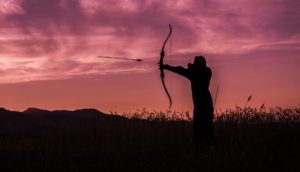
The Mamutoi were the first band of humans that Ayla, a human girl who was raised by Neanderthals, had ever met.

Other than the joy of seeing a herd of mammoths in person, by far the most appealing part of this book to me was how closely-knit the Mamutoi were. The climate they lived in was far too cold to allow for much outdoor time during the winter at all, so this tribe spent those months indoors working on small projects and celebrating various festivals.

The best scenes in this book showed what it was like for roughly twenty adults and children to live in a cramped space together for months on end. Yes, there were times when the introvert in me wondered if anyone ever went outside for the express purpose of having a few moments of pure silence, but there were many other times when I saw the benefits of this kind of living arrangement.

For example, the children in this tribe were doted on by everyone. They knew who their parents were, but they also all felt perfectly comfortable going to any adult for food, comfort, entertainment, or to learn new skills.

Chores like cooking, cleaning, and taking care of people who were too sick, injured, or elderly to do certain things for themselves were also shared pretty evenly. Given how lonely Ayla had been earlier in her life, this doesn’t seem like a bad way to spend a winter at all.

What winter worlds from your favourite stories do you wish you could visit?
Leave a Comment

Filed under Science Fiction and Fantasy

5 Reasons Why You Should Become a Reviewer for Long and Short Reviews

Today’s post is a little off the beaten path when compared to the topics I normally blog about here, but it’s something that I’ve been thinking about discussing with my followers for a while now.

First of all, you might be asking yourself what this site is and why I’m telling you about it. Well, Long and Short Reviews is a book reviewing site that I’ve been a huge fan of for many years. They are the most professional, trustworthy, and well-run review site I’ve discovered so far, and I’ve spent countless hours researching this topic.

Long and Short Reviews comes to mind every time one of my author friends talks about their need for more book reviews. There are so many amazing stories out there that really deserve more recognition. One of the best ways for them to be discovered by people who would love them is if reviewers take the time to write about them. The more reviews an author can get, the more chances they have to find their perfect audience.

There Are Many Books to Choose From

Long and Short Reviews receives more requests for reviews than it’s current pool of reviewers can read.
Whether you’d like to read erotica, romance, mysteries, science fiction, paranormal, horror, fantasy, young adult, or children’s stories, there’s something for every reader there.

They have short stories, novellas, and full-length novels in all of these genres, too. The vast majority of the books they have available for review are e-books, so it doesn’t matter what part of the world you’re from. Any reviewer who is comfortable writing in English is encouraged to apply.

Every volunteer reviewer is also free to review from as many or as few genres as they please. Some of them only read one genre while others are known to write reviews from a wide variety of genres. No one is ever assigned a particular story. They are always free to make that decision for themselves.

All of the Reviews Are Honest and Snark-Free

One of the biggest reasons why I like Long and Short Reviews is their policy of only posting honest, snark-free reviews.

If one of the reviewers notices an issue with a story, they aren’t afraid to speak openly about what didn’t work for them and why that part of the plot, character development, pacing, or other aspect of the storyline could use some more development.

Nothing is sugar-coated, but it’s also never snarky. Any criticism a book might receive is always written with the goal of helping the author become a better writer in the future.

The kindness of their reviewers is seen in every review, from the ones that receive the highest possible score to the ones that receive the lowest possible score. I’ve seen multiple examples of authors thanking reviewers there for pointing out the parts of a story that didn’t work for them and explaining their reasons for feeling that way.

It’s a Great Way to Support Authors

As I alluded to above, writing reviews are one of the best ways to support authors. I have a wide circle of friends who are writers, and many of them talk about the difficulties of finding potential fans out there.

Every review that is published increases the chances of someone stumbling across an author they’ve never heard of before but are going to love.

I always read the reviews before I buy a new book or borrow it from the library. Doing this has steered me towards certain titles and away from other ones on many occasions.

Not every story is going to appeal to every reader. By taking the time to type up reviews of the types of books you like, you increase the chances of them being discovered by other potential fans.

Yes, I’m including less-than-stellar reviews here as well. While some criticisms that are objective like not using standard punctuation marks, many other parts of the reviewing process are highly subjective.  One person’s pet peeve in a particular genre might be stuff that another reader doesn’t mind or even really likes.The more reviews a book has, the higher the chances are of it being found by new fans who are in the market for that exact kind of story.

The Community Is Warm and Supportive

The comment sections of the reviews and blog posts on Long and Short Reviews are a wonderful place to browse if you have some free time this week.
I’ve met so many interesting people as a result of spending time on this site.

Some of the authors there have been submitting their books for years. They’ve built up relationships with the reviewers and their readers over that time that occasional spills over into the comments section.

There are also relationships being built in Saturday Seven, the weekly book meme this site created a few weeks ago that you may have noticed I’ve been participating in. It’s going to be a lot of fun to see how that community grows in the future.

You May Discover New Favourite Authors

This is by far the most subjective point on this list.

I obviously can’t promise when it might happen for you or even if it will happen at all. So much depends on what you like to read and what kinds of tales are sent in for possible review in any given month.

With that being said, Long and Short Reviews has many Indie authors and small publishers who are regularly featured there. I’d never heard of most of them before I began following this site.

A few of the authors I first discovered on this site have since been added to my very short list of authors on my I Must Read Everything They Write list.

Given how much of my free time I spend reading and how high my standards are for my must-read list, this is a pretty big compliment. If an author makes it to that list, they’re virtually always bound to stay there for good.

If You’re Interested…

If any of my readers are interested in signing up to become a reviewer, this page has all of the rest of the information you’ll need to apply. Go check them out on Twitter or the book reviews section on Long and Short Reviews to get a feel for the kind of casual, conversational writing style they’re looking for.

Don’t hesitate to speak up if you have any questions. The people who run that site are quite friendly and helpful. Of course, I’m happy to help you out, too!

Leave a Comment

Filed under Mindfulness and Meditation, Writing

Saturday Seven: Cold and Flu Season Reads

Saturday Seven is hosted by Long and Short Reviews.

We’re well into the depths of winter now here in Ontario. Cold and flu season is in full swing. I spent the last several weeks fighting and just recently finally getting over a stubborn cold myself, so communicable winter illnesses like these have been on my mind. How do you stay healthy when everyone is sniffling and coughing their way through January? Will we ever come up with a cure for the flu or the common cold?

Today I thought it would be amusing to talk about books that approach these questions from a wide variety of perspectives. My list begins with one of the most common ways that germs enter a body, explores what happens when an epidemic occurs, and ends with the one of the greatest medical discoveries of all time.

Three of these books are non-fiction, and four of them are fiction.

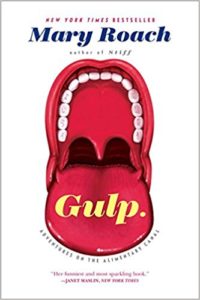
5. Gulp: Adventures on the Alimentary Canal by Mary Roach. 

One of the most common ways to catch a cold, the flu, or other diseases is to touch your face after you’ve touched someone or something that is carrying those germs. That virus then travels from your eyes, nose, or mouth into your body and begins replicating.

While this book spends most of its time talking how the digestive tract works in general, it also discusses the body’s defences against germs and how someone’s diet can affect their chances of getting sick. I was simultaneously fascinated and also a little grossed out by the author’s descriptions of how all of these things work.


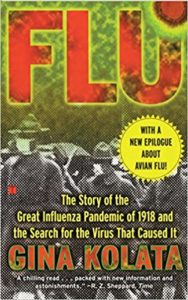
1. Flu: The Story of the Great Influenza Pandemic of 1918 and the Search for the Virus that Caused It by Gina Kolata. 

Imagine how terrifying it must have been for our ancestors to watch their loved ones die from this strain of the flu or from the secondary infections they developed as a result of it. Normally, influenza kills people who are very young, very old, or who have underlying health conditions. It must have been even more frightening to see so many young, healthy adults succumb to it.

Antibiotics and life support machines didn’t exist in 1918, so there was little the hospitals could do in general to help patients who had severe reactions to this virus. People either recovered or they didn’t. All the doctors and nurses could do was watch and wait.

What I enjoyed the most about this book was how much detail it went into why this strain of the flu was so deadly, how it disrupted the daily schedules of the people who encountered it, and why it faded away.

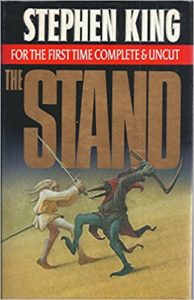
2. The Stand by Stephen King.

The Stand was the first story I ever read about a virulent strain of influenza accidentally being released and killing off 99.4% of all humans. It ignited my interest in this genre.

While the plot soon veered off in other directions, the first few chapters went into great detail about why the U.S. army weaponized this virus to be so deadly in the first place, how it ended up being introduced into the general population, and what happened once people began dying in droves.


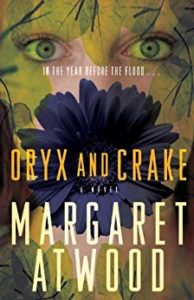
3. Oryx and Crake by Margaret Atwood. 

As regular readers of this blog know, I’m a huge fan of Margaret Atwood’s stories in general. What appeals to me the most about Oryx and Crake is how much time she spent describing what the world would be like after all but a handful of humans died in a terrible pandemic.

Some species flourished after mankind died off either because or in spite of all of the ways we bio-engineered them. Other species weren’t so capable of looking after themselves without a friendly human to feed them and keep them out of mischief. The buildings, trees, and land in general also changed in many ways as the Earth quieted down.

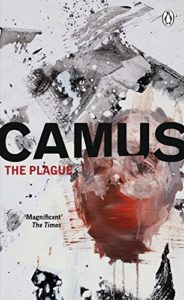
4. The Plague by Albert Camus. 

Don’t read The Plague if you’re easily grossed out by detailed descriptions of disease or what happens to a body after someone dies. The communicable disease that these characters come down with is a particularly nasty one, and there were never enough people around to take care of the ill or bury the dead.

With that being said, there are a lot of poetic passages in this book once you get past the descriptions of what happened when the characters fell ill.

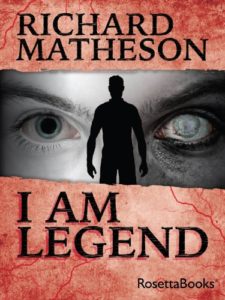
5. I Am Legend by Richard Matheson.

Most post-apocalyptic novels assume that everyone who comes down with the disease that’s destroying humanity will die. This one describes a world in which infected people remain alive but are changed into something that is no longer human. By the time the first scene began, there is only one human left in the entire world.

That’s all I can tell you about the plot without giving away spoilers, but I was fascinated by the idea of a virus that permanently and severely changes someone’s personality, habits, and ability to communicate rather than outright kills them.


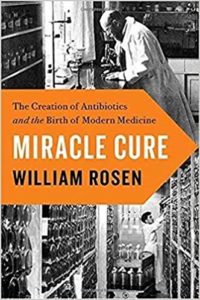
6. Miracle Cure: The Creation of Antibiotics and the Birth of Modern Medicine by William Rosen. 

Finally, we come to the idea of a cure. The introduction of antibiotics changed how modern medicine was practiced in so many positive ways. Surgery became much safer, and with the threat of infection greatly reduced we were eventually able to start performing risky procedures like organ transplants as well.

Before I read this book, I had no idea how dangerous it used to be to give birth, have surgery, or even do something as ordinary as accidentally cutting yourself and then developing an infection in that wound. No one was too young or too healthy to avoid a terrible death if the wrong strain of bacteria entered their body during one of those events. I wonder if a similar drug will ever be invented that cures the common cold or the flu?

My fingers are crossed that we’ll someday have such a thing. In the meantime, stay healthy this winter!

12 Comments

Filed under Blog Hops, Uncategorised

Suggestion Saturday: January 20, 2018

Here is this week’s list of comic strips, poems, and other links from my favourite corners of the web.

Five Good Ideas Science Fiction Teaches Us to Fear via mythcreants. I hope you enjoyed Five Bad Ideas that Science Fiction Teaches Us to Love last week. As promised, here is the follow-up to that post.

Duct Tape 101 via LenieHokansson. A certain sibling of mine is a whiz at anything related to fixing up his house. He’s constantly coming up with weekend projects to make his home even nicer than it already is. I know he reads this blog, and I wonder how many of these tricks he’s tried.

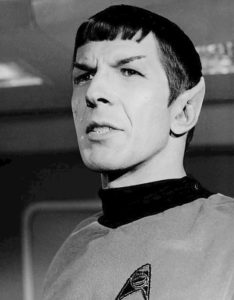
How Mr. Spock Helped a Bi Kid Learn How to Fit In. I loved this story.

Treebound. Maybe this is what really happened to the Ents long after the events of the Lord of the Rings trilogy. At any rate, I prefer it to what happened in the canon.

The Strange Case of the Dented Forehead via ‪StuartRWest‬. I really want a follow-up post to this one that explains whether Stuart really has a dented forehead and, if so, where it came from.

From The Stick Is an Unsung Hero of Human Evolution:

Sticks are probably where the story of craft begins—the point at which our very distant ancestors progressed from animalistic existences to lives materially enhanced by the objects around them.

Comments Off on Suggestion Saturday: January 20, 2018

Filed under Suggestion Saturday

What I Missed the Most About Working Out

Its’s been a long time since my last workout thanks to a stubborn cold I caught weeks ago that only now seems to have faded away for good.
There are many other things in this world I can sit patiently through:  obscure jokes I don’t understand; long lines at Service Canada when I need to update my identification cards; medical tests that require you to remain perfectly still for a certain amount of time; an animal or small child who insists on following the same routine over and over again.

With that being said, I never enjoy being sidelined by an injury or illness that requires me to stop exercising for a while. I’ve been feeling restless this past week as my cough faded away and I slowly healed. It’s hard to stay sedentary during this part of the healing process because of how many different things I miss about my regular workouts when I’m not able to do them.

Today I thought it would be interesting to talk about the three parts of exercising that I miss the most now that I’m poised to finally get back into my regular routines.

Better Sleep

I fall asleep more easily and sleep more soundly when I get some form of exercise every day. It doesn’t have to be a strenuous  workout either. Even something as simple as a thirty-minute walk has a positive effect on how I sleep that night.

Some of my sleeping issues over the past few weeks were definitely related to being ill and would have happened regardless of what else was going on in my life. It’s impossible to sleep through a sneezing or coughing fit, and I slept better once most of these symptoms had gone away.

With that being said, I’m going to sleep even better now that I’m getting back into my normal routine.

A Sense of Accomplishment

There’s an app on my smart watch that gives me regular updates on my fitness and activity goals for the day. When I’m not sick or injured, I make those goals so reliably that I can pinpoint exactly when I’ve been under the weather in the past based on when my stats dip below my goals for those particular days or weeks.

My app gives me friendly notifications when I reach a goal or when I’m close to reaching a specific goal for the day. Seeing those updates not only makes me happy, it gives me a small sense of accomplishment as well. It’s easy to discount all of the other things I accomplish every day as a writer and volunteer because of how abstract many of those goals are, so it’s nice to occasionally be reminded of something I’ve done in a more concrete manner.

A Reason to Watch TV Shows

I’ve spent so much time exercising while watching TV shows over the past several years that it now feels incredibly strange to me to sit or lie down quietly while watching them.

Yes, I watched a few shows every day while I was getting better, but I found it a little more difficult to pay attention to their plots while my body was so still. The healthier I began to feel, the more restless I felt as well. I had the urge go run around outside in the freezing Ontario weather, not lie quietly and watch another episode.

It’s going to be so nice to at least be able to move again while I’m watching TV shows this winter!

Leave a Comment

Filed under Fitness

4 Things I’m Hoping to See in the New Twilight Zone Reboot

A few days ago, I heard that The Twilight Zone is going to be rebooted. This was incredibly exciting news since I watched reruns of many of the original episodes of this series when I was a kid.

While I am growing a little tired of watching rebooted shows in general, I’m also curious to see how The Twilight Zone is going to be re-interpreted in 2018. The world has changed quite a bit since the first episode aired in 1959, after all.

There were so many parts of the original series that I loved, from the plot twists to the clever re-imaginings of what society could possibly be like.  It would take many posts to talk about all of them, so I decided to concentrate on the four biggest ones for today.

If this reboot really impresses me, I do reserve the right to blog about this topic again in the future.

By the way, don’t click on any of the links I’m about to share if you’re planning to watch the original series and want to avoid spoilers for them. All of the links go to Wikipedia summaries of the plots of these classic episodes.

Social and Political Commentary

For example: The Eye of the Beholder, Time Enough at Last, and The Monsters Are Due on Maple Street.

As I mentioned above, one of the things I loved the most about The Twilight Zone was their commentary on American life in the 1950s and 1960s.

The original scriptwriters weren’t afraid to critically examine any number of social ills, especially when it came to exaggerating or inverting them in order to show the audience just how ridiculous or unfair those issues were when viewed from the perspective of outsiders or of people who were most seriously affected by them.

I would be very surprised if the new writers didn’t continue this streak, but I’m hoping they push the envelope much further than it was pushed decades ago. I’d love to see much grittier episodes about the very real dangers of xenophobia, for example, or why blindly following authority figures is so dangerous.

Creepy Children

For example: Mute, Stopover in a Quiet Town, and It’s a Good Life.

Children whose personalities and/or supernatural abilities are creepy are one of my favourite tropes in the horror genre in general.

While there weren’t a ton of examples of this in the original series, the small number of episodes that included children who weren’t what they seemed give me hope that this trope will be used again in the reboot.

Horror in Ordinary Settings

For example: Nightmare at 20,000 Feet, To Serve Man, and Long Live Walter Jameson.

There’s something about encountering a monster or other malevolent entity when you least expect it that makes such an experience far more frightening to me than it would be if the characters and audience knew from the beginning what was coming.

The original series did a fantastic job of finding ways to scare the audience without relying on traditional props like a haunted house, a cemetery, or other spooky places. I could have listed many more examples of this kind of storytelling in this section. It was something that the original writers returned to over and over again, and for good reason. Suddenly being shocked by the turn of what sure seemed ordinary events is one of the cornerstones of this series.

Hopefully that means that the new crop of writers will continue this trend. I strongly suspect that this is exactly what they’ll do, but only time will tell if my prediction is correct on this point.

Purposefully Questionable Science

For example: The Midnight Sun The Last Flight, and The Little People.

While I normally expect the science fiction I read to at least attempt to ground their stories with some kind of scientific explanation for why such a thing might occur, I won’t be too annoyed if the new The Twilight Zone occasionally releases episodes that doesn’t bother doing this for the sheer joy of asking questions like, “what would happen if the Earth began moving closer and closer to the sun?” instead.

I’m not a sci-fi purist by any means. There is plenty of room for silliness in the genre if you ask me, and I hope we see it in this series. It’s not like modern science fiction is always accurate! I’ve read and watched plenty of contemporary sci-fi that bends the rules of biology, chemistry, astronomy, and physics just as much as folks did 50 years ago.

Are there any other fans of The Twilight Zone in my audience? Will you be watching the reboot? What do you think of rebooting old shows in general?

Leave a Comment

Filed under Science Fiction and Fantasy

Saturday Seven: Fictional Food and Drinks I Want to Try

Hosted by Long and Short Reviews.

How often do food descriptions in books make you hungry? This is something that happens to me regularly, especially if I happen to be reading a description of a delicious snack or meal right before it’s time to make my own dinner.

While most of my cravings can be satisfied by the same or similar dishes as the ones I’ve read about, some authors describe food and drinks that don’t actually exist in our universe at all. Their imaginations have created all kinds of stuff that I’m dying to taste. If only there were a way for me to really try them!

This is what I’d want to eat and drink first if I had a magic wand and could make imaginary food and drinks appear in our world.

1) Fizzing Whizzbees from J.K. Rowling’s “Harry Potter and the Prisoner of Azkaban.”

A Fizzing Whizzbee is a large sherbet ball that makes people who eat it float a few inches off of the ground.

Ever since I first read the description of this treat, I’ve been desperately wishing that our muggle society had the ability to make such a thing.

While there are non-magical versions of this snack out there, they’re obviously not going to make anyone float. A sherbet ball that doesn’t have that exciting side effect doesn’t sound quite so fun to me.

2) Lembas from J.R.R. Tolkien’s “The Fellowship of the Ring.”

There weren’t many parts of Samwise and Frodo’s perilous journey to Mount Doom that I wished I could have experienced, but eating lembas was a huge exception to this rule.
I love many of the kinds of bread that we humans are able to make, so I can only imagine how much better Elven bread would be. Imagine only needing to eat a few bites of it before you felt satisfied!

Elvish food also appeals to me quite a bit in general. I believe in choosing quality over quantity, and the elves seem to agree with me on this point. All of their feasts always sounded so high quality and delicious in the novels.

3) Tru Blood from Charlaine Harris’ “Dead Until Dark” (Book 1 of the True Blood series).

Tru Blood is a bottled, synthetic blood substitute that ethical vampires drink in this universe.

While I almost certainly wouldn’t be able to stand more than one sip of it, I’d love to know if it’s as unappetizing as certain vampires claim it is. It might taste better to a human.  Either way, I’d want to find this out for myself.

4) Pan-Galactic Gargle Blaster from Douglas Adams’ “The HItchiker’s Guide to the Galaxy.”

I haven’t tasted any alcohol in years, but I’d break that record for a small taste of this volatile and unbelievably strong drink.

The instructions for making it are as creative as they are alarming, so I would definitely stop after that first sip.

5) Ent-Draught from J.R.R. Tolkien’s “The Fellowship of the Ring.”

If only all of you knew how tempted I was to make this entire post about the meals in the Lord of the Rings trilogy!

Ent-draught is made by mixing river water with possibly magical ingredients that only Ents know about. There is one type of ent-draught that refreshes the tree people of this series and other type that nourishes them.

Merry and Pippin, two fully-grown hobbits, were once given this drink. They each grew a few inches taller after that experience, so I’m eager to see if what would happen if a human drank it.

6) Pale Purple Melon from Suzanne Collins’ “The Hunger Games.”

The reference to this melon happened briefly and only once, so I’ll quote the section that mentions it to refresh the memories of everyone who has read this book:

While the table is empty, a long board off to the side has been laid with at least twenty dishes. A young man, an Avox, stands at attention by the spread. When I ask if I can serve myself, he nods assent. I load a plate with eggs, sausages, batter cakes covered in thick orange preserves, slices of pale purple melon. –  The Hunger Games, page 87.

Would pale purple melon taste anything like watermelon, cantaloupe, or muskmelon? I’d like to think it would be every bit as delicious as all three of those fruits. After possibly being grossed out by Tru Blood and Pan-Galactic Gargle Blaster, this would also be a nice change of pace.

7) Wonka’s Everlasting Gobstoppers from Roald Dahl’s “Willy Wonka and the Chocolate Factory.”

I enjoy the real-life version of this candy quite a bit, but I’ve always wondered what it would be like to suck on a gobstopper that truly did last forever.

How about you? What fictional food and drinks do you wish you could try?

8 Comments

Filed under Blog Hops

Suggestion Saturday: January 13, 2018

Here is this week’s list of comic strips, blog posts, and other links from my favourite corners of the web.
Illegal Immigration. This is one of those links that works best if you don’t know anything about it ahead of time. Enjoy!

Five Bad Ideas Science Fiction Teaches Us to Love via mythcreants. Next week I’ll be sharing another link from this blogger about good ideas that science fiction teaches us to hate. In the meantime, go read this post from him. It’s a good one.

Oracle. Who else thinks this would make a great full-length novel?

Still Not Shutting Up via EricaVerrillo‬. I wonder how often this happens on Facebook?

The Problem with Curated Photos on Social Media. What do you all think of this? I have mixed feelings about whether or not I believe it’s actually a problem. So much depends on who you follow online and what kinds of stuff they share. Most of the people I follow post a lot of pictures of their pets, kids, and what they made for dinner. On the other hand, there have been a few times when I wished my life was as exciting as other people’s lives when they post more unusual stuff!

From How to Set Better Mental Work-Life Boundaries via ‪parentsinbiz‬:

The first thing that you need to do is to set better mental boundaries for yourself. But how do you do this? How can you make sure that you set better mental work-life boundaries and get the best of both worlds?

Leave a Comment

Filed under Suggestion Saturday

An Update on My Difficulties with Meditation

Wow, it’s been six weeks since I last blogged about meditation. I knew it had been a while when I first began working on today’s post, but I had no idea that so much time has passed.

The last time I blogged about this topic, I talked about the possibility of taking a break from meditation. It turns out that I was far too stubborn for that option.

I didn’t want to make any drastic changes to my meditation habits until I’d figured out if I was going to continue meditating or give it up for a while. There are a lot of fantastic apps and other services out there, but I don’t want to pay for something I won’t use regularly.

If there was a way to begin feeling more relaxed after my sessions again, I was going to keep using my current app until I figured it out.

Now that I have the answer to that question, I have to decide how to change this part of my daily routine.

No, I’m still not back to my regular habits yet, but I am still meditating and I have noticed an improvement over the last two months. Today I’ll share the techniques that worked for me. I’ll also talk about some other ideas I’ll be trying in the near future.

Going Through the Motions

While I know that going through the motions is generally used to negatively describe how someone is performing a certain action, I don’t think of it that way for this particular situation. Sometimes going through the motions is a perfectly valid response when something isn’t working out the way you hoped it would.

There were days, especially back in early December right after What Should You Do When Meditation Isn’t Working? was first published,when I listened to my guided meditation app without consciously trying to clear my mind or participating in the process at all.

As odd as this might sound, listening without trying to participate in any way was helpful. I like the soothing voice of the woman who narrates the sessions on the app I use, so it was nice to hear her talking even if I wasn’t reacting to the routine the way I typically would.

The more I listened to her without expecting myself to join in, the more interested I became in trying again.

Comparing Meditation to Exercise

This section could almost be expanded into it’s own blog post, but I’ve noticed an interesting correlation between meditation and exercise.

Both of them require effort long before you see many results at all. It takes time and dedication to build muscle or lose weight. Even then, there have been times when my progress slowed or even temporarily halted in those areas for any number of reasons. Training your mind requires the same level of determination. There’s no quick fix for it.

The last few months seem like they were a plateau for me in this area of life. Yes, it was frustrating, but once I figured out what was going on I wasn’t nearly as annoyed with the process. I expect it to take a while to notice a difference in many of my fitness goals, after all.

Meditation should be held to the exact same standards.

Remembering What December Is Like for Me

December is my least favourite month of the year for a few different reasons.

One, I live far away from my family, and I miss them terribly over the holidays.

Two, my mood dampens a little bit every year between the end of Daylight Savings Time and the Winter Solstice. My body doesn’t like having that many hours of darkness in a day.

Three, I used to work in a field whose busiest time of the year was between October and the beginning of January with December being the peak of it all. While the actual number of hours I worked in December were only slightly higher than normal, there were multiple times when I stumbled into bed at 2 or 3 am only to go back into work at 11 am the next morning.

The shifts themselves were hectic, too. We dealt with many furious people over the course of the average day, and there was never enough time to do half of the things we were expected to do. I still associate those memories with that month, and it’s not a pleasant association.

Due to these factors, everything is a little tougher than normal for me in December. I should have thought of that when I was blogging about this at the end of last November, but for some reason it didn’t cross my mind until I began working on this post.

Now that I know more about why this plateau happened, I’m ready to start tweaking my meditation routine to see how it can be improved even more than it’s already improved for me since last November.

Other Adjustments I Want to Try

I’ve been doing guided meditation exercises since I first began meditating regularly. My very first attempts at meditation from years ago had been without any guidance at all, and they didn’t go well at all. I quickly became bored and gave up on them. Maybe it’s time to try self-guided meditation again now that I’m better at releasing stray thoughts when they appear?
Right now I’m meditating every evening. As much as I love winding down my day that way, a morning or afternoon session might work better. I’m even thinking about meditating for short periods of time more than once per day to see how they affect me.

If I do continue to use guided meditation, is it time to start exploring other meditation apps, Youtube channels, or other services? I’m using the free version of my current app, and it only offers the same few sessions to people who haven’t paid for a subscription. A few years ago, I signed up for a subscription to my current app, but I didn’t find their premium content worth the expense.

I don’t know how long it will take before I update you on this development in my life again, but I will let you know what I find as I continue to play around with my meditation habits.

Leave a Comment

Filed under Mindfulness and Meditation

5 Classic Science Fiction Books That Everyone Should Read

There’s something about the snowy days of January that makes me want to curl up with a classic science fiction novel and not lift my head up again until April.

I’m not entirely sure why I have this urge. Maybe it’s because burying my nose in something that was old and often assigned in English class a few years after I’d read it was exactly how I used to spend cold winter weekends when I was a kid? There is also the joy of discovering a story you’ve heard lots of references to in other places. I was positively thrilled to finally get the real version of the first entry on this list. As interesting as movies and TV shows are, they often make changes to the characters or plot that anyone who isn’t familiar with the original might not even notice.

At any rate, if you haven’t read any of these classics yet, I can’t recommend them highly enough. Yes, I’m playing a little loose with the definition of the term classic in this post. I believe that the more modern books I included are going to be as highly praised a century from now as they are today.

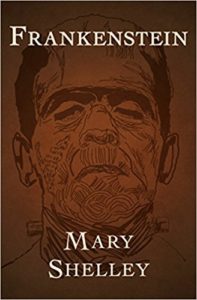
“Frankenstein” by Mary Shelley.

Ignore everything you may have heard about Frankenstein from TV shows and movies. Frankenstein wasn’t even the name of the creature that was created by nineteenth century science and ingenuity. That name actually comes from Dr. Frankenstein, the scientist who first came up with the idea of stitching the bodies of various corpses together and seeing if he could bring his creation to life.

What I appreciate the most about this tale is how much attention it paid to developing the characters. No one was perfectly virtuous or villainous in the storyline including the monster himself. Yes, this is part of the horror genre, but it probably isn’t the same type of horror most people imagine when they think about this genre.

All of the fear has a purpose here, and it’s not simply to frighten you. It wants to make you think.


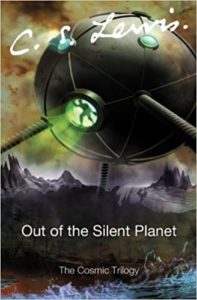
“Out of the Silent Planet” by C.S. Lewis.

What if the Earth isn’t the only planet in the universe that contains intelligent life? What if we’re not even the most interesting populated planet out there?

That’s all I can say about this storyline without giving away spoilers, but this trilogy was full of delightful plot twists. C.S. Lewis really knew how to play around with the common tropes in the science fiction genre and come up with a new approach to them.

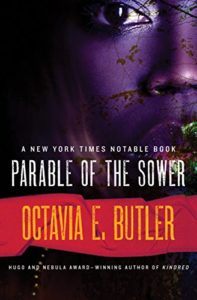
“Parable of the Sower” by Octavia E. Butler.

I wish Ms. Butler had lived long enough to finish this series. She wrote so many incredible things, and “Parable of the Sower” is honestly one of the best science fiction stories that’s been written in the last 50 years.

Imagine what North America would be like if their societies crumbled slowly instead of overnight like it does in, say, The Walking Dead. (No, there are no zombies in “Parable of the Sower,” though)

The characters in this tale did watch their financial and social prospects dwindle for many years before their home literally burns down and they’re forced to march north and hopefully find a safe place to live.

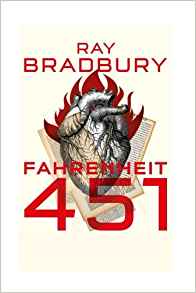
“Fahrenheit 451” by Ray Bradbury. 

The warnings in this tale about what censorship and totalitarianism do to a society are as timely now as they were when Mr. Bradbury first released this work.

I also enjoyed the descriptions of how the government in this world got people to stop reading books and thinking for themselves. What I assumed they’d do to shut down the flow of information was the exact opposite of how it actually went down.

There were a lot of reasons why I enjoyed the storyline, but this was one of the biggest ones. I never would have guessed that the average person could be so complicit in creating a new government that wasn’t actually what they wanted at all.

“Brave New World” by Aldous Huxley.

On a somewhat silly note, the cold, clinical scene that showed how babies are gestated in this society still haunts me. It’s not gory or anything, but it was nothing at all like how humans reproduce in our world. I read that section two or three times in a row to fully understand how it worked the first time I picked up this story.

One of the other reasons why I recommend this tale so highly has to do with how it approaches the idea of prejudice. No one is born with prejudices. They’re something that have to be directly or indirectly taught to a child. How this happened in this society was as creative as it was disturbing.

Comments Off on 5 Classic Science Fiction Books That Everyone Should Read

Filed under Science Fiction and Fantasy