Author Archives: lydias

About lydias

I'm a sci-fi writer who loves lifting weights and hates eating Brussels sprouts.

Top Ten Tuesday: Most Anticipated Releases of the Second Half of 2019

Hosted by That Artsy Reader Girl

Here are the books scheduled to be released in the second half of 2019 that I’m anticipating the most. Since the vast majority of what I read comes from my local library, I probably won’t get around to many of these titles until months after they are released.

If my library turns out to have lots of copies of all of them, I’m going to have to spend the month of September doing nothing but reading in my free time. Honestly, that sounds like a nice way to spend those weeks. I don’t know about the weather where you all live, but here in Toronto we still have plenty of hot, humid days in September. Sometimes “summer” lasts well into October, too!
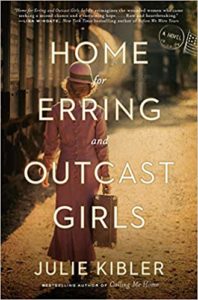
Home for Erring and Outcast Girls by Julie Kibler

Expected publication date: July 30

Why I want to read it: Historical novels appeal to me, especially when they’re about groups of people who are rarely if ever discussed in traditional history classes. Two of the characters in this tale were young women who were pregnant out of wedlock a century ago when that was an incredibly shameful thing to do. I’m interested in seeing what happened to them.
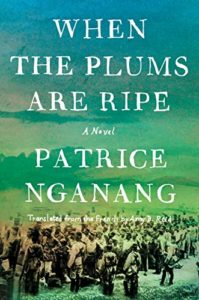
When the Plums Are Ripe by Patrice Nganang, Amy Baram Reid (Translation)

Expected publication date: August 13

Why I want to read it: I’m a little embarrassed to admit that I know almost nothing about the history of Cameroon. This book talks about this country in the World War II era, and I’m hoping it might lead me to other titles that discuss other time periods there as well.
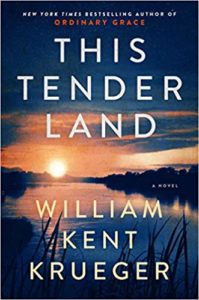
This Tender Land by William Kent Kruege

Expected publication date: September 3

Why I want to read it: There is so much going on in this tale: The Great Depression, Native American children being stolen from their parents to be raised by the state, runaways, the (mis)treatment of orphans in the 1930s, the inclusion of a mute character, and more. I want to see how it all weaves together.
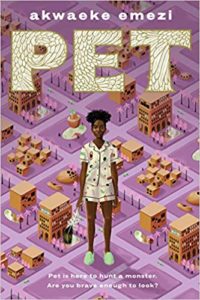
 

Pet by Akwaeke Emezi

Expected publication date: September 10

Why I want to read it: The main character of this book is a girl who befriends a monster after it emerges from one of her mother’s paintings. Given the countless hours I’ve spent staring at paintings and dreaming about what it would be like to step into them, I already adore her. She sounds like a true kindred spirit. The Goodread tags for it also indicated that either her or someone else in the storyline is part of the LGBT+ community which is very cool and yet another reason why I simply must read this at some point.
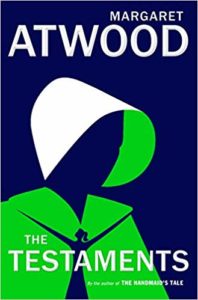
The Testaments (Handmaid’s Tale #2) by Margaret Atwood

Expected Publication Date: September 10

Why I want to read it: I’ve been a huge fan of The Handmaid’s Tale since high school and can’t wait to see this story continue on in novel form.  I will be reviewing it for this site after I read it and am virtually guaranteed to talk everyone’s ears off about this book on Twitter and in future Top Ten Tuesday posts. Consider yourselves warned.
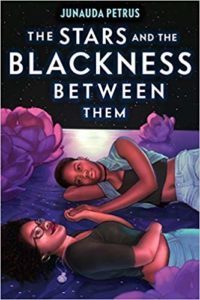
The Stars and the Blackness Between Them by Junauda Petrus

Expected publication date: September 17

Why I want to read it: My immigration process was a much calmer affair than what it sounds like this character is going to go through, but I’m still curious to compare notes. Moving to a new country always bring all sorts of surprises with it no matter who you are or where you’re moving to.
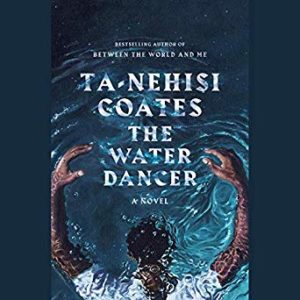
The Water Dancer by Ta-Nehisi Coates

Expected publication date: September 24

Why I want to read it: I’ve never read a fantasy book about someone who was a slave before, much less a character living in the southern U.S. in what I assume will be the early 1800s. This sounds like it will be a wonderful read.
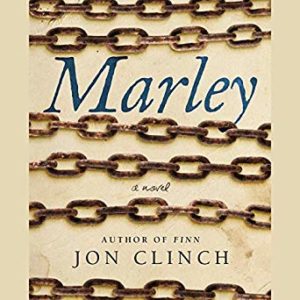
Marley: A Novel by Jon Clinch

Expected publication date: October 8

Why I want to read it: I’m always interested in stories that retell or branch off of the various subplots of Charles Dickens’ A Christmas Carol. This happens to be a prequel that shows what Marley and Scrooge’s lives were like when they were young boys. I’m quite curious to find out more.

I’m a Gay Wizard by V.S. Santoni

Expected publication date: October 29

Why I want to read it: This sounds like it might be the 2019 version of a gay Harry Potter-esque novel, and I couldn’t be more thrilled about that!
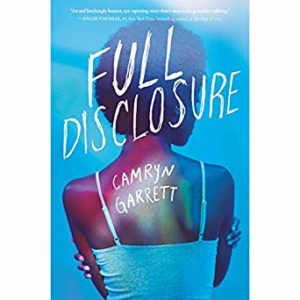
Full Disclosure by Camryn Garrett

Expected publication date: October 29

Why I want to read it: I remember a time when all books about AIDS were about it being an automatic death sentence because that was the reality for people with this illness back then. In fact, I know someone whose life was saved by the newer and more effective drugs to treat AIDS in the mid-1990s. Now that medical care for this disease has greatly improved, I’m quite curious to see how a character who has HIV will live her life in 2019.
135 Comments

Filed under Blog Hops

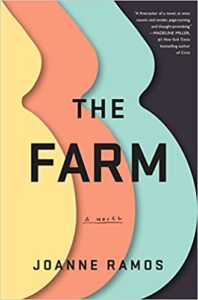
Wombs for Rent: A Review of The Farm

I’ve decided to start reviewing more books on this blog. All of the rest of the titles I’ve set aside for this purpose for the foreseeable future are indie, but I thought I’d start off with something mainstream. The star rating below is out of a possible five stars.

Title: The Farm

Author: Joanne Ramos

Publisher: Doubleday Canada

Publication Date: May 7, 2019

Genres:  Dystopian, Contemporary, and a pinch of Science Fiction

Page Count: 326 pages

Source: I borrowed it from my local library

Rating: 3 Stars


Blurb:

Nestled in New York’s Hudson Valley is a luxury retreat boasting every amenity: organic meals, personal fitness trainers, daily massages—and all of it for free. In fact, you’re paid big money to stay here—more than you’ve ever dreamed of. The catch? For nine months, you cannot leave the grounds, your movements are monitored, and you are cut off from your former life while you dedicate yourself to the task of producing the perfect baby. For someone else.

Jane, an immigrant from the Philippines, is in desperate search of a better future when she commits to being a “Host” at Golden Oaks—or the Farm, as residents call it. But now pregnant, fragile, consumed with worry for her family, Jane is determined to reconnect with her life outside. Yet she cannot leave the Farm or she will lose the life-changing fee she’ll receive on the delivery of her child.

Gripping, provocative, heartbreaking, The Farm pushes to the extremes our thinking on motherhood, money, and merit and raises crucial questions about the trade-offs women will make to fortify their futures and the futures of those they love.

Review:

The first time I heard of The Farm was a few months ago when another reviewer compared it to Margaret Atwood’s The Handmaid’s Tale, one of my all-time favourite books. As soon as I read that line, I was hooked. Like Ms. Atwood’s famous story, this one is also about fertile, generally lower-class women being used to gestate babies for the most powerful members of society.

Unlike the characters in The Handmaid’s Tale, Jane and the other surrogates chose to become impregnated. Whether they knew what they were really consenting to is something I can’t discuss much in this review without wandering into spoiler territory. Let’s just say that the glossy description of what this job was like didn’t necessarily match Jane’s actual experiences with it.

What I would have loved to see from this book were more details. The most frightening parts of it were glossed over so much that I had to make educated guesses about how they played out. While Jane’s perspective was a limited one, it was a little frustrating as a reader to get so far into the plot only to receive the same vague hints that were contained in the blurb and early chapters.

There was a satisfying payoff for a subplot involving the woman who first introduced Jane to the idea of gestating a pregnancy at The Farm. If only the other clues at the beginning were given the same treatment. Not every dystopia is necessarily going to include a government being overthrown or other major signs that a society has gone terribly wrong. I loved the more subtle approach Ms. Ramos took with the assumptions she made about how people might respond if they couldn’t find decent paying work and selling the use of their reproductive organs seemed like the best option to make some semi-quick cash. If only she’d developed these thoughts further.

With that being said, one of the things I liked the most about this storywas how realistic it was. Yes, there were little snippets of what could be interpreted as science fiction and dystopian content in it, but everything in it is either really happening in our world today or could easily occur with a few small tweaks to how science works and what society tolerates. This is the kind of soft science fiction that grabs my attention because of how close it is to our reality.

I can sleep easily at night knowing that little green men from Mars aren’t actually ever going to invade Earth. The thought that women could so easily be coerced or enslaved into producing babies for wealthy, powerful families, on the other hand, is chilling because it has happened in the past, it is currently going on in some parts of the world, and it will almost certainly occur again in the future.

That’s frightening. Despite it’s flaws, The Farm’s no-nonsense approach to this topic is why I’ll recommend it to anyone who finds the blurb interesting.

8 Comments

Filed under Science Fiction and Fantasy

Interview with Tammy Schoch

My mother has decided she wants to be interviewed, so say hello to Tammy Schoch! This is so cool. If you’d like to join in on the fun as well, go check out all of the details on my speculative fiction interview post. 

What was the first speculative story you ever remember reading?
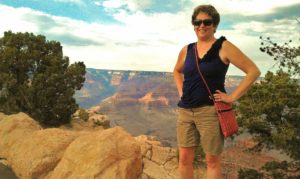
Back in the 70s when I was in elementary school, I read “A Wrinkle in Time.”  I was mesmerized and smitten from that day forward. I was a little fearful of being discovered to have read it. I felt like I broke a rule or something – and I don’t know why. It was so enticing that it felt like it was too tempting to be good for me.

Who is your favourite author? Why?

It’s a tie between Neal Stephenson and Isaac Asimov. Both are brilliant, verbose, original in their ideas, obsessed with detail, broad in their approach, and can cover thousands of years in one novel.

What do you like most about the genre(s) you read?

I like the hope that I find in utopian science fiction. I enjoy the surprises that I find in fantasy, like in “Wool,” by Hugh Howey. I like the psychological and sociological aspects that I find in dystopian writings, such as “Earth Abides,” by George R. Stewart. I enjoy the sense of being grounded in millions of years of humanity from reading fictional pre-history, like what I find in “The Clan of the Cave Bear,”  by Jean M. Auel.

More and more authors seem to be writing cross-genre stories these days. How do you feel about this trend?

I don’t think much about genres when I’m enjoying media. My favorite movie ever is “Avatar,”  my favorite TV series ever is “Star Trek,” and my favorite books include “Earth Abides” by George R. Stewart and “Seveneves” by Neal Stephenson. Are those mixed genres?

[Lydia’s response: Yes, I could see how those books count as mixed genres!]

If you could name a pet after one character, which character would you choose? Why?

I would need to name a pet “Data.” He is the first non-human character that really caught my interest as I consumed science fiction.

Gif description: The character Data from Star Trek: The Next Generation is sitting in a chair and petting his cat, Spot.

What fictional world would you never want to visit?

I would not want to visit the planet in “Red Mars,” by Kim Stanley Robinson. Way too much confinement in claustrophobic spaces when the planet was first colonized.

What fictional world would you want to visit?

I would want to visit the planet in “Blue Mars,” by Kim Stanley Robinson. Much more hospitable to humans. I’d also enjoy the Mars depicted in “Out of the Silent Planet,” by C. S. Lewis. I’ve always liked the two very different worlds between the civilizations who inhabited the valleys and the mountains. Going any farther from Earth than Mars is just too much for me to consider.

Sharing spoilers with people who haven’t read the book or seen the film/show is a hot topic on Twitter and across many fandoms. How do you feel about sharing or overhearing spoilers?

I’ve never been sensitive to spoilers. But I’ve certainly learned, in this age of social media to not be that dreaded person who shares the spoiler.

Which series do you think should be made into a TV show or film next?

I would love to see Isaac Asimov’s “Foundation Series” made into a movie. “Mara and Dann” by Doris Lessing would also be a great movie.

Which TV show or film do you think should be turned into a book?

The Netflix series “Glitch” would be interesting as a book. I’m waiting for more storylines from that one.

About: Tammy Schoch is a psychiatric nurse who lives in the United States with her husband. She taught her children to love science fiction, and they taught her the importance of avoiding spoilers on social media.
Other than science fiction, her interests include cycling, astronomy, and the occasionally retweet of interesting archeology articles. Her Twitter username is TammySchoch

12 Comments

Filed under Interviews

Wednesday Weekly Blogging Challenge: Favorite Books Covers & Why

Hosted by Long and Short Reviews.

Interestingly enough, I have not read any of these books. I chose them for this week’s prompt based on their beautiful covers alone.

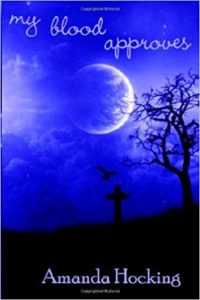
My Blood Approves (My Blood Approves #1) by Amanda Hocking

What I like about it:

  • Blue is such an eye-catching colour.
  • The gravestone and bird are making my imagination flutter at the thought of what they might mean.
  • As you’re about to discover, I love seeing plants, animals, and other nature-related stuff on book covers.

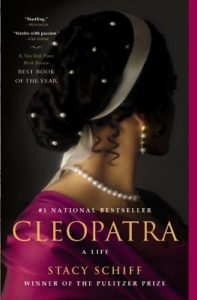
Cleopatra: A Life by Stacy Schiff

What I like about it:

  • Wow, this model is beautifully dressed.
  • Not seeing her face means we all get to imagine it for ourselves. I appreciate that.
  • Purple is my favourite colour, and her dress looks like it has lovely purple hues.

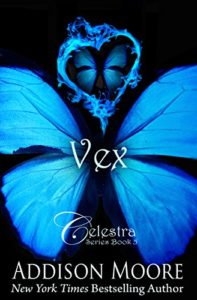
Vex (Celestra #5) by Addison Moore

What I like about it:

  • Butterflies are gorgeous creatures.
  • The metallic hue to these wings give this book a nice sci-fi flair.

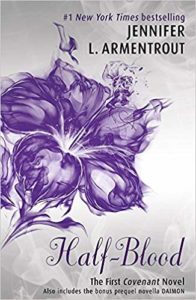
Half-Blood (Covenant #1) by Jennifer L. Armentrout

What I like about it:

  • Purple!
  • Not only is it purple, it’s a whimsical purple flower!!
  • I am a creature of habit.

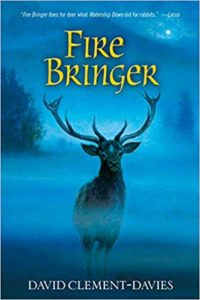
Fire Bringer by David Clement-Davies

What I like about it:

  • This shade of blue is so beautiful. It reminds me of  how refreshing that first day of cool autumn weather is after a long, hot summer.
  • I have many relatives who were or are hunters. The deer on the cover reminds me of their hunting trips during what could be chilly, foggy weather as well as the delicious taste of fresh venison when they were successful.

Fate (My Blood Approves #2) by Amanda Hocking

What I like about it:

  • There’s something otherworldly about a sky that doesn’t have a usual colour.
  • At the risk of repeating myself, purple covers always grab my attention.
  • Now I want to know what happened to the bird and gravestone in the first book in this series.

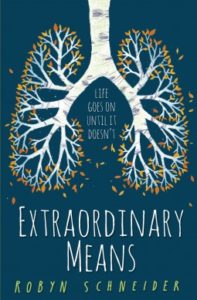
Extraordinary Means by Robyn Schneider

What I like about it:

  • I’m fascinated by the fact that the image on the front is both a set of human lungs and tree branches.
  • It leaves a lot to the imagination. In general, I prefer covers that hint at what they’re about and let the audience discover for ourselves what those hints mean.
  • Apparently, I am only capable of adoring covers that are some shade of purple or blue.

I never would have guessed my cover preferences were so specific. This was such an interesting post to put together.

Have any of you read any of these stories? Do our cover preferences match in any way?

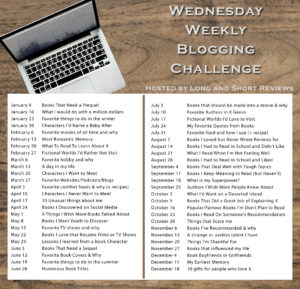
Click here to read everyone else’s replies to this week’s question. The image below is the list of upcoming prompts for this blog hop.

12 Comments

Filed under Blog Hops

Top Ten Tuesday: Unpopular Bookish Opinions

Hosted by That Artsy Reader Girl

It’s going to be interesting to see how everyone responds to this week’s prompt. I wasn’t sure if I could come up with enough responses to justify participating this week, but luckily I did.

1. Sometimes the movie is better than the book.

For example, The Hobbit was a fantastic book. Peter Jackson’s trilogy based on it was not something I’d ever watch again.

2. While I regularly seek out #OwnVoices stories, every author who is willing to do the appropriate research should feel free to create characters from any background or identity they wish.
Speaking as someone who is bisexual, it makes me so happy when mono-sexual authors write bi characters so long as they talk to people from my community about our experiences and listen to our feedback on how to create non-stereotypical characters if they have any questions about the appropriateness of their ideas.

The more representation we get, the better! I’d also love it if we could create a literary culture that expects inclusivity in every story and applauds authors who put the work in that is necessary to create fresh characters from a wide range of backgrounds.

3.Stalking and jealousy aren’t romantic.

I see this a lot in young adult novels especially, but it bothers me when a young girl is harassed by a guy who knows she’s completely uninterested in him. It’s even more concerning when he continues to pursue her no matter how often she turns him down or tries to avoid him. Sometimes these “love interests” will also start telling her to stop talking to certain people, insist she dress a certain way, or make other big changes to who she is as a human being without her consent.

The thing is, this isn’t romance. It’s abuse. This is a totally unacceptable way for anyone to behave and should never be part of any romantic storyline…especially when it’s written for teenagers who might not have enough life experience yet to catch these red flags if or when they pop up in real life.

4.  Characters who die must stay dead.

I’m looking at you, super heroes and other inhabitants of graphic novels.

Exceptions to this rule include ghosts, zombies, and vampires, but  character can only be one of them. If they take this path, they should be exactly as dangerous as all of the other ghosts, zombies, or vampires out there.

I have no interest in the “true love makes it safe to kiss a creature that wants to eat me” trope. If a character is a monster, let them be a proper monster.

5. Short books are better than long ones.

There are exceptions to this rule, of course, but in general I believe it’s better to leave the audience wanting more than to turn what could have been a tightly-written 200 page novel into a 400+ page monstrosity.

I do not need dozens of pages of descriptions of the flora and fauna of a universe in the vast majority of cases. Give me the basic rundown of how that world is different from the one I live in and let my imagination fill in the gaps. It’s so much nicer to get straight to the plot than it is to wade through what I think of as unnecessary descriptions.

6. Proselytizing books are unhelpful.

No, this isn’t about any particular religion, ethical stance, or philosophical belief. I don’t care what point the author is trying to make or even if I happen to agree with them. Books should never be used as an excuse to sermonize.

They should be used to, you know, tell a story and entertain their audience. By all means introduce a sympathetic character who happens to be on your side of issue X if it happens to genuinely fit the storyline, but always stay focused on developing the plot and characters instead of pressuring the audience to join you in your love of big, purple hats or personal vendetta against cilantro.

7. Hype is like a drug

I tend to be cautious about books that are heavily hyped up. If they’re still receiving glowing reviews six months or a year after they are published, I will start to take the overwhelmingly positive response to them more seriously.

This isn’t to say that I avoid reading books that have overwhelmingly positive reviews, only that I try to temper my expectations if the response to them feels too good to be true.

8. Excessive slang makes novels feel dated before their time.

In no way do I expect characters to speak formal English all the time, but will we remember what TBF or honey wagon means 20 years from now? If every single scene in a book is filled with slang terms that are only a few months or years old, it makes me wonder if people will still find it readable in the future.

9. Some love triangles should have unconventional endings.

Love triangles would be rare if I had my way. In my opinion, they’re overused and often take up space that would be better allotted to resolving the main conflict. If they’re going to keep existing, why not wrap them up by:

  • Everyone turning out to be polyamorous
  • The main character choosing to keep dating around instead of picking from their first two options
  • The two love interests deciding to date while the main character ends up happily alone
  • All three characters finding partners who are better matches for themselves elsewhere
  • Everyone ending up happily single for now (or forever)
  • The main character picking one person for a romantic, committed, asexual happily ever after

I believe we need much more diversity in what is counted as a happy ending in tales that decide to make love a conflict.

10. Most stories should not have romantic subplots at all.

This might be my most unpopular bookish opinion of all, but I’ve grown weary of how often characters in non-romance genres suddenly end up in relationships when they have more pressing concerns in their lives like running from a hoard of zombies or figuring out who the killer really is before they become his next victim.
Look, I’ve been happily married for years. Romance and love are incredible experiences…but there are many other equally thrilling things to explore in fiction and in real life.

I dislike the cultural pressure that is placed on folks to be married or in a longterm romantic relationship regardless of whether that’s something they actually desire in the short term or long term.  I feel like making every character have a love interest only makes this pressure more intense.

Despite the occasionally critical things I’ve had to say about romantic plots today, I am in no way opposed to them in general. I simply wish it were as common for characters to be asexual, demisexual, polyamorous, or even simply too focused on building a career, dating around, or fighting the undead to settle down right now as it is for everyone to pair off by the final scene in so many of the books out there.

116 Comments

Filed under Uncategorised

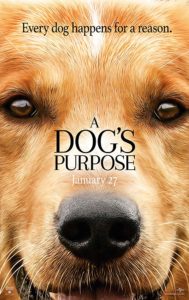
Second Chances: A Review of A Dog’s Purpose

Last year I blogged about my to-watch list of science fiction and fantasy films. Since then, I’ve been periodically reviewing certain speculative fiction films that I enjoyed and thought you all might like, too. Previous instalments in this series include Into the Forest, Annihilation, CocoWinchester, The Little Stranger, Astraea, and The House with a Clock in Its Walls.
Content Warning: animal mistreatment and animal deaths. I will only briefly mention those aspects of the plot, and this will otherwise be a spoiler-free review. 

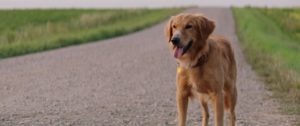
A Dog’s Purpose is a 2017 modern fantasy film about a dog named Bailey who was reincarnated mutiple times during his quest to find his original owner. It is based on a book by the same name.

The fantasy elements of this tale are light and contemporary. Think something closer to the magical realism genre than Lord of the Rings.

The Characters

There are quite a few characters in this film I can’t discuss without giving away spoilers because of the episodic nature of Bailey’s lifetimes. Every time he was reborn, he met a new cast of characters who taught him important lessons about what it means to be a good dog and to live a worthwhile life.

For the record, I discuss characters in the past tense in all of my film reviews in order to avoid giving my audience any spoilers for films that don’t involve reincarnation. Don’t read anything into it other than that if you happen to check out previous reviews at the top of this post.

Josh Gad as the voice of Bailey

Bailey was the main character of this story. He was an optimistic and friendly dog who looked for the good in everyone he met. With that being said, his personality changed a little bit from one lifetime to the next. There was always something likeable about him, but to my surprise he didn’t have the same quirks, habits, or preferences in every lifetime.

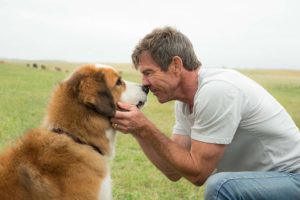
Dennis Quaid (right) as Ethan

Ethan was Bailey’s first owner and the first person to treat this dog with all of the love and the kindness he deserved. They originally met when Ethan was a child, and they spent many happy years together at the beginning of their friendship. The emotional bond between them was something that even death itself couldn’t break.

My Review

Let’s talk about the content warning I added for this review before discussing anything else about it. As I mentioned earlier, this tale follows one dog through several different lifetimes. Some of the lives he experienced were not happy ones, and there were scenes that showed him being mistreated by the humans around him. Since this was a children’s movie, none of those scenes were long or particularly graphic.

The difficult chapters of this dog’s existence were sugar-coated at times for the sake of the audience. I’d be happy to go into more detail about this part of the plot privately with anyone with needs more information before deciding to watch it, but I didn’t have trouble with it even though I’m generally sensitive to this sort of content. It was handled gracefully.

Bailey (right) in one of his earlier lifetimes.

One of the most interesting things about A Dog’s Purpose for me was seeing all of the changes to Bailey’s personality from one life to the next. Despite having the same soul, he evolved every time he was reincarnated.

To give one example, he was an active, energetic dog in some lifetimes and perfectly content to sit on the couch with his owners and watch television in others. I’ll leave it up to all of you to discover the reasons why he didn’t behave exactly the same way in every incarnation he experienced, but I did enjoy what the screenwriters were doing with these shifts in his temperament. They were all explained well.

There were times when I found this film a little too sentimental. This may have been due to the age group it was written for, but I would have preferred to see a more pragmatic approach to his journey in certain scenes. Bailey’s goal was a lofty one for a dog, and there were instances when it would have been nice to for him to run up against some more obstacles while he tried to find Ethan again.

With that being said, I was intrigued by the thought of a dog trying to figure out the meaning of life for his species. It wasn’t something I’d expect a canine narrator to think about, so it was interesting to see how he came up with his theories about why he kept being reborn and what he was expected to do with all of his lives.

This was a mostly lighthearted and uplifting movie that I’d recommend to kids and adults alike. Despite the occasionally sappy moments, I did enjoy seeing what Bailey’s various lives were like and how he made the best of each one of them.


A Dog’s Purpose is available on Netflix and iTunes.

4 Comments

Filed under Science Fiction and Fantasy

Interview with Patrick Prescott

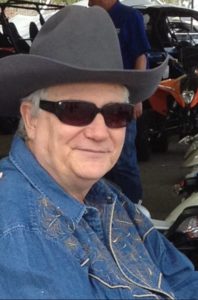
Say hello to Patrick Prescott ! He responded to my speculative fiction interview post shortly after it was published, and I’m so pleased to share his answers with you today. 

What was the first speculative story you ever remember reading?
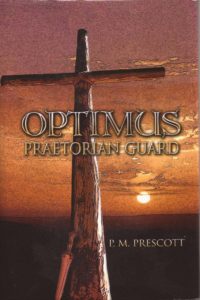
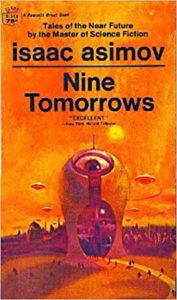
It was an anthology by Isaac Asimov called Nine Tomorrows. I was thirteen.

Who is your favourite author? Why?

Just one? Harlan Ellison, JRR Tolkien, Robert Heinlein, Isaac Asimov, James A. Michener, Harold Robbins, Jacqueline Suzanne, Anne McCaffery, Colleen McCullagh, Tony Roberts, Tom Clancy, Joseph Badal, I could go on ad infinitum. Why, because they caught my interest and held it. All of them have influenced me and my writing.  

What do you like most about the genre(s) you read?

I’m eclectic reading all genres. I avoid mad slasher, bloody gory horror, but enjoy ghost stories and stories of suspense. When I get tired of action adventure, I’ll turn to historical romance or love stories, then move on to something else that looks like a good story.

More and more authors seem to be writing cross-genre stories these days. How do you feel about this trend?
The more the merrier. Harlan Ellison wrote in so many genres, yet he was fascinating in all of them. Asimov wrote some of the best historical textbooks out there. He has books that explain science in a lay person vocabulary. McCullagh is known for The Thorn Birds, but her First Man in Rome series greatly influenced my first novel Optimus: Praetorian Guard. Tony Roberts writes the Casca books but has two fantasy series of books that are some of the best ever written, and I’m waiting impatiently for the next book in those series, he also has a contemporary series on a female rock star.

If you could name a pet after one character, which character would you choose? Why?

I have a fifteen-year-old cat named Pippin after Peregrine Took. I rescued him when the Lord of the Rings movies first came out. He is a “Fool of a Took!”

What fictional world would you never want to visit?

Halloween, Friday the 13th, Whatever world Steven King creates.

What fictional world would you want to visit?

Pern. I want a fire lizard.

Sharing spoilers with people who haven’t read the book or seen the film/show is a hot topic on Twitter and across many fandoms. How do you feel about sharing or overhearing spoilers?

There should be a law, punishable by being lashed with a wet noodle for writing anything about the latest episode of GOT until one week has expired from its airing!

Which series do you think should be made into a TV show or film next?

Dragon Riders of Pern. It’s inexplicable to me that it hasn’t been done. Casca the Eternal Mercenary, now at 50 books. It would great on the History Channel or Sci Fi network. 

Which TV show or film do you think should be turned into a book?

Nothing comes to mind since most movies based off of a script are turned into a book after the fact. Asimov wrote the book Fantastic Voyage after the movie came out. Fan fiction took off with Star Wars and Star Trek.

Bonus Questions

What is the most unusual or interesting way you’ve come up with an idea for one of your creative works?
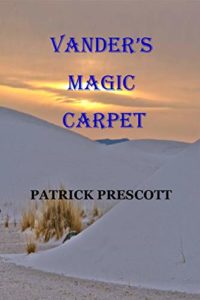
My novel Vander’s Magic Carpet came from a friend who was a physics professor at UNM. He was giving a speech on cold fusion and super conductivity. He asked me to edit the speech, he speculated that super conductors could be used to make flying cars and cold fusion would be cheap means of fuel. I used his idea on making a flying car, discarded cold fusion and focused on how to market flying vehicles after the fall of the Twin Towers in 2001.

Sometimes characters don’t do what their creators want them to do. If this has ever happened to you, how did you deal with it?

Each character has its own stream of consciousness. Go with the flow as the creativity comes. Sometimes the characters can get out of hand and later you have to clean up the mess, but that’s better than an empty page.

What is your favourite trope?

In Human Sacrifices I tried to explain the how belief in God follows two paths. Same god, but the choice between a god of death and destruction of a god of forgiveness and love. Ayn Rand used the same trope in Atlas Shrugged only as a philosophy of life or death.

What tropes do you try to avoid in your stories?

A character that is pure evil.

About PatrickI’m a retired English/History educator. When I started writing Optimus: Praetorian Guard I could write over summer breaks but stalled during the school year. It took me ten years. I struck out trying to get a publisher until I found out about Print On Demand. Optimus was published in 2006 using P.M. Prescott. Cost me a fortune buying books and selling them at different bookstores.
I retired a few years later after 27 years of teaching and discovered e-books. I bought the publishing rights and converted Optimus into e-book and started writing full time. I dabbled in adult fiction under the name Javan Tenebrae. Got that out of my system and went to more mainstream as Patrick Prescott: Vander’s Magic Carpet, Human Sacrifices, Fletcher Family Battle Trilogy, Fan Plan Trilogy, Apple of Success, and Cloisonné Heart.

All of the e-books are available on Amazon for free if you have Amazon Unlimited or .99.

In adult e-books Corrupt or Convert was ranked 38th for a week. In mainstream Vander’s Magic Carpet sold more in the UK market than US for some reason. Optimus has been a consistent seller.

Back then e-readers were new and demand for e-books was high, but now there’s a glut on the market of writers and less demand. Many writers are e-publishing a book a week or month. I’m not that prolific.

4 Comments

Filed under Interviews

Wednesday Weekly Blogging Challenge: Books That Need a Sequel

Hosted by Long and Short Reviews.

I struggled with this week’s prompt because I’ve seen so many examples of genuinely great story ideas that were stretched out into more books than their premise actually required in my opinion. If they’d stopped after the first or third or fifth book they would have been much better.

This isn’t to say that I dislike sequels in general. Some of my all-time favourite stories were written in this format! There simply needs to be enough conflict and character development to actually warrant two or more books in any universe if I’m going to keep reading them.

Due to this, my list is going to be shorter and quirkier than usual.

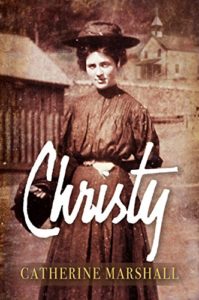
Christy by Catherine Marshall

This is one of the very few inspirational novels I’ve ever read, and it’s been many years since I read it. The plot was loosely based on the real life experiences of the author’s mother when she was a schoolteacher in a rural Appalachian community in the early 1900s. Christy, the main character, had been quite sheltered growing up, so she was horrified by the poverty, dysfunction, and terrible living conditions of her new home when she accepted this teaching job.

As smart and energetic as Christy was, I didn’t like how judgemental she was of the families of her students or of how quick she was to meddle in their lives. She seemed to have good intentions, but I would have been pretty offended by her attitude and how much she thought she should have control over what other adults did if we’d lived in the same area.

There was still a lot of room left for her personal development by the final scene. It sure would be nice to revisit this character later on in life to see if she’d overcome these flaws.  Part of the problem was that she was a very young teacher when she accepted this assignment. With some more life experience, I think she would have reacted to this culture quite differently.

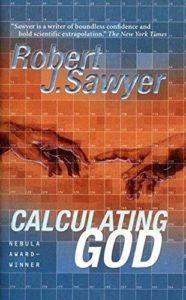
Calculating God by Robert J. Sawyer

This book was written by one of Canada’s best science fiction authors, and it’s about a Royal Ontario Museum palaeontologist who meets a friendly sentient alien.

They strike up a friendship and begin to share information about their cultures, histories, and physiologies. There are far more similarities between Earth and the alien’s planet than should be possible.

Both the main character and his alien friend have their own opinions about why their planets have so much in common. I can’t give away what those theories are without sharing spoilers, but I really liked seeing how they debated the evidence and came to their own conclusions. (No, this is not an inspirational book despite what the title may hint at. It’s far more science and philosophy based).

Oh, and The R.O.M. is a real museum here in Toronto. I highly recommend checking it out if you’re ever in the area. They have everything from Egyptian mummies to rare gems to dinosaur fossils there. If you do visit, I can even tell you how to get in for free no matter how big your group is if you have some flexibility as far as the date and time of your visit goes.

Well, this was a short list this week. I hope all of you were able to come up with lots of books to talk about on yours.

Click here to read everyone else’s replies to this week’s question. The image below is the list of upcoming prompts for this blog hop.

14 Comments

Filed under Blog Hops

Top Ten Tuesday: Ghost Stories

Hosted by That Artsy Reader Girl

My favourite genre is science fiction and fantasy. Since that’s an impossibly broad answer to this week’s prompt, Books From My Favorite Genre, I decided to narrow it down to something specific: ghost stories.
I adore ghost stories, especially the ones that rely on psychological horror instead of jump scares or anything gory! They’re one of the micro-genres under the speculative fiction umbrella that will always grab my attention.

The interesting thing about this list is how many classics it contains. I hadn’t realized that so many top-notch authors have written about ghosts, but they have.

1. The Woman in Black by Susan Hill

This is one of my all-time favourite ghost stories because the spirit had a completely valid reason for haunting and hating the living. I won’t give it away to those of you who haven’t read it. Just know that you might end up sympathizing with the ghost more than you do with her victims. I sure did.

2. A Sincere Warning About the Entity In Your Home by Jason Arnopp

Since this is a short story, I can’t tell you much about the plot other than it was written in the form of a letter from a former tenant to the current tenant of a very dangerous home. It’s delightfully scary and quite well done, though.

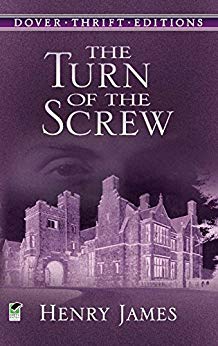
3. The Turn of the Screw by Henry James

We need to talk about the fact that season two of the Netflix series The Haunting of Hill House is going to be based on this story. I’m sure they’ll make as many changes to the plot as they did with Shirley Jackon’s novel, but I’m super excited to see how the screenwriters interpret something that wasn’t as blatantly paranormal as The Haunting of Hill House.

My best guess is that they’re going to amp up the hauntings by a thousand to make it work for the small screen.

4. The Little Stranger by Sarah Waters

Someday I need to write full reviews of the other Sarah Waters’ novels that have enough speculative fiction content to fit into my Science Fiction & Fantasy tag on this site. Here is my review of the amazing film version of The Little Stranger, so all I’ll say about it in this post is that it’s about a crumbling mansion that may be haunted by the angry spirit of a child who once lived there. Both the book and the film were deliciously spooky, and I can’t recommend them highly enough.

5. The Woman in White by Wilkie Collins

No, this has no connection to the first book on this list, although it would be quite interesting to see what the Woman in White would think of the Woman in Black. One of them is a ghost, and the identity and corporealness of the other one can’t be shared here without giving away spoilers. (If corporealness wasn’t an official word before, it is now!)

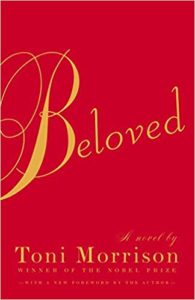
6. Beloved by Toni Morrison

My mom was so freaked out by the film version of this book that she almost walked out of the theatre. I wasn’t with her for that viewing, but I loved seeing this tale about an ex-slave named Sethe who was haunted by what might have been the spirit of her dead child twenty years after she purposefully killed that child to prevent her from being taken back into slavery.

The best ghost stories in my opinion are the ones that explore parts of a culture that many people try to forget or downplay. The multi-generational horrors of slavery were laid bare in this tale, and that made it one of the most genuinely frightening things I’ve ever read.

7. The Haunting of Maddy Clare by Simone St. James

This is a library book I’m currently reading, so I won’t say much about it other than the fact that it’s about a ghost hunter who ended up being targeted by one of the spirits she was supposed to be vanquishing.

How spooky is that? It’s definitely not the kind of attention I’d ever want.

8. The Raven by Edgar Allen Poe

I wish Edgar Allen Poe’s work was talked about more than it currently is. (Maybe I should start reviewing it?) He wrote some incredibly frightening poems and stories that are as relevant now as they were in the 1800s when he first came up with them. I especially love “The Raven” because of how many different ways it can be interpreted. Was the speaker really being haunted, or was he imagining the interference of the raven and other strange occurrences as a way to deal with his guilt over murdering someone?

9. The Mist in the Mirror by Susan Hill

While I don’t normally mention the same author twice in the same Top Ten Tuesday post, Susan Hill deserves a second mention. She really has the haunted house formula perfected. All of her books that I’ve read are perfectly frightening without being gory. The Mist in the Mirror is an especially good one to pick up after The Woman in Black because of how gothic it was.

There’s something about the gothic style of ghost story, crumbling mansion and all, that I find quite appealing.

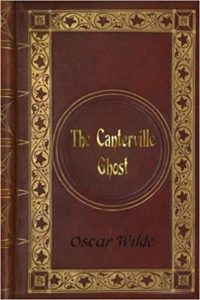
10. The Canterville Ghost by Oscar Wilde

All of the other options on this list are serious and frightening, so I thought I’d top it off with a classic parody of this genre.

Oscar Wilde is one of those famous authors that I’ve always been sorry I couldn’t meet. He had a wonderful sense of humour that somehow feels just as fresh in 2019 as it did in the 1880s and 1890s.

His take on ghosts and haunted houses really should be read by anyone who enjoys these topics. I believe in finding the humorous side of whatever genre(s) you enjoy. There is definitely something to be said for being able to poke fun at what you like, and this is a fabulous example of how to do exactly that.

Also, it’s satirical! I’ll leave it up to you to figure out who or what Mr. Wilde was talking about here, but I found his insights to be pretty darn accurate.

How many of these books have all of you read? Who else in the Top Ten Tuesday community loves ghost stories? I’ll happily accept your recommendations of similar tales if anyone has any!

130 Comments

Filed under Blog Hops

4 Games You Can Play While Listening to Audiobooks

Someone found my blog recently by searching for games one can play while listening to audiobooks. This turned out to be a much better idea for today’s post than the one I was originally working on, so I decided to go for it.
Three of these games have science fiction or fantasy themes woven into them somewhere.  It wasn’t originally one of the criteria for this post, but I did think it was kind of cool. Most of them also don’t require the player to make any quick moves in order to do them well.

What I was looking for when I selected them were games that could be played by someone who was multitasking.

As always, this is an ad-free site. I am not being compensated in any way for what I’m about to discuss. They’re simple but enjoyable apps I’ve enjoyed quite a bit over the years that can be played while simultaneously doing something else with your time.

Monument Valley

Monument Valley is a puzzle game set in a magical world where all but one member of a society has disappeared. The physics and geometry of this place isn’t the same as ours, so some of the solutions can take a while to uncover. Your goal as the player is to solve the puzzles and gradually lead Princess Ida, the main character, closer to the truth about what really happened to her people.
The beautiful thing about this game is that there is no spoken dialogue or time limits on any of the sections. While there is background music, it can easily be muted.

Rarely, certain scenes will contain a small amount of written dialogue, but the vast majority of one’s playing time involves doing nothing but directing the main character around a map at your own speed in order to figure out how to get from the beginning to the end.

Cost: $4.99

Available on iOS and Windows.

Colorfy

Raise your hand if you loved colouring when you were a kid! I adored it so much that my grandmother kept a big stack of colouring books at her house so I’d always have something quiet and amusing to do there.

Of course, it helped that some of my aunts and uncles hadn’t grown out of using those colouring books yet by the time I was big enough to join in on the fun. Two cheers for large extended families that are used to keeping children amused!

Colorfy provides all sorts of designs for you to colour, ranging from flowers to animals to black-and-white prints of famous paintings.

Is this really a game, you might be asking? Well, I can’t help but to tell myself a story about the characters or scenes I’m colouring when I use it, so I think that’s close enough to a game to be included in this list.

Cost: Free

Available on iOS  and Windows

Minecraft* 

*Creative or peaceful mode only unless you enjoy living dangerously.
Minecraft is a sandbox video game I’ve been playing for so many years now that I don’t need to give it my full attention, especially if I’ve switched to a mode that prevents the monsters from attacking me as I build a house or explore a brand new seed in it.

There is something incredibly relaxing about doing repetitive tasks like that while also working on some other project.  You could even match these two experiences by:

  • Building a castle while listening to a epic fantasy novel
  • Exploring the ocean biome while listening to a pirate’s tale
  • Recreating a crime scene while listening to a mystery

The possibilities are endless, and I can’t praise this game highly enough. It’s one of the first things I turn to when I’m need a happy distraction. There is background music and other noises, but if you stick to creative or peaceful mode it won’t be necessary to hear the moans of a zombie or other monster behind you.

Cost: $9.99

Available on iOS, Mac, and Windows

Tetris

Is there anyone left on Earth who doesn’t already know what Tetris is?

On the small chance that you exist, know that it’s a puzzle game that requires you to arrange various shapes of tiles into solid horizontal lines in order to earn points. It requires concentration but not much thought. There are usually more chances to repair an unfinished line if you keep going.

I’ve played it while simultaneously listening to all sorts of things, from music to audio books. It’s a great way to completely shut out the world and concentrate on something fast-paced but fun for a while.

This isn’t a game I’d play while listening to something dense or hard to understand, but I think a lighthearted plot would work well for it.

Cost: Free

Available on iOS and Windows

What games do you like to play while listening to audiobooks? I’d love to get more suggestions!

6 Comments

Filed under Science Fiction and Fantasy