Reading has always been one of my greatest joys in life. I’ve developed a real knack for finding things to read no matter where I go, and I’ve been known to read just about anything to pass the time. When I was a kid, I even read the phone book for the sheer fun of it! (Do phone books even still exist? I haven’t seen one in many years).
There are still countless books out there that I haven’t read yet. This includes plenty of classic novels, so today’s list is dedicated to all of the classics that I haven’t gotten around to picking up yet. Maybe someday I’ll make the time to read them. I’ve heard plenty of good things about everything on the list below, I just haven’t tried them for myself yet.
Spring was technically supposed to begin in Ontario almost a month ago, but I don’t think Old Man Winter ever received that memo. The last several weeks have been filled with snow, sleet, cold temperatures, and the annoyed mutterings of millions of Canadians who are beyond ready for a proper spring now.
While we’re waiting for the snow to melt away for good and the sun to eventually peek out from behind the clouds again, I’ve been thinking about how often climate change is talked about in the SFF genre. All of the books I’m about to discuss today show what happens to a civilization (or the lack thereof) long after the weather patterns destabilized and the seasons people thought they could count on became unpredictable.
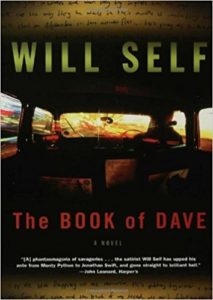
1. The Book of Dave: A Revelation of the Recent Past and the Distant Futureby Will Self.
It’s easy to forget what the past was really like when a society has to struggle to survive every day. This is even more true when it comes to documents that aren’t easy to understand to begin with and when the people reading them are only barely literate at all. This tale showed what happened when the journal of an frustrated cab driver was accidentally discovered five hundred years after his death and fashioned into a harsh, new religion.
The satirical elements made me laugh, but it also made me think about how easy it is to misinterpret something that was written a long time ago in a culture that was nothing at all like your own.
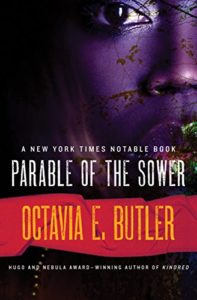
2. Parable of the Sower (Earthseed, #1) by Octavia E. Butler.
I must be honest with you here. Water isn’t something I ever worry about running out of in Ontario. It’s so abundant here that I can’t see us running out of it anytime soon.
Not everywhere on Earth is like this, though. There are places like California that are using water faster than it can be replenished. They’d be in trouble even if the climate in their area wasn’t already becoming drier than it has been before.
The characters in this book had to face the threat of running out of water at the same time their government collapsed, their home was destroyed, and their family was torn apart.
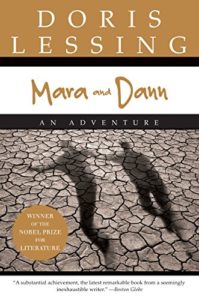
3. Mara and Dann A Novel by Doris Lessing.
Take the crises of one country in Parable of the Sower and expand them to the experiences of millions of people across an entire dying continent in the distant future.
This was actually the first science fiction book about climate change that I ever remember reading. The fact that it was told through the perspective of an orphaned and often painfully hungry child only made her observances of how climate change can destroy entire civilizations even more poignant. Mara and her brother did nothing to deserve all of the suffering they experienced, and yet that couldn’t save their parents’ lives or fill their stomachs with food when all of the rivers dried up and the crops failed.
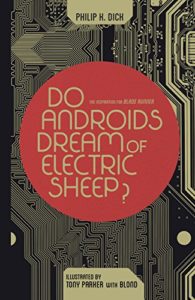
4. Do Androids Dream of Electric Sheep?by Philip K. Dick.
Climate change has already begun driving far more species to extinction than is typical in our world. How many more species we’ll lose forever depends on many factors, and I can’t even begin to guess what the final tally will be.
The interesting thing about the setting in this book is that it happened after humans have killed off so many other species that we began making robotic versions of various animals to keep us company. There were even robotic people who had no idea they were robots because they looked, felt, and sounded exactly like biological people.
It wasn’t addressed clearly in the plot from what I can recall, but I always wondered what everyone was eating to stay alive in this universe after all of the old ecosystems had been destroyed.
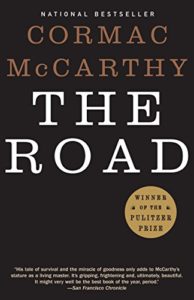
5. The Roadby Cormac McCarthy.
Only read this book if you’re comfortable with very dark and disturbing plots. I’m glad I read it once, but I was so saddened and horrified by certain plot twists that I don’t think I could stomach them again.
The Road could be the logical conclusion to any of the books listed above. It was set at a time when there were no plants and animals left on Earth and the few remaining humans were all slowly starving to death. The main character, an unnamed father, must try to keep himself and his young son alive against impossible odds.
What is your favourite science fiction or fantasy novel about climate change?
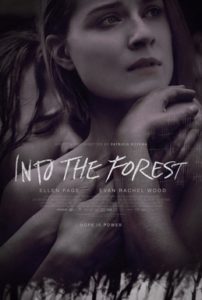
A few weeks ago, I blogged about the never-ending list of films I’d like to see someday.Into the Forest was the first movie from that list I’ve watched since then, and I liked it so much that I decided to review it today. This story does include a rape scene that I will be discussing briefly later on in this post, so consider this a spoiler warning and a trigger warning (if needed).
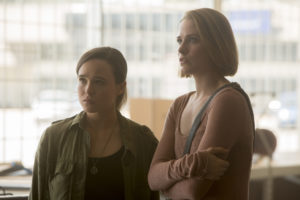
Into the Forest is a Canadian film based on a young adult book by the same title by Jean Hegland. It followed the lives of two sisters, Nell and Eva, after the west coast of the United States permanently lost power for unknown reasons and society fell apart.
One of the things that made this story unique was how few characters it has. While there were a handful of people who were briefly part of the time in Eva and Nell’s lives that was covered in this film, the vast majority of the storyline was about the complex relationship between these sisters and how hard they worked to survive on their own at their rural home.
Eva, the older sister, had been studying to become a professional dancer before the blackout. Nell, the younger sister, was preparing to take her SATs and apply for college. They were smart young women, but neither one of them had any experience in practical skills like hunting, first aid, farming, or self defence before this adventure began.
One of my favourite parts of this film was the strong pacing of it in the beginning. The electricity went out a few minutes into the story without any advanced warning, so the characters almost immediately needed to make major adjustments to their lifestyle. Nell and Eva had been so loved and sheltered that neither of them really understood how much their lives changed in that moment, but they were about to find out.
I’ll be honest with you: it took a while for these characters to grow on me. They were young and a little entitled in the beginning. I didn’t appreciate the way they complained about small inconveniences like not having enough spare power to play music when there were far more important things in be for them to be worried about.
With that being said, I adored the complex relationship between these sisters. Eva and Nell argued, played, dreamed, and schemed with each other just like all siblings have since the beginning of time. They had a bond that was stronger than anything else in their little world. Watching them both mature from girls into confident women together was a highlight of this story for me.
Since they hadn’t known that the blackout was coming, there was no logical way for their family to stock up on food, basic medical supplies, gasoline, or anything else that would have made their lives easier once all of the stores shut down. The few items they were able to buy shortly after the power grid failed were precious, but they were a drop in the bucket when compared to what this family actually needed in the longterm.
While I would have liked to see a little more character development, I did end up liking Nell and Eva quite a bit by the end. They proved just how resourceful they could be in a world where they could only rely on themselves and each other to stay safe. As young women who were living in an incredibly isolated area, they either had to learn to work together or risk dying alone from starvation, injuries, or the violent urges of other human beings.
Yes, that was a reference to the rape scene. I hated the fact that one of these characters had to add that traumatic experience to all of the other awful things they went through as they struggled to survive, but this is something that regularly happens to people even when police officers still exist and can be called for help. From what I’ve read, the risk of sexual assault skyrockets after disasters of any kind.
The foreshadowing in this film was really well done in general. It was subtle, but any attentive viewer could find satisfying hints about what will happen later on if they paid close attention to the first fifteen to twenty minutes of the storyline. Since this was originally written for teenagers, I liked the fact that there were so many hints about what these sisters were about to experience. It was the right choice for this age group.
I also appreciated the fact that Nell and Eva knew almost nothing about what was going on in the outside world. As much as I wanted to know what caused the power outage and whether cities and towns had begun to get back to normal after a year or two had passed, it made sense that two young people who were living in a house in the woods far away from the nearest community wouldn’t have any way of knowing for sure what was happening elsewhere or whether the few vague rumours they’d heard were at all true.
Potentially Sensitive Content
As I mentioned earlier on, this film does contain a rape scene. While it was shot in an artistic manner that focused on the victim’s face instead of more graphic material, this is something that viewers who are sensitive to this topic should be aware of in advance. The rape played an important role in what happened later on in the storyline, and it was referenced later on multiple times as the characters reacted to it and the victim healed from it.
The gore factor was pretty low in general, although one character did die in a brief but bloody accident early on and there was a hunting scene later on that showed a wild animal being butchered after it was shot.
Should You Watch It?
Yes, I would recommend watching Into the Forest to both teen and adult viewers. Due to the mature themes, I wouldn’t recommend to anyone under the age of fourteen.
I’m a pretty quiet person in real life. One of the topics that I always like to talk about with anyone who is interested, though, is food. For example, I might ask you what your favourite food is or talk about a delicious meal I made last week. This week’s list is all about books that gave me cravings when I read them.
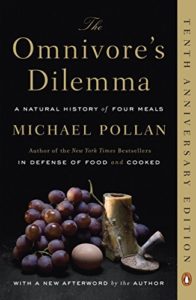
1. The Omnivore’s Dilemma: A Natural History of Four Meals by Michael Pollan.
I could almost do an entire Saturday Seven post on Michael Pollan’s books alone. I really appreciate the fact that he takes such a well-rounded approach to figuring out what and how humans should eat from a nutritional, environmental, and cultural perspective. Then you also need to factor in any medical restrictions (diabetes, food allergies, interactions with certain drugs, etc) you might have on what you can eat. The answer won’t be exactly the same for every person or geographical region on Earth. I like the flexibility of that. It makes me hungry! Hehe.
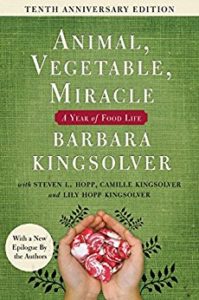
2. Animal, Vegetable, Miracle: A Year of Food Life by Barbara Kingsolver.
Imagine spending an entire year trying to eat nothing but food you’ve either grown or bought from people who lived nearby. It’s not something I could do year-round in Canada without risking vitamin deficiencies from barely having any vegetables or fruit to eat for months on end, but I do follow many of this author’s principles when the weather allows for it. And now I’m craving Ontario-grown strawberries. They’re mouthwateringly delicious, and they’ll be in season in a few short months.
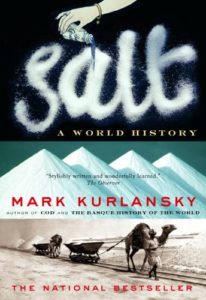
3. Salt: A World History by Mark Kurlansky.
Salt is common and inexpensive now, but it used to be so valuable that it was used as a form of currency. This is the kind of book I’d only recommend to people who are extremely interested in this topic. It wasn’t a light, fluffy read at all, but it did make me crave salty foods like homemade soft pretzels.
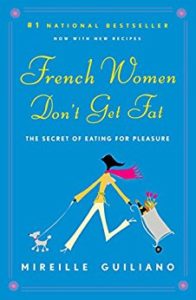
4. French Women Don’t Get Fat: The Secret of Eating for Pleasure by Mireille Guiliano.
I loved the common sense messages in this book about moderation, fitting walking and other forms of exercise into your daily routine, and never being afraid to enjoy what you eat. There’s something about this easy-going approach to life that makes me look forward to my next meal regardless of what it happens to be.
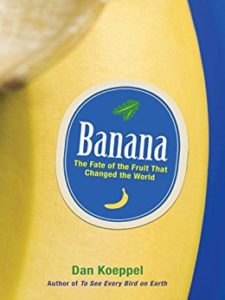
5. Banana: The Fate of the Fruit That Changed the World by Dan Koeppel.
When I first read this a decade ago, I wondered if I’d live to see the day when the Cavendish banana went extinct. It hasn’t happened yet, and I sure hope it never does. Doesn’t the banana on the cover make you wish you could eat a banana right this second? That sure was my reaction to it.
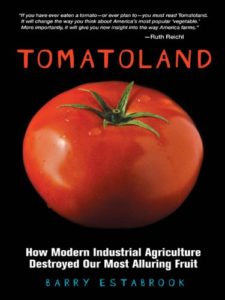
6. Tomatoland: How Modern Industrial Agriculture Destroyed Our Most Alluring Fruit by Barry Estabrook.
This actually made me seek out one of those old-fashioned tomatoes that hadn’t had so much of its flavour bred out of it. It was really good. If only that kind of tomato wasn’t in season for such a short time. I could go for one of them right about now.
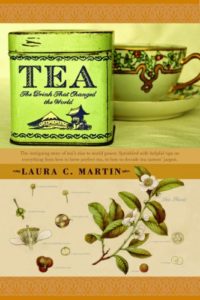
7. Tea: The Drink That Changed the World by Laura C. Martin.
I drink a decent amount of caffeine-free herbal tea, especially during the winter when I want to warm up. If caffeine didn’t make me so jittery, I’d branch out and try more of the teas that this author talked about. They sounded delicious.
Do you read nonfiction books about food or beverages? What are you craving right now?
Here is this week’s list of comic strips, poems, and other links from my favourite corners of the web.
Why I Love Maps via sbrown9710. Seventy percent of the reason why I’m including this link in today’s post is because my mother loves maps, too. She reads my blog, and there’s an excellent chance that this will be the first link she clicks on from it today. Hopefully, other folks will enjoy it as well.
Top Ten Dark Fiction Books via ajseftonauthor. Other than The Wasp Factory and Crime and Punishment, I’ve read everything on this list and agree that it’s good material for people who like dark stories.
Life Was Not Always Better. Occasionally, I like to walk through old cemeteries and read the headstones I find there. It’s fascinating to see what names were popular decades or centuries ago that you don’t see being given to newborns these days. This post touches on another reason why walking through old graveyards is educational, and it has to do with what parents expected to happen to their children. Let’s just say that it’s only been in the last few generations that the vast majority of families in western countries could assume all of the children they brought into the world would survive to adulthood. I hope that this will someday be something that people in every country on Earth can assume.
The Creation of the Universe. Despite the title, there’s nothing religious or scientific about the nature of this link at all. It’s pure silliness, but it did make me laugh.
Honoring Earth Day by Saving Money via SLMarchisello. I especially liked this blogger’s tips about food. I know I occasionally have trouble finishing everything I’ve bought before it goes bad.
What the Hospitals of the Future Look Like. Wow, this was interesting. I never would have guessed that the idea of convalescing at home with daily visits from your family doctor would come back into fashion. It seems like such an old-fashioned idea, and yet the reasons for going back to that kind of care do make sense.
Disclaimer: there are mild spoilers for the book and major spoilers for the first season of The Handmaid’s Tale in this post.
How is it possible that almost an entire year has passed since the release of the first season of The Handmaid’s Tale? It honestly feels like I just finished watching this show.
I used to roll my eyes when adults said that time sped up as they grew older, but now I completely understand where they’re coming from.
April 25 is the release date for the second season in the United States. Last year, Canada was about a week and a half behind the United States on new episodes. That meant that by the time I saw episode three, for example, people in the US had already seen episode five.
It looks like that waiting period for those of us in Canada will be shortened to about five days this year. Avoiding spoilers is going to be easier this time around, and I’m very grateful for that!
While we’re counting down the last few weeks until season two begins, I thought I’d list five things I’m hoping to see in it.
1. A Detailed Look at How the U.S. Government Was Overthrown
The first season spent a decent amount of time showing how Commander Fred and his associates built up the social and practical support they’d need for the moment when the United States ceased to exist and the Republic of Gilead was born, but we still don’t know the logistics of how a small percentage of the population was able to take control of one of the most powerful countries in the world.
Without giving away too many details for anyone who hasn’t read the book yet, this was something that was briefly addressed in The Handmaid’s Tale. However, Offred was such an ordinary, non-political person before all of this began that she only knew the basics of how her government replaced. She was not privy to any of the details of what exactly happened or how it was planned out.
On a positive note, this means that the screenwriters will have a lot of leeway in showing what happened to the previous leaders of the country formerly known as the United States.
2. Happy Baby News for Offred
In the first season we learned that 80% of pregnancies in this universe are now ending in a miscarriage, stillbirth, or serious birth defects for reasons that no one has been able to figure out. The odds aren’t in her favour, but I’m hoping that Offred being the protagonist of a beloved show will make the writers hesitant to kill off her child.
Babies who were born with birth defects in the novel version of The Handmaid’s Tale never grew up. It was heavily implied that this was due to at least some of them not being allowed to live instead of their health issues being too difficult to treat. As curious as I am to know how such a baby-obsessed society would rationalize killing an infant who could have lived if they were given medical treatments, I’m crossing my fingers that Offred’s child won’t be the one to show us how this system works if she doesn’t make it to Canada before she gives birth.
3. Reunions with Hannah and Luke
Is seeing Offred reuniting with her daughter and husband too much to ask for season two? We know that all three of them are still alive as of the end of the first season. Luke is safe in Canada, Hannah is living with a high-ranking official in Gilead, and Offred has possibly been rescued by the Resistance.
My fingers are crossed that they’ll be together again soon, even if it turns out to be a temporary reunion for the sake of future plot twists.
4. Scenes From the Colonies
The Colonies were describe in the book as a place that rebellious, infertile, elderly, sick, and/or politically useless people were sent. Some of them cleaned up toxic waste while others were responsible for tasks like farming. They were a quiet threat to the life of anyone who wasn’t wealthy and powerful who fought back against their assigned role or who had the bad luck of being diagnosed with a serious illness.
Based on the previews, we will be seeing The Colonies at some point. Any scenes set there are almost certainly going to make me cry, but I still want to know exactly what life was like for Offred’s mother and other people who were deemed not worthy of being kept around.
5. What’s Going On in the Rest of the World?
We already know that Mexico is suffering similar problems with infertility, miscarriages, stillbirths, and life-threatening birth defects in this universe.
If the reproductive issues are limited to these two countries, it could point to a specific environmental cause that the characters in this show will eventually be able to fix.
On the other hand, we might find out that many other countries are suffering in the same way. My fingers are crossed that we’ll get a peek at what’s going on in Africa, Europe, Asia, South America, Australia, and the rest of North America.
I was always a little frustrated with how vague the book was about this part of the plot even though I understood why Offred couldn’t possibly know what life was like thousands of miles away when the news was so heavily propagandized and filtered.
If you’re watching this show, what do you hope will happen in the second season?
The other day I learned something surprising about bananas.
Did you know that bananas were nearly impossible to find anywhere in England during World War Two? As a perishable fruit that had to be imported, it simply wasn’t possible for the government to keep this food source available while there was a war going on.
People improvised all sorts of creative mock banana recipes during those years. One of the most common replacements for this beloved fruit involved boiling parsnips, mashing them, and then adding a little banana essence and sugar. The resulting mixture could be spread on a piece of bread and eaten.
The world changed dramatically between the early 1940s and my childhood. I never would have guessed that bananas had been so hard to find or that people needed to invent replacements for them in the twentieth century. When I was growing up, they were one of the staple snacks in my family due to how inexpensive and healthy they were. I’d often eat a banana after school to tide me over until dinnertime without thinking twice about it.
Study History
True stories like this one are why I think creative writers – especially those in the speculative fiction genre who are often responsible for creating worlds that are very different from the one we live in – should read books about what life was like decades, centuries, and millennia before they were born.
What you and I might consider to be so commonplace that it doesn’t even need to be mentioned was often unthinkable a few generations ago, whether we’re talking about a child’s afternoon snack, a standard medical treatment for a particular disease, a fashion trend, or what the average person might have thought of a specific hot-button issue of their day.
Yes, it’s true that some of these societal shifts are taught in school. There simply isn’t enough time for students to study most of them, though, even if they have a teacher who understands the value of showing exactly how much a society can change in a few short years.
Will I ever write about a world where bananas suddenly don’t exist anymore? Probably not! (Well, unless the Cavendish variety really does go extinct in our world like it was predicted to a few years ago.)
Knowing how a society responds to the loss of a cheap and much-loved type of food can be invaluable, though, if you’re ever hoping to write anything about scarcity or characters whose lives suddenly become slightly worse through no fault of their own.
You never know when a historical anecdote might prove useful. Most of the history books I read tend to be focused on the lives of common folks. That category is broad enough to cover anything from typical diets of a particular age to the evolution of social mores to how different parts of society reacted to certain epidemics, but you can easily specialize in reading narrower slices of history than that if there’s something specific you want to research.
Discover Patterns
Let’s shift gears and talk about Stonehenge for a moment. When compared to what we know about World War Two (and bananas), our knowledge so far of what purpose Stonehenge was meant to fill, who created it, and why they went through all of the trouble of making it could fit into a thimble.
Too much time passed between when it was erected and when future generations developed the tools they needed to study it in depth. The individuals who planned and built it had been gone for so many generations by that point that some of our questions about it will never be answered. All of their knowledge was lost with them.
For example, I don’t think we’ll ever figure out how prehistoric people who hadn’t invented wheels or pulleys yet were able to pull and push such large boulders into place. (I sincerely hope I’m wrong about that, though!)
On a positive note, the cool thing about studying history even casually is that you’ll begin to see certain patterns emerge from one era to the next even if we no longer have all of the details about how something worked. Stonehenge wasn’t the only culturally or religiously significant place that was built and then later abandoned in our world by any means. There are so many other examples of this happening that I can’t possibly list them all.
Extrapolate From the Past and Use It
Our languages, customs, diets, and clothing might have morphed a lot over the course of recorded history, but human beings themselves haven’t changed much at all since we first began writing down our thoughts.
There have been multiple societies who ignored the warning signs of their coming collapse and who crumbled because of that.
There have been many people who were ahead of their time and whose words weren’t taken seriously by most folks until after they’d died.
There have been all sorts of inventions that dramatically improved the lives of the people who adapted it.
There have been diseases, natural disasters, and conflicts that radically altered how a society functioned for as long as humans have been around to form societies.
The more you know about how, when, and why these things happened, the better equipped you’ll be to come up with how similar events could play out in a dragon-infested medieval village or onboard a high-tech star ship thousands of years in the future.
Disclaimer: I haven’t read any of these books yet, so I can’t vouch for their content in any way. I’m sharing them only because their titles are eye-catching and made me giggle when I found them.
1. Thank You for Smokingby Christopher Buckley.
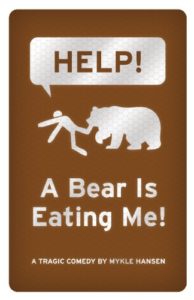
2. HELP! A Bear is Eating Me!by Mykle Hansen.
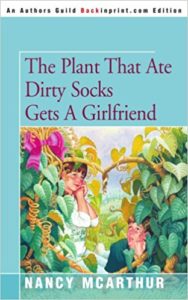
3. The Plant That Ate Dirty Socks Gets a Girlfriendby Nancy McArthur.
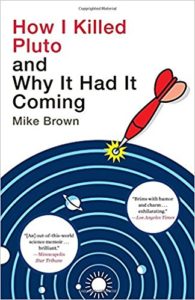
4. How I Killed Pluto and Why It Had It Comingby Mike Brown.
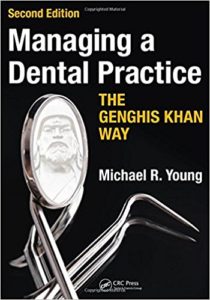
5. Managing a Dental Practice: The Genghis Khan Wayby Michael Young.
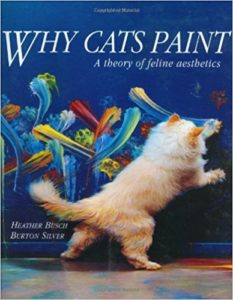
6. Why Cats Paint: A Theory of Feline Aestheticsby Heather Busch.
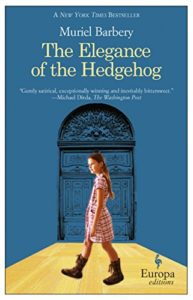
7. The Elegance of the Hedgehogby Muriel Barbery.
What is the funniest book title you’ve seen lately?
Here is this week’s list of short stories and other links from my favourite corners of the web.
How to Build Muscle as Age Tears It Down. If you’re not currently doing weight training exercises, this article might make you want to begin. If you’re already doing this kind of exercise, this article will make you smile.
Eat Like a Poor Person. I really like this method for determining what to eat because of how much freedom it gives to you to determine what your diet should look like. It can work well for vegans, vegetarians, people have food allergies/intolerances, picky eaters, travellers, and so much more. The recipe that’s included in the post looks good, too.
Kingston Book Festival 2018 – So Lit! via naditomlinson. I had to temporarily delay sharing this post with you because my Suggestion Saturday queue was so full, but I’m pleased to share it with you today. This book festival sounds incredibly fun!
Now, keep in mind that we considered ten thousand planets for this season. Earth was by far the most messed up, and we think we could get some really great ratings out of it, but let’s be honest, the place needs more than a new lawn.
Have you ever read a book that described fictional foods you desperately wished you could try? I blogged about this topic in detail a few months ago. Recently, I decided to finally try the closest thing to real Lembas bread that exists on our planet since the elves left Middle-earth at the end of The Lord of the Rings.
Not only is this recipe simple, it uses ingredients that are very common. You might have all of them in your kitchen already! Not having to shop for obscure ingredients that I probably won’t use in any other dishes was one of the main reasons why I chose this particular recipe to try. I bake pretty infrequently (as you’ll hear about below), so I generally only buy seasonings, spices, and other things that I can use in multiple ways in the kitchen.
I’m copying over the ingredients and instructions into this post so that they’ll still exist somewhere if the site I linked to above ever goes down. Do click on over for the nutrition information and for a gorgeous picture of the final product, though.
If you want to know my detailed thoughts on making this recipe and how I’d change it in the future, keep reading.
Ingredients
2 1/2 cups of flour
1 tablespoon of baking powder
1/4 teaspoon of salt
8 tablespoons (or 1 stick) of cold butter
1/3 cup of brown sugar
1 teaspoon of cinnamon
1/2 teaspoon maple syrup or honey
2/3 cup of milk or heavy cream (or more, if necessary)
1/2 teaspoon of vanilla
Directions
1) Preheat oven to 220 degrees Celcius (425 degrees Fahrenheit).
2) Mix the flour, baking powder and salt into a large bowl.
3) Add the butter and mix with a fork or a pastry cutter until the mixture resembles fine granules.
4) Add the sugar and cinnamon, and mix them thoroughly into the mixture.
5) Add the milk/cream and vanilla and stir them in with a fork until a nice, thick dough forms.
6) Roll the dough out about 1/2 in thickness.
7) Cut out 3-inch squares and transfer the dough to a cookie sheet.
8) Criss-cross (DO NOT cut all the way) each square from corner-to-corner with a knife.
9) Bake for about 12 minutes or more (depending on the thickness of the bread) until it is set and lightly golden.(the recipe makes about 10-12 pieces of lembas)
The first time I try any recipe, the only substitutions I make are to replace any milk and milk products in it with foods that won’t cause any allergic reactions for me. It’s important to know what something is supposed to taste like before you fiddle around with the ingredients too much.
I used vegan butter instead of traditional butter and almond milk as a replacement for the milk/heavy cream. If you consume dairy products, I’d love to know how this turns out with them.
The dough did feel slightly dry when I was rolling it out. That made it a little challenging to keep the dough together when I was cutting it into pieces. When I make this recipe again, I’d like to see how it turns out with a full cup of almond milk. I suspect that will be just enough additional liquid to solve the minor issues I had with getting the dough ready to be baked.
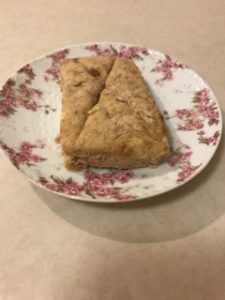
As I mentioned above, I don’t regularly bake stuff like bread or sweets. My supply of brown sugar had dried out, and I didn’t know that was the case until I’d reached that section of the directions. It was slightly challenging to mix that ingredient into the dough thoroughly. The little brown speck you see in the final product was a result of that.
Next time I’ll use fresh brown sugar and won’t have that problem. Raisins might be a nice addition to it as well. Despite my minor problems with the dough, the final product tasted delicious. It is definitely something I’ll be making again.
I know that my tastebuds have changed since I started eating a low sugar diet, but the combination of cinnamon, maple syrup, vanilla, and brown sugar made me think of it as a dessert.
Keep in mind that this isn’t as sweet as a typical dessert, but it does have a sweetness and chewiness to it that made it an appealing snack.
The Lembas bread I made two days ago has been keeping well so far. It honestly tastes even better after it’s had a day or two to rest. I love non-fussy recipes like that.
As for whether or not it will sustain you on a long journey or vex the Smeagols in your life, only time will tell. 😉

 Here is this week’s list of comic strips, poems, and other links from my favourite corners of the web.
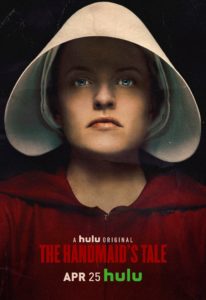 Disclaimer: there are mild spoilers for the book and major spoilers for the first season of The Handmaid’s Tale in this post.
 The other day I learned something surprising about bananas.
 True stories like this one are why I think creative writers – especially those in the speculative fiction genre who are often responsible for creating worlds that are very different from the one we live in – should read books about what life was like decades, centuries, and millennia before they were born.
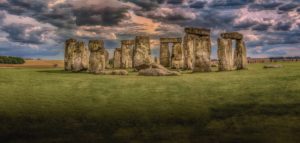 Let’s shift gears and talk about Stonehenge for a moment. When compared to what we know about World War Two (and bananas), our knowledge so far of what purpose Stonehenge was meant to fill, who created it, and why they went through all of the trouble of making it could fit into a thimble.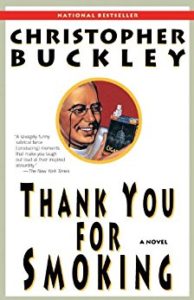
 Here is this week’s list of short stories and other links from my favourite corners of the web.
 As I mentioned above, I don’t regularly bake stuff like bread or sweets. My supply of brown sugar had dried out, and I didn’t know that was the case until I’d reached that section of the directions. It was slightly challenging to mix that ingredient into the dough thoroughly. The little brown speck you see in the final product was a result of that.