Vintage SciFi Month was created by Little Red Reviewer and is moderated by Red Star Reviews. Any science fiction film, short story, play, or book released before 1979 is eligible for this celebration of classic science fiction.
Let’s take a walk down memory lane today.
My family didn’t have cable* for most of my childhood, and there were a few years there when we didn’t own a TV either.
 Many of the shows we watched were old enough to have sold rerun rights to public TV or to channels that could be tuned into if you had a good antenna. This means that my first taste of vintage science fiction might have been a little out of the ordinary for the average kid my age.
I had no idea what The Twilight Zone was when I began watching Time Enough at Last.
All I knew was that I totally understood where Henry Bemis was coming from as he was distracted from reading over and over again as he went through his day.
There’s nothing like being in the middle of a good book only to have to stop and put it down when someone asks you a question, it’s time to eat, or you have some other urgent business to take care of.
Sometimes I’d grab my book, load up on snacks, and go hide underneath a piano or behind the couch so I could finish at least one more chapter without interruption. Bemis tried similar tactics, including taking his lunch hour in the vault at the bank where he worked so he could finally read in peace.
The trouble was, he picked that particular reading spot on the same day something terrible was about to happen to his city that would leave him the sole survivor.
Yes, you’ll have to watch it for yourselves to see what that tragedy was and why he survived.
What I remembered being most fascinated by was his reaction to leaving the vault and discovering his entire world had changed forever. I would have been frightened and yet he seemed oddly relieved. He finally had all of the time he could ever want to read!
If you haven’t seen this episode yet, do give it a shot. The ending was as clever as it was thought provoking. While I do see some plot holes in it that I didn’t notice as a kid, I still enjoyed the process of seeing how Henry reacted to a day in which literally nothing went the way he thought it would.
*We didn’t have Internet access either, but I grew up at a time when that was still common for non-wealthy people who didn’t work in the tech industry.
If you remember what your first taste of vintage science fiction was, tell me about it in the comment section below!




 Have you ever taken a moment to think about how weird the writing process can be?
 Some people might eavesdrop for juicy gossip or to learn things that they know others wouldn’t want them to hear.
 The upside of all of this research is that I’ve studied all sorts of topics that most people with similar backgrounds probably wouldn’t know.
 There’s something about talking to your characters that makes it easier to iron out plans for plot twists or future character development in my experience.
 Sometimes I get so wrapped up in what I’m writing that I forget what time it is.
 Last month I took a two week break from any sort of writing at all.
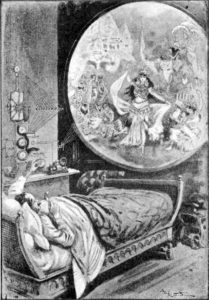




 8. That everyone gets two weeks of paid vacation time to rest and relax after everything that happened in 2020.
 January is the quietest time of year in Ontario.
 Have you ever taken an outdoor walk during or after a big snowstorm? Whether you live in a big city, a small town, or miles away from the nearest neighbour, the world becomes a much quieter place after a storm like that.
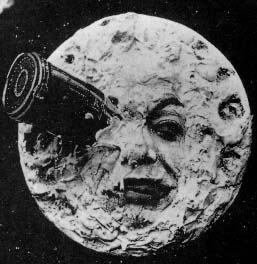 I’d seen this image floating around online for years but never knew the context of it.