Saturday Seven is hosted by Long and Short Reviews.
I’m a pretty quiet person in real life. One of the topics that I always like to talk about with anyone who is interested, though, is food. For example, I might ask you what your favourite food is or talk about a delicious meal I made last week. This week’s list is all about books that gave me cravings when I read them.
1. The Omnivore’s Dilemma: A Natural History of Four Meals by Michael Pollan.
I could almost do an entire Saturday Seven post on Michael Pollan’s books alone. I really appreciate the fact that he takes such a well-rounded approach to figuring out what and how humans should eat from a nutritional, environmental, and cultural perspective. Then you also need to factor in any medical restrictions (diabetes, food allergies, interactions with certain drugs, etc) you might have on what you can eat. The answer won’t be exactly the same for every person or geographical region on Earth. I like the flexibility of that. It makes me hungry! Hehe.
2. Animal, Vegetable, Miracle: A Year of Food Life by Barbara Kingsolver.
Imagine spending an entire year trying to eat nothing but food you’ve either grown or bought from people who lived nearby. It’s not something I could do year-round in Canada without risking vitamin deficiencies from barely having any vegetables or fruit to eat for months on end, but I do follow many of this author’s principles when the weather allows for it. And now I’m craving Ontario-grown strawberries. They’re mouthwateringly delicious, and they’ll be in season in a few short months.
3. Salt: A World History by Mark Kurlansky.
Salt is common and inexpensive now, but it used to be so valuable that it was used as a form of currency. This is the kind of book I’d only recommend to people who are extremely interested in this topic. It wasn’t a light, fluffy read at all, but it did make me crave salty foods like homemade soft pretzels.
4. French Women Don’t Get Fat: The Secret of Eating for Pleasure by Mireille Guiliano.
I loved the common sense messages in this book about moderation, fitting walking and other forms of exercise into your daily routine, and never being afraid to enjoy what you eat. There’s something about this easy-going approach to life that makes me look forward to my next meal regardless of what it happens to be.
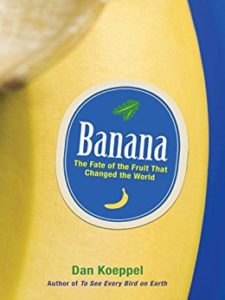
5. Banana: The Fate of the Fruit That Changed the World by Dan Koeppel.
When I first read this a decade ago, I wondered if I’d live to see the day when the Cavendish banana went extinct. It hasn’t happened yet, and I sure hope it never does. Doesn’t the banana on the cover make you wish you could eat a banana right this second? That sure was my reaction to it.
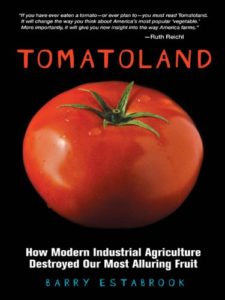
6. Tomatoland: How Modern Industrial Agriculture Destroyed Our Most Alluring Fruit by Barry Estabrook.
This actually made me seek out one of those old-fashioned tomatoes that hadn’t had so much of its flavour bred out of it. It was really good. If only that kind of tomato wasn’t in season for such a short time. I could go for one of them right about now.
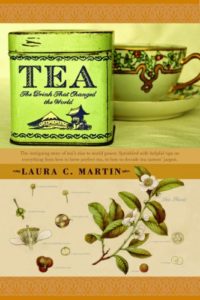
7. Tea: The Drink That Changed the World by Laura C. Martin.
I drink a decent amount of caffeine-free herbal tea, especially during the winter when I want to warm up. If caffeine didn’t make me so jittery, I’d branch out and try more of the teas that this author talked about. They sounded delicious.
Do you read nonfiction books about food or beverages? What are you craving right now?
 As soon as I outgrew the small space between the couch and the cabinet full of books, I moved onto a spot beneath my grandparents’ piano. (Have you noticed the pattern of my early reading years yet?)
 By far my favourite part of attending public school was getting to visit the school library. They had hundreds of books there, and you could check them out as often as you wanted to.
 The best reading years of my childhood began when I was fifteen and we moved away from the countryside and into a small town.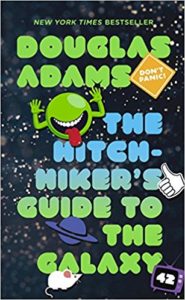

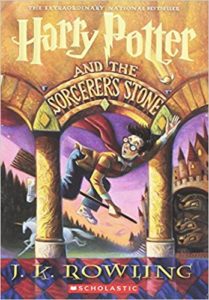

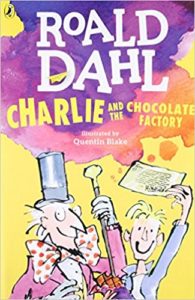
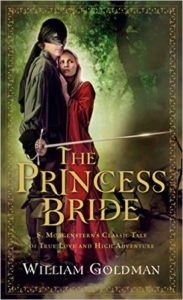
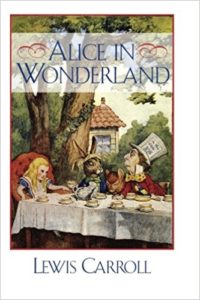
 To give you a concrete example of what I’m talking about, let’s go back to when I was in high school. My eleventh grade English teacher was a kind, generous woman who regularly allowed her students borrow books from her if we wanted something to read for the sheer joy of it.
 The subjective nature of these things isn’t limited to literature, either.
 Have you ever noticed how difficult it is to get a group of people to agree on what a good song should sound like even after you’ve sorted out objective criteria like the quality of the singer’s voice or whether or not they’re singing on key?
 I spend a lot of my time online talking to other people who love to read. Over and over again, I keep running into conversations about stories that someone doesn’t like for any number of reasons but forces themselves to keep reading anyway.
 I may have to write a follow-up post to this post sometime, but not every author or story is going to appeal to every single reader no matter how many times you try to change your opinion of it.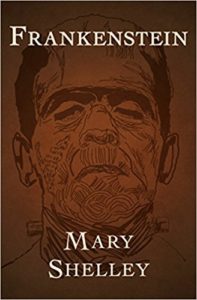

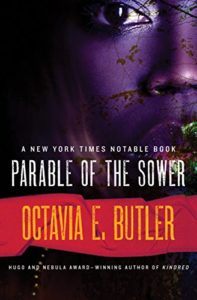

 As I mentioned a year ago in
  Young Adult
  Today’s post is going to be short and sweet.
 I have a confession to share with all of you. I’ve barely read any science fiction and fantasy books recently.
 Last August I blogged about the