Category Archives: Science Fiction and Fantasy

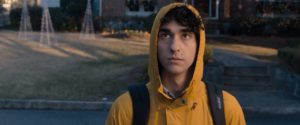
Good Things Come in Small Packages: A Review of Downsizing

Last year I blogged about my to-watch list of science fiction and fantasy films. Since then, I’ve been periodically reviewing science fiction, fantasy, and other speculative fiction films. Previous instalments in this series include Into the Forest, Annihilation, CocoWinchester, The Little Stranger, Astraea, The House with a Clock in Its WallsA Dog’s Purpose, and Jurassic World: Fallen Kingdom.

Content warning: needles, substance abuse, and dental work. I will make a brief reference to the substance abuse but will otherwise steer clear of these topics in my review.

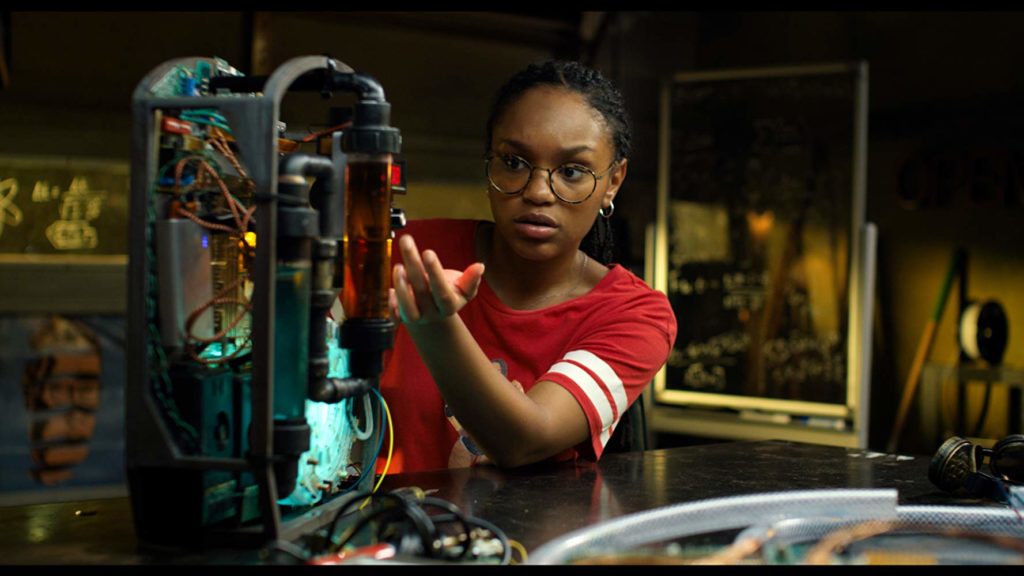
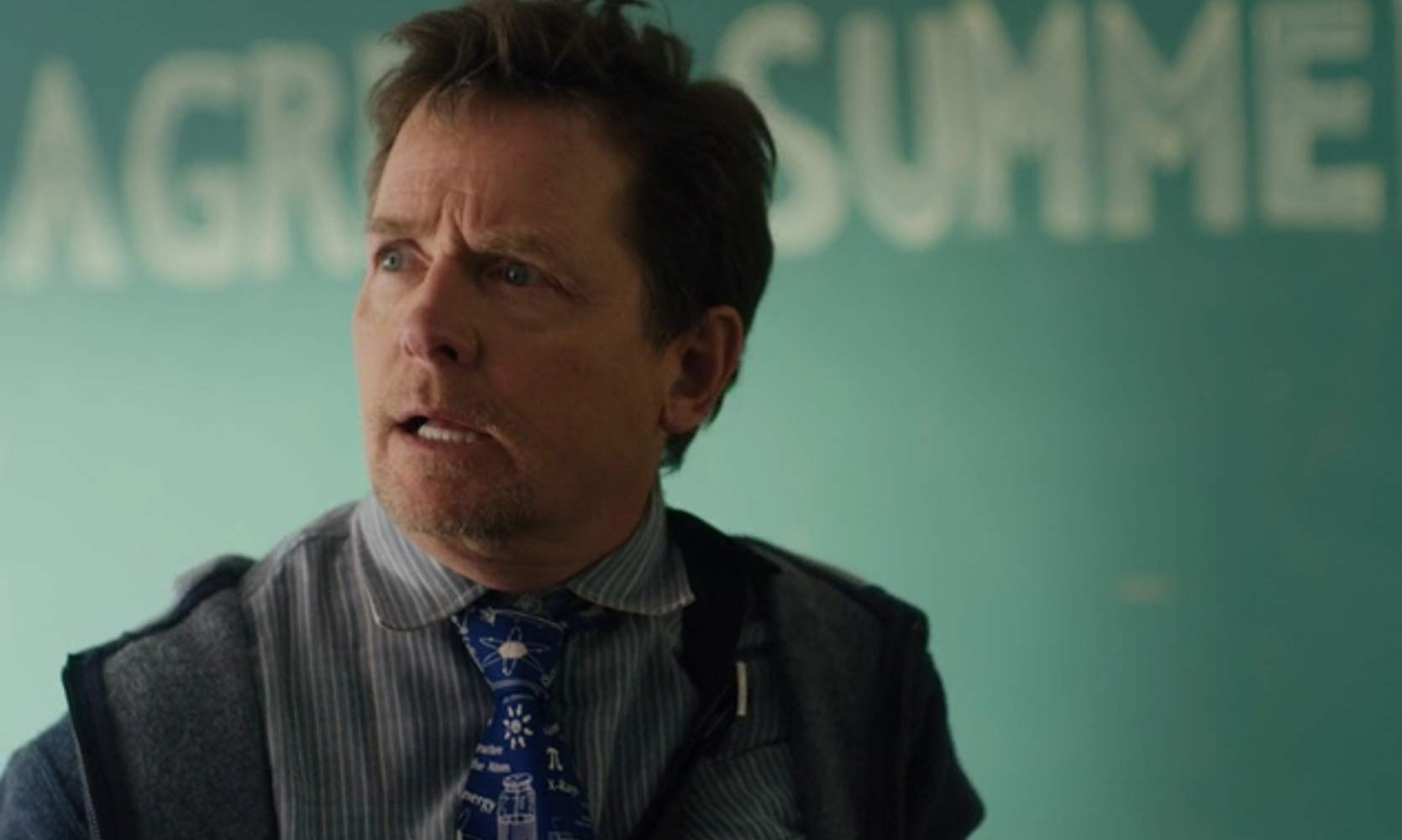
Downsizing is a 2017 science fiction film about a suburban couple who decided to undergo a new medical procedure in order to shrink their bodies to about five inches tall each in order to help the environment and live a more luxurious lifestyle on whatever savings they’d accumulated before being downsized.

Global Solutions was the research institute they turn to in order to make this procedure possible. It was founded in order to use science to make life better for humanity, and the director of this organization was certain he’d found the perfect way to solve human overpopulation and climate change simultaneously.

As always, I will be discussing every character in the past  tense in order to avoid spoilers about what their fates may be. Some of the other films I’ve reviewed here have included character deaths. I stick to this rule in all of my reviews so that I’ll never inadvertently give away any spoilers other than the potentially triggering material I share in my content warnings.

Characters

Matt Damon as Paul Safranek

Matt Damon as Paul Norris Safranek

Paul worked as an occupational therapist for a meat packing plant when this film began. He was committed to helping everyone he met feel as mobile and healthy as possible, although he also worried about falling behind financially speaking when compared to other households.

Kristen Wiig as Audrey Lustig Safranek

Audrey was Paul’s wife. She was a little nervous about being downsized and moving to Leisureland Estates, a community built specifically for five inch tall humans.

Yes, there are reasons why the descriptions of most of the female characters in this post are so sparse. I will discuss that in detail in my review below.


Christoph Waltz as Dusan Mirkovich

Christoph Waltz as Dušan Mirković

Dušan was an outgoing, friendly, and exuberant upstairs neighbour in Leisureland Estates who fully embraced his life as a small person. That is, he was well-known for his  late-night loud parties, substance abuse, and loud music.


Hong Chau as Ngoc Lan Tran

Hong Chau as Ngoc Lan Tran

Ngoc Lan was one of the workers who cleaned the houses of the wealthy people in Leisureland. She had an assertive and sometimes blunt personality that was well explained by her backstory.


Rolf Lassgård as  Dr. Jorgen Asbjørnsen

Rolf Lassgård as  Dr. Jorgen Asbjørnsen


Dr. Asbjørnsen worked for Global Solutions. He was the first scientist to discover how to safely and effectively shrink humans to a fraction of their former size. His wife, Anne-Helene, joined him and 34 other volunteers to be the first humans to undergo this process long before Paul and Audrey signed up for it.

Ingjerd Egeberg as Anne-Helene Asbjørnsen


Anne-Helene was Dr. Asbjørnsen’s wife.


Udo Kier as Konrad

Udo Kier (centre) as Joris Konrad

Joris was Dušan’s companion. Like Dušan, he’d spent many years partying hard and sucking every last moment of joy out of life. There was nothing more important to him than having a good time with likeminded people.


Søren Pilmark as Dr. Andreas Jacobsen

Søren Pilmark as Dr. Andreas Jacobsen


Dr. Jacobsen was the director of Global Solutions. He excelled at putting on presentations for investors and the media in order to bring in more money and hopefully attract new people to the downsizing movement.

Neil Patrick Harris as Jeff Lonowski


Jeff was the Senior Product Specialist at Leisureland Estates.  He and his wife, Laura, did live demonstrations about their lifestyle to convince big people to sign up for the downsizing procedure.

My Review

It took a while to gather my thoughts about this film. There were parts of it I loved and parts of it that made me want to stop watching it altogether.

The trailer for it will make it sound like a comedy. While there were some humorous moments, this was a pretty serious story in general. Climate change is no laughing matter, and the creators hammered that point home clearly. This was actually something I really liked about the plot. It didn’t hesitate to shy away from the serious repercussions humans are going to face as the polar ice caps melt and our weather becomes even more unpredictable.

Shrinking humans to a fraction of their original size was a creative response to this crisis. A human who is less than six inches tall is obviously to need much less food, fuel, clothing, and other supplies to stay alive than one that is six feet tall. While the science behind shrinking someone to such a small size was never really explained, I enjoyed seeing as much of that process as the characters were aware of.

There were a few details about the downsizing procedure and how it worked that never occurred to me. It’s effect on the environment – and the environment’s potential effect on humans that are essentially the size of hamsters – was another part of the storytelling that I thought was really well done. The repercussions of both of those things spread further than I ever would have imagined.

I also liked the fact that the plot spent so much time exploring why downsizing will be the only way humans can hope to survive in the longterm. The scientists had excellent reasons for believing that big humans will die out as a result of climate change. While I was originally expecting something with a faster pace, it was nice to dig so deeply into all of the ways the planet will become uninhabitable for so many different species in coming generations.

What bothered me about this film was the way it treated the female characters. Despite having backstories that were just as, and in some cases far more, interesting than the male characters, the vast majority of them were given much less screen time than their male costars. I still don’t know what Audrey, Anne-Helene, or Laura’s professions, interests, hobbies were. Everything the audience learned about them was somehow connected to the men who married them.

Ngoc Lan’s personality and backstory were developed better, but even she was framed as a love interest despite everything else that was happening in her life that would have made for great storytelling. She had a lot of responsibilities to juggle for reasons I can’t disclose here without wandering into spoiler territory.

It is very odd to take someone whose life is filled with serious problems that have no easy solutions only to reduce all of that beautiful complexity to wondering whether she’s going to fall in love when and with whom the audience wants her to.

If this had happened to one female character who had been longing for a life partner, it wouldn’t have been an issue. The fact that the writers did it with the only woman who had an identity outside of being someone’s wife really rubbed me the wrong way, especially since she didn’t show any interest in romance when we first met her. Her life was so full already that I shuddered at the thought of her having to fall in love in order to live happily ever after.

There is nothing wrong with showing characters falling in love. What bothers me is when films shoehorn characters into that subplot or only show the parts of their lives that have to do with who they’re in a relationship with when none of their male counterparts were treated the same way.

To contrast this complaint, Paul had great character development during the course of this film. He started off as someone who had good intentions but who could be a little oblivious to other people’s perspectives at times. Seeing how he changed as a result of his decision to be downsized was a thrill. He took his experiences to heart and genuinely grew and changed as a result of the things he learned.

While the secondary male characters didn’t show as much development due to the smaller amounts of time they had on stage, they did have some of it. And they were also shown having interests, hobbies, and dreams that had nothing to do with whether or not they were married or had fallen in love.

If only the women in Leisureland Estates had been given the same opportunity.

Downsizing is available on Netflix and Apple TV.

10 Comments

Filed under Science Fiction and Fantasy

Scifi Science That Became Real

This month I’m participating in the Scifi Month challenge that was created by the bloggers at One More

“Science the shit out of this” is today’s theme for Scifi Month.

Old reruns of Star Trek: The Next Generation were my first introduction to technologies and scientific advancements that weren’t yet possible in our world. There were so many parts of that universe I desperately wanted to experience, from the holodecks to the replicators that would make you anything your heart desired for dinner. (It’s possible that 8-year-old me planned to eat nothing but replicated ice cream sundaes for dinner for a whole week if I ever got my hands on that technology!)

I’m still waiting for machines that are capable of these things. In the meantime, though, there are plenty of other science fiction advancements that have been or are becoming real in our world. Let’s talk about a few of them today.

Hyposprays

As someone who has been known to faint after getting a vaccination, I thought hyposprays would be less scary. Alas, my body is just as afraid of needle-less vaccines as it is of the other kind. This is still a cool development for making the workplace safer for doctors and nurses, though!

Medical Tricorders

Beverly Crusher from Star Trek: The Next Generation scanning Counsellor Troi with a medical tricorder.

Star Trek tricorders were used to almost instantly diagnose patients in their medical bay. With a quick scan, medical personnel could have vital scans as well as reports on anything that might be  out of order in someone’s body.

Our tricorders aren’t quite as thorough yet, but some ER docs did invent a device a couple of years ago that can give readings on lung function, blood glucose, white blood cell count, and heart function. This device can diagnose about 30 different conditions with a few quick and painless readings.

Tractor Beams

The device these physicists came up with can reel in tiny particles for distances as long as eight inches. This technology is still in its infancy, but I’m excited to see how it develops in the future.

Artificial Wombs

No, I’m not talking about incubators. As life-saving as they are, they still aren’t capable of doing everything a uterus can do.

This is something that could change in the future. A couple of years ago, scientists put a premature lamb into an artificial womb. It had a pumpless circulatory system which is much easier on the lungs of an undeveloped fetus. They even created an amniotic fluid replacement so that the lamb would be in conditions as close to a normal ewe pregnancy as possible.

The lamb seemed to develop normally, so scientists are now working on creating an artificial womb that could bring premature human babies to full term with far fewer complications than they can experience with today’s methods.

What other items can you think of to add to this list?

10 Comments

Filed under Science Fiction and Fantasy

Protagonists Who Knew How to Make Mischief

Scifi Month banner. Shows #ScifiMonth hashtag and two planets in background.This month I’m participating in the Scifi Month challenge that was created by the bloggers at One More. Click on the link in that last sentence for more information or to sign up yourself. There is still time to pick a few of their prompts and join in if you’re interested.

The prompt for today was “aim to misbehave.” Science fiction is filled to the brim with characters who excel at getting into trouble, so I’m narrowing it down to protagonists (or people close to them) who were mischievous in a positive, humorous way. That is, they never got into the scrapes they do with the intention of harming anyone! It was all done in good fun. 

Bender from Futurama Dancing

Bender from Futurama

Bender was high-tech industrial metalworking robot. Specifically, he was created to bend  structural steel without heating it up first.

Let’s just say that the plan for this robot’s life wasn’t necessarily all that related to who he turned out to be after he left the factory where he was assembled.

Yes, Bender was physically capable of bending just about any physical object you can imagine, but what he was really interested in was bending the rules. Often, he bent them until they broke not out of malice but because he enjoyed seeing how life played out when things don’t go according to schedule.

Humans fascinated and horrified him. He thought he hated them until he met a few special people who changed his mind. Even with his humans of choice, though, he always wanted to know just how far he could push the limits while still making his antics funny.

Luci the demon from Disenchantment lying on the floor saying "I am not a cat." He then stands up and says "Ah, whatever. I'm going to go lay down in the window."

Luci from Disenchantment

Disenchantment is one of those shows that straddles the line between science fiction and fantasy, so I’m including it in this list.  Luci is one of those demons that is far more good than he’d ever care to admit.

Like a cat, he has a strong desire for napping, independence, and not necessarily doing what the humans want him to. When push comes to shove, he’s going to land on the side of the good guys even if it means avoiding that sunbeam and not having that afternoon nap after all.

Just don’t expect him to avoid every mischievous temptation along the way. If there’s a way to get into the amusing kind of trouble while also helping his buddies, he’s going to find it.


Gif description: Bart Simpson shooting a water balloon with the help of a rubber launcher.

Bart Simpson

The only reasonable conclusion I can make about The Simpsons is that it’s set in a science fiction or fantasy world. How else could you explain all of the impossible things that happen in it?

Bart is one of the most mischievous characters I’ve ever met. There barely seems to be a single second of the day that passes by without him plotting his next funny trick.


Gif of Fred and George Weasley saying "wicked."

Fred and George Weasley

If I’d written the Harry Potter series, I would have made Fred and George the protagonists of at least one of the books! They deserved more attention than they got, and I think it would have been hilarious to see all of the hijinks these brothers got into that they maybe never got around to telling Harry about.

For example, I would have loved to see the moment when they first discovered how the Marauders Map works.

Who are your favourite mischievous protagonists or other good guys?

6 Comments

Filed under Science Fiction and Fantasy

Pens Over Swords: the Best Conflict Resolution in Star Trek

This month I’m participating in the Scifi Month challenge that was created by the bloggers at One More. Click on the link in that last sentence for more information or to sign up yourself. There is still time to pick a few of their prompts and join in if you’re interested.

Today’s prompt is “we come in peace.” It was inspired by #WorldHelloDay, a secular holiday that encourages everyone to resolve conflict with good communication instead of by force. As soon as I began researching this holiday, I immediately thought of Star Trek. 

I will only be including references to series in this universe that are no longer releasing new episodes, but there are mild spoilers in this post. It simply wasn’t possible to write this without them.

One of the things I’ve learned from watching various Star Trek series over the years is that a better world is possible. Conflicts can be resolved peacefully. It all starts with learning how to talk about what you want clearly and listening to what other people want, too.

Obviously, I can’t possibly cover every single moment of conflict resolution in Star Trek in this post without turning this into a full-length novel. What I’m hoping to do is highlight my picks for some of the best moments where Star Trek characters used words, whether spoken, written, or sung, to find a solution that worked best for everyone.

Beware of reading anything after this sentence that if you haven’t seen every old Star Trek episode yet and want to catch up without any hints about what is coming at all.

Avery Brooks as Captain Benjamin Sisko in Star Trek: Deep Space Nine. Photo is of Avery smiling while wearing Star Trek uniform.

Captain Sisko’s headshot. 

Series, Season, and Episode: Emissary from Season 1, episodes 1-2 of Star Trek: Deep Space Nine. Although, honestly, the entire Deep Space Nine series is an amazing example of how to resolve conflict, create peace, and get along with people who may have been your enemies just a short while ago.

The Conflict: Captain Benjamin Sisko, a single father and recent widower, was dismayed by the poor condition of the space station he has just arrived to command and of the disrespectful attitudes of some of his new crew. To make matters worse, the person who assigned this posting to him was the same man he blamed for the death of his wife. In these episodes he had to decide whether to stay with Starfleet or resign and find a quiet civilian life for him and his young son.

How It Was Resolved: He had deep conversations with others who helped him acknowledge his grief and see the professional challenges lying before him in a new light. I know this is kind of a vague answer, but seeing how Captain Sisko went from despondent to hopeful was incredible. This is something everyone should experience for themselves without knowing too much in advance about how it all worked out.

Tim Russ as Tuvok in Star Trek Voyager. Photo is of him suffering from pon farr. He is grimacing and his face is covered in perspiration.

Tuvok suffering from pon farr.

Series, Season, and Episode: “Body and Soul” from season 7, espisode 7 of Star Trek: Voyager.

The Conflict: Tuvok was suffering from a chemical imbalance called pon farr that was common in among Vulcans. When the medical bay’s first attempt at treatment failed, they had to resort to other ways to help Tuvok before his condition became fatal.

How It Was Resolved: Through an opera song (and then other remedies, of course).

Doctor sings Opera to Tuvok.


Screenshot from Star Trek: The Original series episode "The Menagerie Part 1." The Enterprise and a planet are in the background of this shot.

Series, Season, and Episode: “The Menagerie” from season 1, episodes 11 and 12 of Star Trek: The Original Series.

The Conflict: The Enterprise received a distress signal from ship that had been lost eighteen years ago. When they arrived at the planet where that ship had crash landed, several members their crew was kidnapped by the people living there.

How It Was Resolved: A trial, among other creative solutions. This episode won the Hugo Award for Best Dramatic Presentation in 1967. I don’t want to give away any other plot twists, but I will say it was quite well done.

Brent Spiner as Data in Star Trek: The Next Generation. He is sitting at table with his fingers laced together.

Data.

Series, Season, and Episode: “The Measure of a Man” from season 1, episode 9 of Star Trek: The Next Generation.

The Conflict: A cyberneticist named Commander Maddox wished to disassemble Data in order to understand how his artificial brain functions and reverse-engineer it to produce replicas of him for Star Fleet to use. Data refused to allow this. When he attempted to leave Star Fleet in order to save himself, a court case developed to determine whether androids should be given the same rights as humans.

How It Was Resolved: A trial. There are a lot of Star Trek episodes that involve trials, now that I think about it!

Patrick Stewart as Captain Picard and John de Lancie as Q

Q and Captain Picard.

Series, Season, and Episode: “Q Who” from season 2, episode 16 of Star Trek: The Next Generation.

The Conflict: There was once an omnipotent entity named Q who was so tired of seeing humans take good care of themselves that he decided to fling their spaceship 7,000 lightyears away just to see what happened next. The problem was, he threw them straight into the path of an enemy who was too powerful to defeat.

How It Was Resolved: Time travel and a large second helping of mischief. What made this episode especially great in my opinion was how much groundwork it set for future conflicts in the Star Trek universe. That’s all I’ll say about that!

If you’re a fan of Star Trek, what are your favourite scenes or episodes from it?

6 Comments

Filed under Science Fiction and Fantasy

My Favourite Scifi Heroines

This month I’m participating in the Scifi Month challenge that was created by the bloggers at One More. Click on the link in that last sentence for more information or to sign up yourself.

There is still time to pick a few of their prompts and join in if you’re interested.

Today’s prompt was pretty self explanatory: kickass heroines. Here are a few of my many favourite heroines from various science fiction universes.  It was tricky to keep this post to a manageable length. I could have easily written a full post about every single character on this list.

Not everything on this list has been turned into a TV show or film yet. (Here’s looking at you, Feed and Wild Seed.) Whenever possible, I provided a photo of the character in question, but there are a few book covers as well.

Jennifer Lawrence as Katniss Everdeen in the film poster for The Hunger Games. She is shooting an arrow straight ahead of her at whoever is looking at the poster.  

Katniss Everdeen from The Hunger Games by Suzanne Collins. 

Why She’s Admirable: She volunteered to take her sister’s place in The Hunger Games despite knowing that only one of the twenty four contestants will survive each year. There were many other things she did in this series that make me look up to her, but her willingness to die in her sibling’s place in the beginning of book one endeared her to me forever.

Book cover for Feed by Mira Grant. Image on it is of an Internet signal painted in blood (or red paint) on a concrete wall.

Georgia Mason from Feed by Mira Grant 

Why She’s Admirable: Going out to wander around in a world filled with zombies is the last thing I’d do in a zombiepocalypse. The fact that this character did that so regularly impressed me. Her work as a blogger only made me look up to her more.

Zoe Saldana as Nyota Uhugra from Star Trek: Into Darkness

Nyota Uhura from Star Trek and Star Trek: Into Darkness

Why She’s Admirable: While I can find something to like about nearly any character from the rebooted Star Trek universe, Uhura is the cream of the crop. She was a highly intelligent linguist. More importantly, she had common sense. This is something that every spaceship crew member needs a copious amount of in order to have any hope of survival.

Gina Torres as Zoe Washburne from Firefly. She's standing by a chair in this photo.

Zoe Washburne from Firefly 

Why She’s Admirable: Nothing stands between her and her goals in life. From fighting for freedom in a war that couldn’t be won to falling in love to making a new life for herself over and over again, Zoe knows how to get back up and try again.

Dana Scully from The X-Files 

Why She’s Admirable: She never stopped searching for scientific explanations for the bizarre things that she and her partner discovered during their many investigations. There’s something to be said for being that tenacious!

Wild Seed by Octavia E. Butler book cover. Image on cover is of woman holding a glowing root.

Anyanwu from Wild Seed by Octavia E. Butler

Why She’s Admirable: What’s not to admire about a demigod who used her powers to make the lives of ordinary people better? Not only that, but she did so quietly and behind the scenes without expecting any sort of reward for it. This was a very different approach to having powers than certain other characters in this universe had, and it made me appreciate how careful she was about using her abilities.

21 Comments

Filed under Science Fiction and Fantasy

Plot Twists I Didn’t See Coming

Scifi Month banner. Shows #ScifiMonth hashtag and two planets in background.This month I’m participating in the Scifi Month challenge that was created by the bloggers at One More. Click on the link in that last sentence for more information or to sign up yourself. There is still time to pick a few of their prompts and join in if you’re interested.

Today’s prompt was “What can possibly go wrong.” The notes for it mentioned plot twists, so that’s the approach I’m taking with this post. 

I’m a little embarrassed to admit that I wasn’t very good at predicting how plots would turn out when I was younger. While this is something I’ve gotten better at over time, there were still some notable moments when I didn’t figure what was going to happen ahead of time despite all of the hints the storytellers threw my way.

Let’s see if I can talk about these films without giving away spoilers. I know most of this stuff came out years ago, but I’d rather let other people discover the plot twists for themselves.

The Sixth Sense film poster. It has five numbers on it. Numbers 1 through 5 are illuminnated and named the five sense. Number 6 on the post shows the outline of a child. No sense is named there. The Sixth Sense (1999) 

The protagonist of this film was a child psychologist named Malcolm whose newest client, Haley, was struggling to open up to him.

There was something strange going on in Haley’s life, but all the boy will say about it is that he sees dead people.

It was up to Malcolm to find out what Haley means by that and why he was so reluctant to go into detail about what’s bothering him.

The foreshadowing was incredibly well done, and there were a lot of hints about what was happening with these characters. I have no idea how I missed the twist in this film the first time I watched it!

Film poster for The Others. Image shows Nicole Kidman holding a glass lamp and staring off into the corner with a fearful expression on her face. The Others (2001)

This is one of my all-time favourite ghost movies. It’s set in 1945 and follows a young mother, Grace, who was raising two special needs children on her own in a large, isolated mansion while her husband was off fighting in World War II.

The children’s health problems made it dangerous for them to be exposed to any form of natural light, so Grace had her hands full looking after them and protecting them from harm. Grace hired a few local people to help her keep the house and grounds running smoothly.

The interesting thing about her new hires was that they dressed like they lived in the late 1800s and seemed to know a lot about her home. There were strange things happening in the house that made Grace’s children wonder if it was haunted. She scoffed at that notion, but her employees had other notions about it.

Once again, this film gave plenty of hints about what was really going on in Grace’s life. I loved the ending, but I also should have seen it coming in advance.

Moon (2009)

Moon film poster. Image on it is of an astronaut wearing a spacesuit and holding his helmet. Unlike the other films in this list, this one didn’t have any paranormal themes.

Sam, the protagonist, was an astronaut who had signed up to spend three years alone mining helium-3, a new source of fuel, on the far side of the moon. He chose this isolated job in order to make money to support his pregnant wife.

A couple of weeks before his term ended, there was an accident. When Sam went out to investigate it, he found something that should have never been possible: another living human being.

That plot twist was the least surprising of them all in this film. I only wish I could discuss the rest without giving away spoilers!

While I did figure out one of the plot twists ahead of time, there were so many more that I didn’t see coming. This is the sort of film I recommend to everyone from hardcore science fiction fans to people who brand new to this genre and hesitant to give it a try. It truly had something for everyone.

What plot twists in films, books, or TV shows did you never see coming?

28 Comments

Filed under Science Fiction and Fantasy

Dystopian Novels Everyone Should Read


Over the course of the next few weeks I will be participating occassionally in the Scifi Month challenge that was created by the bloggers at One More.

Click on the link in that last sentence for more information or to sign up yourself. There is still time to pick a few of their prompts and join in if you’re interested.

Today’s prompt was Future Imperfect. That is we’re supposed to pick something related to dystopian or utopian stories. Therefore, I’ll be talking about some dystopias that everyone who enjoys science fiction should read.

The Lathe of Heaven by Ursula K. Le Guin book cover. Photo shows a mountain and some scrub brush.

The Lathe of Heaven by Ursula K. Le Guin

Why everyone should read it: What could be more frightening than living in a world that was forever altered every time a specific person had a vivid dream? I don’t know about all of you, but my nightmares would be pretty scary if they came true.

Nineteen Eighty-Four by George Orwell book cover. Image is of an eye peering down a hole.

Nineteen Eighty-Four by George Orwell

Why everyone should read it: I try to avoid politics on this site, but this book’s message about totalitarianism is just as relevant now as it was when it was first published.

The Chrysalids by John Wyndham book cover.

The Chrysalids by John Wyndham

Why everyone should read it: If you don’t fear nuclear war yet, this book might make you change your mind about it. The plot is set generations after a nuclear war. Radiation continues to kill people, though, and society’s response to it has changed all sorts of things about the ways in which people live.

Oryx and Crake by Margaret Atwood book cover. Image is of a woman's face and a flower.

Oryx and Crake by Margaret Atwood

Why everyone should read it: Bioengineering is fascinating. The other interesting thing about this book is how few characters it had. Nearly every human on earth had died from a plague when the events of it happened. Many of the animals and plants that humans had tweaked in some way were still alive, so it was like getting to know humanity without meeting many people at all.

The Book of Dave by Will Self book cover. Image on cover is of an etching of a car.

The Book of Dave by Will Self

Why everyone should read it: It’s set five hundred years from now and has amazing plot twists. I first read it at a time in my life when I wasn’t very happy for reasons that seemed almost impossible to fix. Reading about what the future might be like – as dark as that future was –  somehow made me feel better. This book also had some thought-provoking things to say about how we interpret old texts and why it’s so important to take the cultures they came from into context before deciding to base our lives around them.

The Gate to Women's Country by Sheri S. Tepper book cover. Image is of top of a building, a woman standing in profile, and a full moon.

The Gate to Women’s Country by Sheri S. Tepper

Why everyone should read it: One of the reasons why I take long breaks from the dystopian genre has to do with how poorly women are treated in most of them and how strong the assumption is that all women will have awful lives in that setting. This Feminist spin to the genre was a breathe of fresh air.

22 Comments

Filed under Science Fiction and Fantasy

Glimpses of Horror: A Review of Regretfully Invited

Book cover for Regretfully Invited by Jan L. Mayes. There is a skull, books, candles, a quill pen, and a page filled with writing on the cover.Title: Regretfully Invited: 13 Short Horror Stories

Author: Jan L. Mayes

Publisher: Self-Published

Publication Date: 2018

Genres: Science Fiction, Horror, Paranormal, Historical, Contemporary

Length: 86 pages

Source: I received a free copy from Jan.

Rating: 3.5 Stars

Blurb:

Find out the answer to this question and more with this 13 story bundle of creepy, horror micro-stories and flash fiction.

No zombies, vampires, or werewolves.

Delve into disturbingly haunting quick tales of murder, madness, and mayhem. Contained in a menacing atmosphere where all is not right in the world.

Included in this bundle:

Double Vision
Based on real events, where midnight visitors could be sinister or a quirk of vision.

Tubsy & The Trauma of Oz
Based on real life hideously shocking consequences of letting a girl’s favourite dolly perform in the school play.

The Grave of Gelert
Based on a visit to the real Gelert’s Grave in Wales, a tribute to the memory of when hasty deadly action brought sorrow.

Mary Annette
Based on the most terrifying teleporting real life marionette ever rejected by a child.

Tinnitus Study 421: Rotary
A 50 word flash fiction experiment that inspired the optimistic psychopath Doctor Bell.

Regretfully Invited
When an audiologist knows too much about Doctor Bell’s tinnitus cure experiments, he takes an unorthodox approach to eliminating them as a witness.

Disembodied
Inspired by real events where left feet keep washing ashore in the Pacific Northwest, but police have no idea who they belong to or where they came from.

Dreams of Debbie
Based on real events after the death of a sister, when a dream may be more than a dream.

Eye Eclipse
A father uses a rare solar eclipse for revenge, inspired by real events when a bystander videos a fatal accident instead of trying to save the child.

Ladykiller
Based on nightmares of an alien apocalypse, where oversleeping has deadly consequences.

Dad’s Death Bells
Based on real events after the death of a father, who might have ghosted back to give a murderous message or last good-bye.

Cofveve Pie
A Mom’s desperate plan to prevent her daughter’s wedding by serving the fiancé a “special dessert”, inspired by real events and the mystery of what cofveve means.

Napkins
Inspired by a big brother who decides to take things into his own hands to protect his sister from Mother’s abuse, but things don’t turn out exactly as planned.

Review:

Book content warning: Murder, torture, cancer, and death of a pet. 

Sometimes it only takes a moment for someone’s destiny to change.

Since I wasn’t familiar with the legend that “The Grave of Gelert” was based on, I went into it with no pre-conceived ideas of what might happen next. This was one of the shortest tales in this collection, and yet it was also the most satisfying. It had a clear beginning, middle, and ending. The fact that the dog, Gelert, was the only character whose named was mentioned only made me more interested in finding out what happened after the king who owned him noticed that the infant prince was missing.

One of the things I noticed happening over and over again in this anthology were that many stories spent precious little time explaining what was happening in them. While I do understand that flash fiction and very short stories in general need to get straight to the point in order to stick to its word counts, there were several times when I had trouble understanding what happened in a scene or what an ending was supposed to mean because of how briefly everything was described. I loved the concepts behind all of them, but this confusion was what ultimately lead me to choose a lower rating than I would have otherwise gone with. This was something that was most noticeable with “Tinnutitus Study 421: Rotary” and “Tubsy & The Trauma of Oz.”

My favourite tale in this collection was “Dreams of Debbie.” It happened shortly after a woman named Debbie died from an aggressive form of breast cancer. Her grieving relatives were struggling to come to terms with her untimely death, and their healing process was not going well. I deeply enjoyed seeing how the plot developed from this point. It was simultaneously satisfying as well as something that made me desperately wish for a sequel.

If you love being scared senseless, Regretfully Invited: 13 Short Horror Stories may be the perfect book for you.


Leave a Comment

Filed under Science Fiction and Fantasy

An Imperfect Crime: A Review of The Ghosts Inside

Dollar Tales from The Morbid Museum: The Ghosts Inside book cover. There is a fuzzy photo of an amphibious, bidedal creature on this cover. Title: Dollar Tales from The Morbid Museum: The Ghosts Inside

Author: James Pack

Publisher: VaudVil

Publication Date: 2019

Genres: Science Fiction, Horror, Contemporary

Length: 40 pages

Source: I received a free copy from James

Rating: 3.5 Stars

Blurb:

These Dollar Tales feature one or two short stories from the forthcoming collection of fiction by James Pack titled Morbid Museum. This Dollar Tale is called The Ghosts Inside and features the original and extended versions of the story. Go inside the mind of a man who believes he is saving children by ending their lives. Will he kill again or will someone stop him from taking young lives?

Review:

Content warning: child abuse and the murders of children. I will not be discussing these things in my review.

This e-book contains two versions of the same tale. I found the first draft too short for my preferences, so I’ll be reviewing the extended version.

Not every serial killer is an evil genius.

One of the things I liked the most about this story was the fact that the antagonist behaved like an ordinary person. (Well, other than the murders he committed, of course). He wasn’t the strongest, smartest, fastest, or most cunning person around. If not for his awful hobby, he would have struck me as a perfectly average man. That was refreshing.

I found it tricky to keep up with the multiple narrators. It would have worked really nicely in a novella or novel, but the roughly twenty-five pages that the extended version had to work with simply wasn’t enough space for everyone to show the audience who they were and what they were about. Focusing so intently on the killer in the first version was a smarter decision. As much as I enjoyed many of the other changes the author made to the storyline once it was expanded, I do wish this part of it had carried through.

There were so many hints about the killer’s personality that I was able to gently tease out of the things he said and did. It was interesting to figure out what made him tick. While he wasn’t someone I’d ever want to meet on a dark street or anywhere else, I did like the way the author tried to explain why someone would commit such unforgivable crimes. This only became more true as I realized what the killer’s biggest weakness was and why it appeared to be something that he himself wasn’t necessarily aware of. I’ll leave it up to other readers to put these pieces together for themselves, but they did make for a satisfying experience.

Dollar Tales from The Morbid Museum: The Ghosts Inside was much darker than what I typically read. I think it would be best suited for people who enjoy crime fiction or dark science fiction.

2 Comments

Filed under Science Fiction and Fantasy

Surviving the Apocalypse: A Review of Patient Zero

Patient Zero Post Apocalyptic Short Stories book cover. There is a biohazard sign on the cover as well.Title: Patient Zero: Post-Apocalyptic Short Stories (Project Renova #0.5)

Author: Terry Tyler

Publisher: Self-Published

Publication Date: 2017

Genres: Science Fiction, Post-Apocalyptic

Length: 120 pages

Source: I received a free copy from Terry

Rating: 4 Stars

Blurb:

The year is 2024.
A mysterious virus rages around the UK.
Within days, ‘bat fever’ is out of control.
Patient Zero is a collection of nine short stories featuring characters from the post apocalyptic Project Renova series. All stories are completely ‘stand alone’.

1. Jared: The Spare Vial
Jared has two vaccinations against the deadly virus: one for him, one for a friend…

2. Flora: Princess Snowflake
The girl with the perfect life, who believes in her father, the government, Christian charity and happy endings.

3. Jeff: The Prepper
What does a doomsday ‘prepper’ do when there is nothing left to prepare for?

4. Karen: Atonement
She ruined her sister’s last day on earth, and for this she must do penance.

5. Aaron: #NewWorldProblems
Aaron can’t believe his luck; he appears to be immune. But his problems are far from over.

6. Ruby: Money To Burn
Eager to escape from her drug dealer boyfriend’s lifestyle, Ruby sets off with a bag filled with cash.

7. Meg: The Prison Guard’s Wife
Meg waits for her husband to arrive home from work. And waits…

8. Evie: Patient Zero
Boyfriend Nick neglects her. This Sunday will be the last time she puts up with it. The very last time.

9. Martin: This Life
Life after life has taught the sixty year old journalist to see the bigger picture.

Review

Review:

Content warning: death. This will otherwise be a spoiler-free post.

It’s impossible to get away from an invisible foe that has spread everywhere.

Normally, I pick about three short stories in an anthology and do mini-review for all of them. This time I decided to shake things up since everything in this collection has the same setting. The characters change, but the effects of the Kerivoula Lanosa (bat fever) virus are felt by everyone in this world.

The character development was well done across the board. Each character had a limited amount of time to show the audience who he or she was due to how everything was formatted, so I was impressed by how well I got to know everyone. Their unique personalities shone through no matter how many or how few pages they had to share their experiences. While I can’t say that I’d necessarily want to be buddies with everyone in this universe, I did want to learn more about all of them. They were all genuinely interesting folks, and that’s something I always love discovering in a book.

While I didn’t expect to have every question of mine answered neatly, especially since I haven’t read the rest of this series yet, I would have liked to see a little more attention paid to the final story. Martin: This Life had a tone that was nothing like anything else I’d read earlier. It also introduced a plot twist that had not been so much as hinted at in any of the other stories. In fact, it seemed to change the genre classification entirely. I was intrigued by this surprise, but I also wish it had been explained a little better.

With that being said, I still enjoyed this collection and would recommend it to new and longterm fans of Ms. Tyler’s work alike. It left me with so many questions about what happened next in this universe that I can’t wait to read everything else about these characters and the plague they tried to survive.

This anthology is part of the Project Renova series, but it can be read as a standalone work.

2 Comments

Filed under Science Fiction and Fantasy