
Hosted by Long and Short Reviews.
Click here to read everyone else’s replies to this week’s question and here to see the full list of topics for the year.
 One type of Canadian food I haven’t tried yet is Saskatoon berry pie, but I’d bet it will be amazing once I find a dairy-free version or recipe for it someday Everything else on this list is something I have eaten at least once.
I can’t possibly know what everyone has or hasn’t already tasted, so Wikipedia links are included in this post if anything I described is unfamiliar to you or you’d like to know more about them.
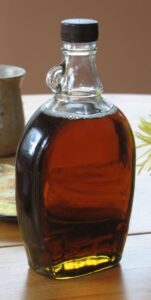
Maple syrup is at the top of my list for this topic because Southern Ontario is excellent at making it and it’s one of those foods that people buy here to give as gifts elsewhere. I know it’s collected in many other places on Earth, too, so I hope you all have had a chance to taste it if you wish to.
Poutine is delicious as well. You may not think that French fries, gravy, and cheese (or, in my case, vegan cheese) would go so well together, but they’re delicious. I prefer to add a few tablespoons of chopped green peppers for added flavour, although it’s not a traditional topping per se.
Butter tarts are something I wasn’t able to try until I finally found a bakery that makes a dairy-free version of them. Thank goodness for vegan and allergy-aware bakers is all I can say! They are an incredibly rich dessert that I adore, and I recommend them as well.
Peameal bacon sandwiches are a delicious lunch due to how rich and savoury this type of meat is. They’re typically served on the same sort of bun you might use for hamburger or veggie burger meat. I like to put some honey mustard on mine, but they’re good plain as well.
Nanaimo bars took some getting used to due to my dislike of shredded coconut, but they’re otherwise wonderfully fudgy and sweet.
Split pea soup is actually something my parents made on occasion when I was growing up in the United States. I didn’t realize there was a French version from Quebec, too, until I moved up here.
Finally, beaver tails are a classic Canadian treat. It’s a flat pastry that’s fried and then covered in toppings that range from a simple cinnamon and sugar to chopped up pieces of well-known candy or candy bars and copious amounts of icing. They are also teeth-achingly sweet, so you may want to consider splitting one with a friend or relative as a little bit can go a long way.

 Here are some books I’d recommend reading if you’re interested in learning more about Canadian history.
 My perfect weekend getaway would happen on Prince Edward Island.
 The possibilities are endless, and I’d relish any of them.
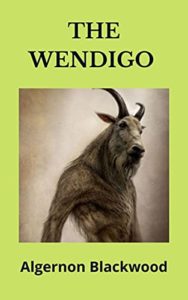 Title: The Wendigo
 That is the sum total of my celebrity experiences. I tend to avoid celebrity culture and take an alternate route if I see paparazzi clogging up a sidewalk here in Toronto, but I hope everyone who is into that sort of stuff has plenty of opportunities to rub elbows with celebrities if they so desire to.
 Title: The Ursus Versus
 The Lady in Red